Ahmad Shahvary. Ahmad Shahvary. 109 Rubais of Umar Khayyam.. 2018. 169 pages.
You can buy this book in PDF format for 1 US dollars and 70 cents by paying through PayPal to a_shahvary@yahoo.com. The purchased book will be sent to the buyer by email. Therefore, after paying the price of the book, please notify the subject via email at a_shahvary@yahoo.com so that your book can be sent as soon as possible.
Ahmad Shahvary. Murder in Cold Blood How the Murder of Major General Mahmoud Afshartous Paved the Way for the Success of the CIA Coup in Iran 2024. 228 pages.
You can buy this book in PDF format for 2 US dollars and 20 cents by paying through PayPal to a_shahvary@yahoo.com. The purchased book will be sent to the buyer by email. Therefore, after paying the price of the book, please notify the subject via email at a_shahvary@yahoo.com so that your book can be sent as soon as possible.
Coup d’état (7) Table of Content Title Page Preface 5 Introduction 9 Background to the Afshartous murder: Organization of National Officer 17 Chronology of Events Leading to the Murder of General Mahmoud Afshartous 25 The Hague Court Ruling on July 22, 1952 101 Military Governor’s announcement that was published on Thursday, May 7, 1953, regarding the kidnapping and killing of Major General Afshartous 103 Shah and the Murder of Afshartous 109 Biography and Career of Mahmoud Afshartous 111 Documentary account of the abduction and murder of Major General Mahmoud Afshartous 115 The Role of the U.S. and U.K. in the Murder of the Iranian Police Chief 125 The February 28, 1953 Conspiracy and the National Officers Organization 129 Explanation and Elaboration of Some Key Points 135 Notes: 147 Sources 191 Sourceology 197 Gallery 203 Author of the Book 211
احمد شه وری. شرح واژه پیر در دیوان حافظ . 151 صفحه. 2002/1381
این کتاب را می توانید بصورت PDF به بهای 1 دلار و 50 سنت امریکا از طریق پرداخت به Paypal به نامa_shahvary@yahoo.comخریداری نمایید. کتاب خریداری شده برای خریدار وسیله ایمیل فرستاده خواهد شد. لذا خواهشمند است پس از پرداخت بهای کتاب موضوع را از طریق ایمیلa_shahvary@yahoo.comاعلام فرمائید تا کتاب شما در اولین فرصت ارسال گردد.
توطئه قتل سر لشکر افشارطوس رئیس شهربانی کل ایران در اردیبهشت 1332
محمود افشارطوس پسر حسینخان شبلالسلطنه بود. شبلالسلطنه برادر مادری محمدقلی خان مجدالدوله بود. محمدقلی خان مجدالدوله پسردایی ناصرالدینشاه بود. به اینترتیب میتوان شبلالسلطنه، پدر محمود افشارطوس را جزو رجال دوره ناصری به حساب آورد[1].
محمود افشارطوس متولد سال 1286 در تهران، پس از انجام تحصیلات ابتدایی و متوسطه وارد دانشکده افسری شد و پس از طی مراحل نظامی با درجه سرگردی به اداره املاک پهلوی که زیر نظر کریم آقا بوذرجمهری اداره میشد منتقل و به ریاست املاک اختصاصی در شمال منصوب شد.
او در سال 1330 درجه سرتیپی گرفت و چون با خانواده بیات و مصدق قرابت سببی داشت، مورد توجه مصدق واقع شد و در اوایل 1331 به جای سرتیپ زنگنه، فرماندار نظامی تهران گردید. چند ماهی در این سمت بود تا این که در اوایل بهمن 1331 به جای سرتیپ کمال به ریاست شهربانی کل کشور منصوب شد. داو در همان سال به اتفاق جمعی از افسران طرفدار نهضت ملی، گروهی به نام افسران ملی تشکیل دادند. افشارطوس در آن موقع در خنثیسازی توطئههای مخالفین دولت مصدق نقش اساسی ایفا نمود.
سرتیپ افشارطوس در سمت رئیس کل شهربانی ایران در 31 فروردین 1332 ربوده شد و جنجال سیاسی بزرگی در کشور برپا گردید. تمام دستگاهها به تلاش افتادند تا او را پیدا کنند. سرانجام پس از شش روز جنازهاش در تپههای تِلُو کشف شد … افشارطوس پس از کشته شدن در توطئۀ دربار و امیران و افسران اخراجی و تصفیه شده ارتش و شهربانی به درجه سرلشکری ارتقاء یافت و جنازهاش با مراسم باشکوه خاصی دفن گردید و مجلس ختم مجللی از طرف دولت برگزار شد. افشارطوس افسری خشن، جبار، متهور، اما در عین حال درستکار بود.
چگونگی تکوین توطئه قتل افشارطوس در روز چهارشنبه دوم اردیبهشت 1332
در این روز حسین خطیبی به سرتیپ نصرالله زاهدی اطلاع داد که لازم است کسانی که در ربودن افشارطوس و انتقال او به غاری در کوههای لشکرک مشارکت داشتند برای صرف نهار و مذاکره به منزل مظفر بقایی بیایند. سرتیپ نصرالله زاهدی نیز به سرتیپ بایندر و سرتیپ مزینی اطلاع میدهد که باید به منزل بقایی بروند. آنها هم به منزل بقایی رفته و در آنجا با خطیبی مذاکره می کنند. خطیبی ضمن مذاکرات میگوید اوراقی از جیب تیمسار افشار طوس کشف شده که حاکی از آن است که مشارالیه میخواسته است تمام شماها را ترور کند و کودتا نماید. در این یادداشتها نوشته شده که آقای جهانگیر تفضلی در ماه هزار تومان از شهربانی پول میگیرد و … خلاصه اینکه از این حرف ها بسیار گفت. ولی همین که نامبردگان یادداشتها را از خطیبی مطالبه می کنند او پاسخ میدهد که یادداشتها نزد مظفر بقایی در محلی محفوظ است و دنباله حرف های خود را می گیرد و اضافه می کند که با این تفاصیل چنانچه سرتیپ افشارطوس زنده بماند، همه ماها را از بین خواهد برد و هیچ کدام باقی نخواهیم بود و باید دستور داد تا او را از بین ببرند و بقایی هم همین عقیده را دارد. خطیبی برای ترغیب و تهییج احساسات نصرالله زاهدی و بایندر و سایرین به قتل تیمسار افشارطوس و کسب موافقت آنها، مخصوصاً تحت تاثیر قرار دادن نصرالله زاهدی که با سرلشکر فضل الله زاهدی قوم و خویش بود، چون میدانست که او علاقه زیادی به فضل الله زاهدی دارد، وانمود میکرد که اوضاع به زیان سرلشکر زاهدی است. در اثنا این مذاکرات، مظفر بقایی وارد میشود و سرتیپ منزه به دکتر بقایی میگوید آقای خطیبی اظهار میدارد که بایستی تیمسار افشارطوس را از بین برد، شما هم به این عمل موافقید؟ دکتر بقایی در پاسخ علاوه بر تصدیق، تائید هم میکند و میگوید چون نگاهداری سرتیپ افشارطوس مشکل است بهترین راه از بین بردن اوست.
با پایان یافتن مذاکرات و صرف نهار، نامبردگان از منزل دکتر بقایی خارج و به منزل سرتیپ مزینی میروند و در آنجا به مذاکرات خود ادامه می دهند و میگویند که این دامی بوده است که بقایی و خطیبی برای اجرای نقشه خودشان کشیدهاند و ما هم گرفتار شدهایم و بالاخره تصمیم میگیرند که سرتیپ مزینی برای انجام مأموریت خود یعنی ابلاغ دستور کشتن تیمسار افشارطوس به محافظین او همراه سرتیپ بایندر و سرتیپ منزه به محل اختفای او عزیمت نمایند. پس هر سه نفر دنبال انجام این مأموریت می روند و به محافظین افشارطوس ابلاغ می نمایند که بایستی افشارطوس را کشت.
سرگرد بلوچ قرایی با گرفتن پیغام مزینی شبانه افشارطوس و دو نفر محافظ را از خواب بیدار کرده و به عنوان این که میخواهیم به شهر برویم، پاهای افشارطوس را باز و او را از غار خارج و به زمین مسطح پایین غار می برد و او را در آنجا به زمین می گذارد، مجدداً پاهای او را می بندد و دستمال به دهان وی فرو میکند و دستمال دیگری هم به روی دهان او می گذارد و دستمال دیگری را هم که روی چشم افشارطوس از موقع دستگیری بسته بودند، پایین می کشد و به دماغ او بندد و ً قبل از بستن دماغ به افشار قاسملو دستور داد که دستمالی دیگر آلوده به اتر را جلوی دماغ او بگیرد و افشار قاسملو هم این عمل را انجام داد و بعد از ارتکاب و طی این اعمال، سرگرد بلوچ طناب را به گردن افشارطوس می پیچد و یکسر آن را خود او و سر دیگر طناب را ظاهراً کدخدای ده آنقدر می کشند تا افشارطوس خفه می شود. سپس سرگرد بلوچ و افشار قاسملو جسد افشارطوس را می برند پای گودالی که قبلاً احمد بلوچ کنده و حاضر کرده بود می گذارند و چون گودال به قامت افشارطوس نبود با لگد روی صورت و بدن او میزنند تا در گودال جای بگیرد و بعد کدخدا و احمد بلوچ و افشار قاسملو روی جسد خاک میریزند و پس از فراغت از این جنایت به شهر مراجعت میکنند[2]».
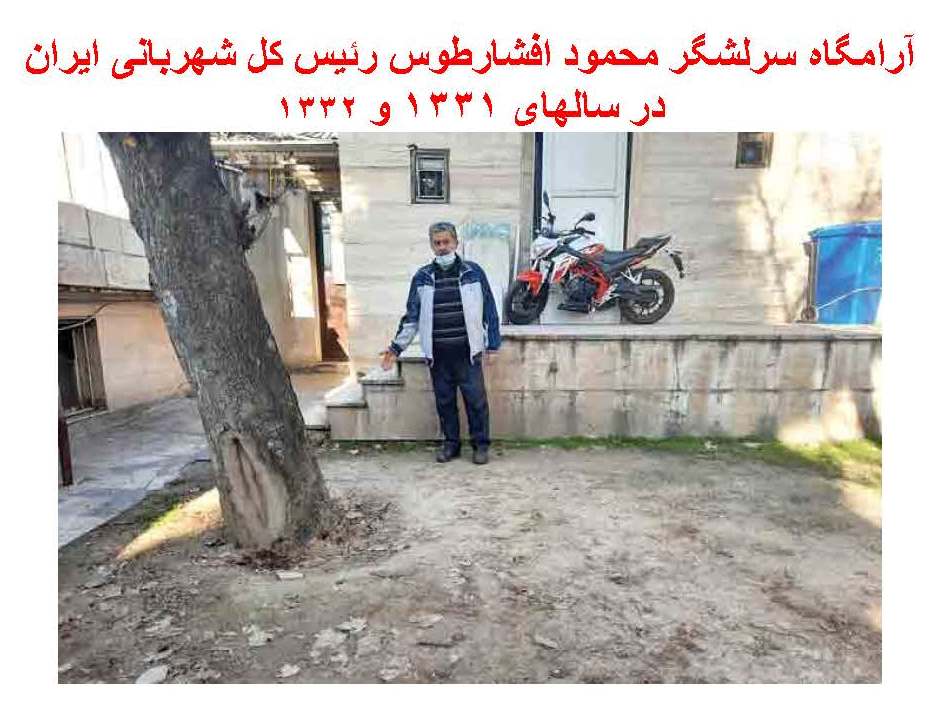
آرامگاه سرلشکر محمود افشارطوس
در گذر از کوچه های شمیران، تاریخ ورق میخورد. اینجا در گوشهای از بیمارستان تجریش، کمی جلوتر از کیوسک نگهبانی، مردی آرمیده که گره ماجرای کشته شدنش هنوز تمام و کمال باز نشده است. سنگ قبری هم ندارد. ولی قدیمیهای شمیران و تاریخپژوهان به خوبی میدانند که قبل از اینکه گورستان قدیمی تجریش جای خود را به بیمارستان بدهد، «محمود افشار طوس» اینجا به خاک سپرده شد. او رئیس شهربانی مصدق بود که با هدف سرنگونی دولت مصدق، به طرز فجیعی در یک توطئه کشته شد و جنازهاش پس از شش روز در غار تلو در لشکرک پیدا شد.
O saqi[1], bring around the cup and put it to my lips
As love seemed easy at first, but later ends in hardships
So sweet perfume the morning breeze unlocks those beautiful locks
From her twisted, musk-diffusing hair, many hearts to shreds strips.
Stain your prayer mat with wine if the elder Magi tells you to do,
As the Salik[2] is not ignorant of the customs and rules of the stages[3]
How can I feel secure in the abode of the Beloved when at every moment,
The call of the caravan bell cries out we continue our trips.
The dark night, the fear of the waves, and such a terrifying whirlpool
Those at ease on the shore how may know what we are?
All my affairs, driven by my own desires, have brought me to disgrace indeed,
How can a secret remain veiled, if from every tongue it drips?
O Hafez, if thou desire presence, do not be absentia,
Whenever you meet the one you love, leave the whole world behind
[1] – Saqi refers to the cupbearer or wine server in Persian poetry, often symbolizing a figure who serves wine and brings joy or inspiration. The Saqi is a spiritual or mystical metaphor, representing someone who awakens the soul, offers divine intoxication, or provides spiritual ecstasy. In Sufi literature, the Saqi can also signify divine grace or the beloved who nourishes the heart and soul.
[3] – this line, suggests that a true seeker or spiritual traveler understands the journey’s requirements, trials, and etiquettes, emphasizing wisdom and awareness in the spiritual or mystical quest.
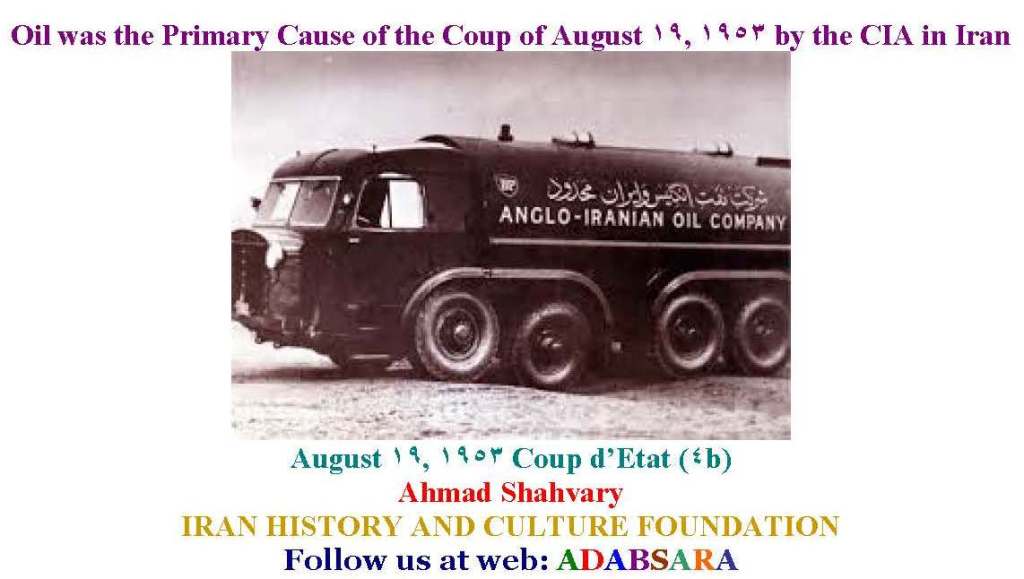
Ahmad Shahvary. Oil was the Primary Cause of the Coup of August 19, 1953 by the CIA in Iran
2024. 415 pages.
You can buy this book in PDF format for 4 US dollars by paying through PayPal to a_shahvary@yahoo.com. The purchased book will be sent to the buyer by email. Therefore, after paying the price of the book, please notify the subject via email a_shahvary@yahoo.com so that your book can be sent as soon as possible.
Coup d’état (4b)
Table of Content
Title Page
Preface 5
Chronology of Oil in Iran 9
Chronology of Coup 23
Historical explanation of the effects of oil in
American foreign policy 1850 – 1954 57
The comprehensive presence of England in Iran
after the First World War 65
Oil and those problems that created for Iran 75
Coup d’Etat of 1299/1921 93
1919 agreement 107
British Domination and Exploitation in the era
of Reza Mirpanj 113
Importance of Iran and its oil for the United States 121
Nationalization of the oil industry in Iran 123
The coup d’état on 19 August 1953 and the
US oil companies sitting on the Iranian oil table 127
Mossadiq’s role in nationalization and coup 135
The event of July 21, 1952 141
Anglo-Iranian Oil Company 143
England’s position against the nationalization of
Iran’s oil industry 145
America’s position regarding the nationalization of
On August 14, 1953, according to the CIA’s plan known as TP-Ajax to overthrow Mossadiq’s government, the Shah signed two decrees: one dismissing Mossadiq as Prime Minister and the other appointing General Zahedi in his place. Colonel Nassiri, head of the Shah’s Guard, was tasked with surrounding Mossadiq’s residence, delivering the decree to him, and arresting him. Forces from the Guard also detained several of Mossadiq’s ministers, including Fatemi, the Deputy Prime Minister and Foreign Minister; Haghnass, the Minister of Transportation; and Zirakzadeh, a parliamentary representative and one of the leaders of the Iran Party. Meanwhile, groups of military personnel occupied the central telephone office in the Bazaar, severing communications. Mossadiq became aware of the plot through his Tudeh Party officers network, which included Nour-Eddin Kianouri, a key Tudeh figure and Mossadiq’s relative by marriage.
The arrest team also targeted the Army Chief of Staff, breaking into General Riahi’s house, exchanging gunfire with guards, and succeeding in arresting Dr. Fatemi, Engineer Haghshenass, and Engineer Zirakzadeh. The Prime Minister was informed of the events by two women who observed Fatemi inside an army jeep under arrest. Due to General Riahi’s absence from the Joint Chiefs’ Headquarters, the team failed to detain him. Meanwhile, Colonel Kiani, General Riahi’s deputy, was apprehended by Guard officers at Bagh-i-Shah, where he had come to conduct an inspection. The detainees were taken to Saadabad Palace and imprisoned there. At midnight, Colonel Nassiri attempted to deliver the Shah’s order and arrest Mossadiq at his residence, but the Prime Minister’s security forces, led by Colonel Momtaz and Captain Fesharki, detained Nassiri and disarmed his forces.
The following day, Mossadiq issued a brief statement announcing the discovery and thwarting of a coup against his government but made no mention of the Shah’s decree/farman. Upon learning of the coup’s failure, the Shah fled from Ramsar to Baghdad. Following reports of the Shah’s departure from Iran and his arrival in Baghdad, Hussein Fatemi ordered Iranian embassies, including the one in Baghdad, to oppose the Shah. From this day onward, Tudeh Party forces began creating disturbances in Tehran.
On August 17, both major groups—the Tudeh Party and the National Front—held fervent anti-Shah rallies. At the National Front rally in Baharestan, Mossadiq’s allies, such as Fatemi and Allahyar Saleh, harshly criticized the Shah in an unprecedented manner despite Mossadiq’s absence. In the editorial of Bakhtar-i Emrouz, Fatemi accused the Shah of treason. That day, to prevent further disorder by Tudeh members, government agents, and National Front supporters, posing as protesters and vandals under Mossadiq’s instruction, removed the statues of the Shah and his father from city squares, as acknowledged by Mossadiq in military court. He asserted that this action was to prevent saboteurs from damaging the statues so that, upon the Shah’s return, they could be restored, indicating that the events of those four days had followed a pre-arranged scenario, with Mossadiq assured of the Shah’s return and the continuity of his monarchy.
Due to the escalating unrest on August 17 and 18, Mossadiq instructed General Modabber, head of the police, to suppress any anti-government or anti-Shah demonstrations. In light of the Shah’s absence, Mossadiq’s government considered establishing a Regency Council to manage the country’s affairs in Mohammad Reza Pahlavi’s absence, ensuring the monarchy continued as before.
On August 18, U.S. Ambassador Henderson returned to Tehran on a military plane[1] and delivered an ultimatum to Mossadiq, warning that if he allied with the Tudeh Party, the United States would no longer recognize his government; which meant that up to that day Mossadiq was regarded as prime minister and the Ambassador do not recognize the decrees of Shah for dismissing Mosadeq and installing Zaherdi as new prime minister. Mossadiq assured Henderson that he had control over the situation, which bears much reflection, and he would never allow the Tudeh Party to incite chaos. In response to the American ambassador’s inquiry about his stance on the Shah, Mossadiq stated, “Today, I have issued strict orders to prosecute anyone speaking of a republic, as we intend to request his imperial majesty, the Shah, to return to Iran as soon as possible, since regime change would not lead to the nation’s progress.”
The Coup of August 19, 1953
On August 19, 1953, another move against the government took place, which ultimately led to the overthrow of Mossadiq’s administration. According to CIA operative Kermit Roosevelt in his book Countercoup, he instigated the coup by bribing certain clerics and paying off soldiers, vagrants, and thugs to take to the streets. U.S. embassy vehicles in Tehran transported Royal Guard troops and soldiers to Mossadiq’s residence, distributing dollars to incentivize those involved in the coup, ensuring a success that had previously failed on August 16.
Around 8:00 a.m. on August 19, a crowd of approximately three thousand men armed with clubs gathered in the southern part of the city, protesting against Mossadiq and voicing support for the Shah. They chanted slogans like “Long live the Shah” and “Death to the traitor Mossadiq.” Today, it is widely known that many of these men were hired for this purpose; the crowd included many unemployed people and well-known thugs. The police chief, who had already been bribed, instructed his officers not to interfere with the demonstrations. Part of the crowd moved toward the Bazaar, threatening to loot shops, which immediately caused the merchants to close down. As time passed, the crowd grew, and some ordinary Tehranis, disillusioned with Mossadiq’s government, particularly its recent support for the Tudeh Party, joined the protests. Soon, trucks and buses that had been rented since early morning began transporting demonstrators across the city, where they would shout slogans, inciting public anger and rallying support for the Shah.
It quickly became evident that the police were supporting the protests and, in some cases, even directing the crowds. Mossadiq immediately dismissed the police chief and ordered his arrest. He also instructed the army to deploy tanks and armored vehicles to disperse the crowds. However, the orders were not obeyed immediately, and by the time they were executed hours later, the protesters had easily convinced the arriving soldiers to join them in support of the Shah. Between 9:00 a.m. and noon, the demonstrators attacked and burned down the headquarters of three pro-government political parties and the offices of six newspapers supporting Mossadiq. The crowd then turned to the Tudeh Party newspapers’ offices, which initially resisted but were soon overcome.
The demonstrators also assaulted the prison, where they freed Shaban Jafari (known as “Shaban the Brainless”), who had been imprisoned since March 9, 1953, for attempting to assassinate Mossadiq. The crowd occupied the radio station, and after several hours of unprecedented silence on Iranian radio, Mehdi Mirashrafi, a parliamentarian, and Mostafa Kashani, son of Aboulqasim Kashani, along with other anti-Mossadiq and pro-Shah parliamentarians, such as Ahmad Faramarzi, delivered speeches in support of Zahedi. Zahedi then read the decree appointing him as Prime Minister.
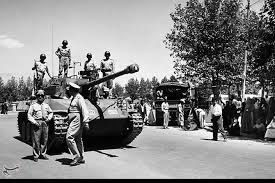
Next, the crowd moved toward Mossadiq’s house, which served as the Prime Minister’s residence. The initial attack by civilians was repelled by machine gun fire. A second attack, this time with the support of pro-Zahedi soldiers, was also unsuccessful. Heavy Sherman tanks eventually arrived, bombarding the house, and by around 6:00 p.m., the guards defending the Prime Minister’s residence were overpowered, and the house was destroyed. The assailants managed to enter and loot everything inside before setting the building on fire. The neighboring house, which belonged to Mossadiq’s son, suffered the same fate. By evening, the remaining prisoners detained during the August 16 coup attempt and those accused of plotting to assassinate Mossadiq on March 9 were freed, and General Zahedi took power.
According to Saeed Hekmat, head of the Forensic Medicine Department, the coup resulted in 41 deaths and 75 injuries. On this day, the Shah was in Rome, Italy. According to his wife, Soraya[2], he was considering purchasing a house there, assuming he might remain in exile. However, upon learning of Mossadiq’s fall, Zahedi’s assumption of power, and receiving telegrams of support from Abulqasim Kashani and Mohammad Behbahani, he was informed of the successful coup.
On August 20, Mossadiq and most of his allies surrendered to General Zahedi at the Officers’ Club, where Zahedi warmly and cordially welcomed him.
CIA’s Organization of the Coup
According to classified documents released by the Central Intelligence Agency (CIA) in August 2013, the agency admitted to playing a role in the August 19, 1953, coup against Mossadiq’s government. In the preface of one of these newly released documents, a 1954 report, the CIA states: “By late 1952, it was clear that the Mossadiq government would not reach an oil agreement with Western countries that had interests in Iran.” The document further states: “The goal of Operation Ajax was to overthrow Mohammad Mossadiq’s government, restore the Shah’s prestige and power, and replace Mossadiq’s administration with one that would govern Iran in a constructive manner.” The document also notes that the coup aimed to establish a government that Western powers could negotiate with regarding oil markets. In March 1953, the U.S. State Department asked the CIA to explore the feasibility of ousting Mossadiq’s government through covert operations. The CIA’s assessment concluded that such an operation was possible. Subsequently, it was decided that the CIA would collaborate with the British Secret Intelligence Service (SIS, known as MI6) to carry out the overthrow of Mossadiq. Kermit Roosevelt, head of the CIA’s Near East and Africa Division of the CIA, who had organized a coup against King Farouk in Egypt a year earlier, first met with Roger Goiran, head of the CIA station in Iran, along with two other intelligence officers in Beirut. Then, on June 14, 1953, Roosevelt presented the coup plan to the British Secret Intelligence Service.
[1] – مملکت آنقدر بی در و پیکر بوده که یک هواپیمای نظامی امریکایی می توانسته براحتی در فرودگاه تهران بزمین بنشیند؟ یا اینکه با اجازه مصدق این کار صورت گرفته بود؟
[2] – موضوع کودتا آنچنان محرمانه بوده است که ثریا اسفندیاری هم محرم راز نبوده است. زیرا عصر روزی که محمد رضا پهلوی و ثریا به روم وارد می شوند در هنگام صرف عصرانه یا شام در هتل آمباسادور روم، ثریا به او می گوید که من بخاطر این با تو ازدواج کردم که شاه بودی، حالا که دیگر شاه نیستی، پس بای بای!
(زادهٔ ۲۹ اردیبهشت ۱۲۵۸ یا ۲۶ خرداد ۱۲۶۱ (طبق محاسبه برخی مورخین) – ۱۴ اسفند ۱۳۴۵) پدرش میرزا هدایت الله، وزارت دفتر استیفا را عهدهدار بود و پس از مرگش این شغل به فرزندش محمد که در آن 9 سال داشت، رسید!. در سال ۱۲۸۰، مصدق ۱۹ ساله با زهرا دختر میرزا زین العابدین تهرانی، که اسماعیل رائین او را اولین روحانی و امام جمعه تهران می داند که به عضویت فراموشخانه درآمد، ازدواج کرد. زهرا ابتدا ملقب به شمسالسلطنه بود. پس از مرگ مادرش که دختر ناصرالدین شاه بود و لقب ضیاءالسلطنه داشت، این لقب به زهرا داده شد.
سرآغاز جنبش نفت
در سال 1322، که انتخابات دوره چهاردهم مجلس شورای ملی آغاز شد، مصدق دوره های وکالت مجلس خود را پس از شهریور 1320 آغاز کرد. او اول بار در بیست و هشت سالگی پس از صدور فرمان مشروطیت، از سوی طبقه اعیان اصفهان برای نمایندگی آنها – خلاف قانون اساسی که سن متقاضیان وکالت در مجلس را 30 سال تعیین کرده بود- راهی مجلس شد ولی علت نداشتن سن قانونی ۳۰ سال، اعتبارنامه او رد شد. همسرش بهدلیل داشتن دو ملک در اصفهان، باعث آشنایی مصدق با رجال و اعیان این شهر شده بود. همچنین مصدق با حاکم اصفهان ارتباط داشت. از سال ۱۳۲۲ شرکت های نفتی آمریکایی و انگلیسی مذاکراتی را با دولت ایران برای کسب امتیاز نفت شمال آغاز کردند. پس از آنکه در پایان این سال، دولت محمد ساعد روی کار آمد، شوروی نیز نسبت به کسب امتیاز نفت شمال ابراز علاقه کرد و موضوع نفت به مطبوعات و مجلس کشید. ادامه اعتراضها به مذاکرات و آمد و رفتهایی که بر سر نفت به تهران میشد، دولت ساعد را در آبان ۱۳۲۳ به زیر کشید. نمایندگان جناح اکثریت مجلس به نخست وزیری دکتر مصدق ابراز تمایل کردند اما او پذیرفتن نخست وزیری را مشروط به این کرد که مجلس قانونی بگذارند که اگر دوره نخست وزیریاش پیش از پایان دوره مجلس به سر رسید، بتواند به کرسی نمایندگی بازگردد. نمایندگان این شرط را نپذیرفتند و به سهامالسلطان بیات، خواهرزاده مصدق، ابراز تمایل کردند. مصدق از جانب جناح اکثریت، شرط رأی اعتماد به دولت بیات را این تعیین کرد که عقد هر گونه قرارداد برای اعطای امتیاز نفت به هر دولت یا شرکت خارجی ممنوع شود. شرطی که دکتر مصدق برای رأی اعتماد به دولت بیات گذاشت به صورت طرحی دو فوریتی در مجلس به رأی گذاشته شد و به تصویب رسید.
تشکیل جبهه ملی
در انتخابات دوره پانزدهم مجلس در سال ۱۳۲۵ با مداخلات قوام (نخستوزیر) و شاه و ارتش، مصدق نتوانست قدم به مجلس بگذارد. او عدهای از معترضان به انتخابات را جمع کرد و برای شکایت به دربار برد اما شاه حاضر نشد او را بپذیرد. در آن دوره از مجلس قوامالسلطنه برای پیشبرد نقشه خود برای بازگرداندن آذربایجان به ایران، نیاز به مجلسی یکدست و مطیع خود داشت. وقتی مجلس تشکیل شد، قوام موفق به اجرای نقشه خود و بازگرداندن آذربایجان شده بود. نمایندگان حزب دموکرات که قوام به راه انداخته بود بتدریج از او فاصله گرفتند و در همین دوره از مجلس همراه با بسیاری از مستقلها، مصدق را نامزد نخستوزیری کردند اما مصدق در برابر آرای تمایلی که به حکیمی داده شد، با یک رأی کمتر رقابت را به حکیمی واگذار کرد و حکیمی نخستوزیر شد. در این دوره هدف عوامل وابسته به بریتانیا این بود که قرارداد سال ۱۹۳۳ دوره رضاشاه را به دست دولت ساعد مراغهای و با تصویب مجلس تنفیذ کنند. بر اثر فشار افکار عمومی و همچنین مساعی اقلیت چهارنفره مجلس، خصوصاً سخنرانی چندین روزه حسین مکی در مخالفت با این لایحه، مقصود انگلیسیها تأمین نشد و عمر مجلس پانزدهم بهسر رسید. پیش از آغاز به کار مجلس، در پی ترور عبدالحسین هژیر وزیر دربار، مصدق و شماری از یارانش به اتهام مشارکت در توطئه قتل هژیر دستگیر شدند. مصدق به احمدآباد تبعید شد چهار نفر دیگر از یاران او هم در بازداشتگاه شهربانی ماندند.
انتخابات دور شانزدهم مجلس
انتخابات دوره شانزدهم در سال ۱۳۲۸ نیز با دخالت سپهبد رزمآرا رئیس ستاد ارتش مواجه شد که از طریق سرتیپ صفاری رئیس شهربانی کل کشور، در انتخابات دخالت کرد. مصدق و یارانش در دربار تحصن کردند و از شاه درخواست کردند جلوی دخالت رزمآرا را بگیرد. این تحصنکنندگان، سنگ بنای جبهه ملی را گذاشتند. البته هنگام کودتای ۲۸ مرداد به سبب رفتار دیکتاتوری مابانه مصدق از این گروه فقط سه یا چهار نفر با مصدق بودند. بقیه یا کنار رفتند یا آشکارا علیه مصدق قیام کردند و به کودتا پیوستند.
به اشاره شاه، سرتیپ صفاری برکنار و سرلشکر زاهدی رئیس شهربانی شد که رقیب دیرینه رزمآرا بود[مصداق واقعی کله پز که می رود سگ جایش می نشیند] و زیر نفوذ او نمی رفت. به دستور زاهدی و با حمایت ضمنی شاه، صندوقهای ساختگی آراء تهران باطل و انتخابات پایتخت تجدید شد؛ و بدین ترتیب اقلیت جبهه ملی با رهبری مصدق با کسب هشت کرسی از دوازده کرسی تهران به مجلس راه یافتند. مصدق در این انتخابات در یک شهر یک میلیونی با حدود احتمالاً 30 هزار رای نفر اول شد و به مجلس رفت و مملکت را بنابودی کشید. او در انتخابات دور اول با ۲۱۵۰۴ رأی نفر پانزدهم شده بود که چون تعداد نمایندگان در تهران 12 نفر بود، به مجلس راه نمی یافت. تعداد رأی او را در انتخابات دور دوم را نتواستم بیابم ولی به هر حال مهم نبوده و در حول و حوش همان 30 هزار رأی بوده است. بعلاوه نفر اول شدن او در آن انتخابات کذایی که بدنبال قتل هژیر صورت گرفت اهمیتی ندارد زیرا نفر دوم این انتخابات بقایی کرمانی بود که در سیاست ایران محلی از اعراب نداشت و بی شخصیتی او بر همه روشن بود. اما در دیگر نقاط کشور عمدتاً انتخابات با پیروزی یاران رزمآرا به پایان رسید که بعداً با رأی همین مجلس به نخستوزیری رسید.
در سال ۱۳۲۹ اقلیت مجلس به شدیدترین شکل به رویارویی با رزمآرا پرداخت که قصد مصالحه با انگلیس در جریان نفت را داشت. رزمآرا چنین استدلال میکرد که ایرانیان توان فنی در اختیار گرفتن کامل صنعت نفت را ندارند و باید به افزایش سهم ایران از سود حاصل، به پنجاه درصد رضایت دهیم. همین باعث شد تا او را به عنوان یک خائن به منافع ملی ایران معرفی کنند. در بیرون از مجلس نیز جریانهای گوناگون کشور از دربار تا اسلامگرایان تندرو به رهبری سید ابوالقاسم کاشانی ائتلافی ضد رزمآرا ایجاد کرده بودند.
مصدق در آن دوران در مجلس و در مقام مخالفت با رزمآرا و انتقاد از برکناری سرلشکر زاهدی از اقوام مصدق و منتخب امریکا برای رهبری کودتای ننگین 28 امرداد 1332 ، از ریاست شهربانی توسط رزمآرا، میگوید: آن روزی که ما گفتیم باید شهربانی رئیسش منفصل نشود و موازنه سیاسی برقرارباشد برای این بود که ارتش دخالت در کار مملکت نکند و ارتش برود به وظیفه نظامی و ارتشی خود عمل بکند نه اینکه ارتش رئیس شهربانی را بردارد و یک ارتشی و یک افسری را در آن جا بگذارند که به تمام معنی تابع حکم ستاد ارتش باشد [مثل اینکه زاهدی ارتشی نبود؟!]. خدا شاهد است اگر ما را بکشند. تکه تکه بکنند، زیربار حکومت این جور اشخاص نمی رویم وحدانیت نیت حق خون میکنیم، خون میکنیم، میریزیم، و کشته میشویم (باعصبانیت) اگر شما [رزم آرا] نظامی هستید من از شما نظامیترم میکشم همینجا شما را میکشم. رزمآرا اگرچه لایحه قرارداد الحاقی نفت را از مجلس پس گرفت ولی مخالفتها با او ادامه یافت تا اینکه در روز شانزدهم اسفند سال ۱۳۲۹ با توطئه ای که در آن جبهۀ ملی و مصدق و شاه و فدائیان اسلام نقش های اصلی داشتند در مسجد شاه تهران کشته شد. نخستوزیر ایران با گلولهای با کالیبر بزرگ مربوط به یک اسلحه کلت کمری که تنها در اختیار ارتش بود، کشته شد؛ و ضارب یک گروهبان ارتش (از محافظان رزم آرا) بود که با هماهنگی دربار و شخص اسدالله علم مرتکب این قتل شد. در آن مقطع، شاه مخالف رزمآرا بود و از آن می ترسید که رزم آرا کودتا کند و قدرت را در دست بگیرد. مصدق در خاطرات خود تنها نوشت: قاتل رزمآرا هم هر کس بود رفع زحمت از اعلیحضرت کرد.
فردای قتل رزمآرا، روز ۱۷ اسفند ۱۳۲۹ در جو بشدت مرعوب مجلس، کمیسیون نفت پیشنهاد ملی کردن صنعت نفت را تصویب و اعلام کرد. قانون ملی شدن صنایع نفت در مجلس شورای ملی در تاریخ ۲۷ اسفند ۱۳۲۹ و در مجلس سنا در تاریخ ۲۹ اسفند ۱۳۲۹ به تصویب رسید. .
انتخابات دوره هفدهم مجلس شورای ملی
این انتخابات با درگیری همراه بود و به تشنج کشیده شد. کار بجایی رسید که پس از انتخاب ۸۰ نماینده، مصدق به دلیل دخالت ارتش و دربار، مجبور شد دستور توقف انتخابات حوزههای باقیمانده را صادر کند. واقعیت این است که مصدق پی برده بود که جناح مخالف، اکثریت قابل توجه کرسیهای استانی را بدست خواهد آورد، از این روی وقتی تعداد انتخاب شوندگان به حد نصاب لازم برای تشکیل مجلس رسید، (هفتاد و نه نماینده)، انتخابات را متوقف کرد. بدین ترتیب، در مجلس هفدهم، نمایندهای از بسیاری از شهرهای بزرگ مانند شیراز و اصفهان و مشهد و کل خوزستان و بخشهایی از مازندران و کردستان و همدان و لرستان حضور نداشت و کرسی ۵۵ نماینده خالی ماند.
مصدق پس از بازگشت از لاهه به تهران، در ۱۹ تیر از مجلس شورای ملی تقاضای رأی اعتماد کرد و با ۵۲ رأی موافق، ۳ مخالف و ۱۰ رأی ممتنع مأمور تشکیل کابینه شد. اما مجلس سنا در ابراز تمایل به او تعلل کرد. سرانجام با وساطت شاه که حمایت گسترده افکار عمومی و شخصیتها را از مصدق دید، سناتورها به اکراه در ۱۸ تیر تشکیل جلسه دادند. در این جلسه از میان ۳۶ سناتور حاضر، فقط ۱۴ نفر به مصدق رأی دادند و ۱۹ نفر رأی سفید (ممتنع) دادند و یک نفر هم به فضلالله زاهدی رأی داد. به این ترتیب، مصدق اکثریت آرای سناتورها را در مجلس سنا کسب نکرد و قانوناً می بایست کنار رود؛ ولی شاه به سناتورها پیغام داد که مخالفت نکنند. سناتورها نیز بدون آنکه تشکیل جلسه بدهند به مصدق اطلاع دادند که در موقع اخذ رأی اعتماد اکثریت آرا را خواهد داشت.
در پی تظاهرات در ۳۰ تیر ۱۳۳۱ که به کشته شدن نزدیک 170 نفر و زخمی شدن بیش از 70 نفر انجامید، قوام به دلیل عدم پذیرش انحلال مجلس از سوی شاه استعفا کرد و مصدق با رأی تمایل مجلس (۶۱ رأی از ۶۴ نماینده) بار دیگر به نخست وزیری رسید. در اردیبهشت ماه ۱۳۳۲ مصدق، شاه را وادار کرد که اداره امور املاک پهلوی را به دولت واگذار کند. در این دوره، ریاست مجلس را ابوالقاسم کاشانی داشت. با اینحال به مرور او و برخی از اعضای جبهه ملی از جمله ابوالحسن حائری زاده، بقایی کرمانی و حسین مکی که از مؤسسین آن جبهه و از نخستین هواداران ملی شدن نفت در مجلس پانزدهم بودند، از او فاصله گرفته و حتی به مقابله مستقیم با دولت او پرداختند. زاهدی که به دلیل تلاش در برگزاری انتخابات آزاد [؟] در انتخابات مجلس شانزدهم در تهران، پس از به نخستوزیری رسیدن مصدق، به وزارت کشور رسیده بود، کنار گذاشته شده و در مجلس سنا خود را به عنوان رهبر اپوزیسیون هوادار شاه و مخالف مصدق اعلام نمود.
رویداد 9 اسفند 1351
در بهمن ۱۳۳۱ علا وزیر دربار طی دیداری به اطلاع مصدق میرساند که شاه برای معالجه ایران را ترک میکند و این موضوع محرمانه است. در صبح روز ۹ اسفند قرار میشود که مصدق به همراه وزرا برای امور مربوط به تشریفات به دربار بروند. مصدق که به درخواست شاه برای خداحافظی دربار رفته بود، در بازگشت با تظاهراتی از طرف هواداران شاه ضد او شکل گرفت متوجه می شود که توطئهای هدایت شده توسط شاه برای به قتل رساندن او بود. ماجرا از این قرار بود که شاه بظاهر به مصدق اطلاع میدهد که عازم مسافرت خارج از کشور است و تنها ایشان از این موضوع اطلاع دارند و لازم است که برای خداحافظی نخستوزیر و وزراء به حضور شاه آمده تا صحبت نمایند. در هنگام مذاکرات مصدق با شاه سفیر آمریکا هندرسن چندین بار از مصدق (از طریق پیغام تلفنی) میخواهد که از کاخ خارج شده و به منزلش برگردد تا با او مذاکراتی را انجام دهد که این کار صورت نمی گیرد. طرفداران شاه به هدایت سید محمد بهبهانی، شعبان جعفری (شعبان بیمخ) و تعدادی از افسران اخراجی ارتش و اراذل و اوباش در جلوی کاخ حضور پیدا کرده و پس از اینکه مصدق به جای در اصلی از در دیگری خارج میشود به هدایت حمید رضا پهلوی به خانه وی حمله میکنند .که مصدق از خانه خود به منزل پسرش دکتر غلامحسین مصدق و از آن جا به ستاد ارتش رفته و اقدامهای لازم برای مقابله با این توطئه را انجام میدهد. این عمل شاه باعث قطع ارتباط مصدق با دربار شد به گونهای که ظاهراً دیگر شاه و مصدق یکدیگر را ندیدند.
استیضاح با وجود حمایت کاشانی از بقایی و زاهدی (متهمین پرونده قتل تیمسار افشار طوس) دولت اقدام به ارائه لایحه عدم مصونیت مظفربقایی در مجلس و جلب زاهدی که در مجلس تحصن کرده بود می دهد. همین باعث شد تا شکاف بین مصدق و کاشانی علنی تر گردد و این دو روبروی هم قرار بگیرند. در انتخابات هیئت رئیسه مجلس در تیرماه ۱۳۳۲ هواداران دولت در مجلس، عبدالله معظمی از یاران مصدق در جبۀ ملی را با ۴۱ رأی در برابر ۳۰ رأی کاشانی به ریاست برگزیدند. در روز ۱۵ تیر علی زهری از حزب زحمتکشان، دولت را به اتهام شکنجه متهمان پرونده قتل سرتیپ افشارطوس، استیضاح کرد. در روز ۱۸ تیر، وزیر کشور، در مجلس حاضر شده و با اعلام اینکه نخستوزیر کسالت دارد، خود را مأمور نخستوزیر دانست. در این جلسه نمایندگان مخالف اعتراض کردند که نخستوزیر دو سال است در جلسات مجلس حاضر نشدهاست. همچنین حائری زاده تأکید کرد که در شش دورهای که در مجلس بوده، سابقه نداشته، نخستوزیر، (حتی رضاخان) هنگام تعیین وقت استیضاح، به جای آنکه خود بیاید نماینده به مجلس بفرستد. در پایان روز، ۲۳ تیرماه ۱۳۳۲ برای استیضاح معین گردید. بلافاصله پس از آن حسین مکی (که حالا مخالف سرسخت مصدق شده بود) با ۴۱ رأی از ۷۲ نماینده حاضر، به عضویت هیئت نظارت بر اندوخته اسکناس برگزیده شد. این واپسین تصمیم مجلس هفدهم بود.
همه پرسی
نمایندگان طرفدار مصدق در حمایت از ابقای دولت و انحلال مجلس استعفا دادند. همین باعث شد تا دیگر جلسات مجلس به حد نصاب نرسیده و تشکیل نشود. از طرف دیگر مصدق رفراندومی با موضوع انحلال مجلس و ابقای دولت برگزار کرد و این نخستین همه پرسی در تاریخ سیاسی ایران است.
تصمیم مصدق برای انحلال مجلس و ابقای دولت از طریق مراجعه به همهپرسی در حالی که کمتر از یک سال از عمر آن مانده بود، باعث مخالفت جمعی از برجستهترین مشاوران و هواداران مصدق از جمله عبدالله معظمی، علی شایگان، کریم سنجابی، غلامحسین صدیقی، احمد رضوی، خلیل ملکی و محمود نریمان شد. آنها تلاش کردند که مصدق را از تصمیم خود منصرف کنند اما او بر سر رأی خود باقیماند.
رضوی (نایب رئیس مجلس) در اعتراض به مصدق در جلسه فراکسیون نهضت ملی که صبح روز ۲۳ تیرماه ۱۳۳۲ در منزل نخست وزیر تشکیل شد، گفت: آقای دکتر مصدق شما تا به حال هرچه خواستید به ما تحمیل کردید و ما حرفی نزدیم… شما بر خلاف قانون اساسی از مجلس اختیار گرفتید و بر خلاف قانون ۲سال است که حکومت غیرقانونی نظامی اعلام فرمودهاید و برخلاف قانون در انتخاب رئیس مجلس دخالت نمودید و با تمام این جریانات ما چیزی نگفتیم ولی دیگر در مورد رفراندوم سکوت نمیکنیم. عبدالله معظمی رئیس مجلس شورای ملی نیز در جلسهای که در مجلس برگزار شد، ضمن مخالفت با رفراندوم انحلال مجلس به مصدق گفت: در قوانین ما رفراندوم سابقه ندارد و اکثریت قریب به اتفاق نمایندگان با آن مخالف هستند و بهتر است که این مطلب با میانجیگری حل شود و این کدورت برطرف گردد. سید محمد بهبهانی نیز در نامهای از مصدق خواست تا در تصمیم خود برای انحلال مجلس و ابقای دولت تجدید نظر کند. همچنین مظفر بقایی طی تلگرافی به مصدق خاطر نشان کرد در صورتی که وی از انجام رفراندوم انحلال مجلس صرف نظر کند، حاضر است به اتفاق علی زهری از سمت نمایندگی مجلس استعفا کند. در این زمان دکتر مصدق در ملاقات با هندرسون، سفیر آمریکا می گوید که انگلیسیها ۳۰ نفر از نمایندگان مجلس را خریدند و با کمی تلاش بیشتر میتوانند ۱۰ نفر دیگر را هم بخرند و دولت را بیندازند. ما باید این مجلس را ببندیم. در این میان غیر از مصدق تنها حزب توده با انحلال مجلس و ابقای دولت موافق بود و در جریان رفراندوم هم اعضا و هواخواهان این حزب حضور داشتند و علاوه بر این از دولت خواسته بودند که علاوه بر انحلال مجلس برای تشکیل مجلس مؤسسان و تغییر قانون اساسی اقدام کند.
این همه پرسی به خاطر همزمان نبودن رایگیری در تهران و شهرستانها و جدا بودن صندوقهای مخالفان و موافقان مورد انتقاد بسیاری قرار گرفت. در تهران برای موافقان صندوقهایی در میدانهای سپه و راهآهن و برای مخالفان صندوقهایی در میدانهای بهارستان و محمدیه قرار داده شده بود. روزنامه لوموند فرانسه از تهران در باره این همه پرسی چنین گزارش داد: «… به نظر میرسد که یک توافق ضمنی بین حزب توده و مصدق برقرار شدهاست، به این شکل که طرفداران او در میدان سپه و طرفداران حزب توده در ایستگاه (راهآهن) آراء خود را به صندوق بریزند. تمام سفارتخانهها بستهاند و حدود سه هزار نیروی نظامی از ۴ نقطهٔ محل اخذ رأی و نقاط استراتژیک تهران محافظت میکنند … گروههای وابسته به حزب توده خیلی عظیم تر هستند و طول صفهای آنان به چند صد متر بالغ میشود. شعارها و پلاکاردهای جبههٔ ملی حاکی از اعلام حمایت از مصدّق و درخواست انحلال مجلس است، در حالیکه شعارهای حزب توده – اساساً – علیه مجلس است و درخواست تشکیل مجلس مؤسّسان برای تغییر رژیم فعلی است. نحوه اخذ رأی، مخفی نیست زیرا نه فقط یک محل جداگانه برای کسانی که میخواهند رأی منفی بدهند در نظر گرفته شده بلکه هر یک از شرکت کنندگان در این رفراندوم باید ورقهای را پُر کنند که اسم و آدرس خود را روی آن بنویسند. محلّی که برای اخذ رأی طرفداران مجلس در نظر گرفته شده، مقابل مجلس است و روی یک پلاکاردِ بزرگ این جمله به چشم میخورَد: کسانی که اینجا رأی میدهند، طرفدار انحلال مجلس هستند. تا ساعت ۹ به وقت محلّی، فقط سه نفر برای اعلام رأی «نه» در این صندوق حضور یافتند و از این سه نفر، تعداد زیادی عکس گرفته شد و از آنها فیلمبرداری شد و مورد اهانت و آزار قرار گرفتند. گزارشگر لوموند در گزارش بعدی خود خبر داد: «… طرفداران دکتر مصدّق در تهران برنده شدند. بر طبق خبر رادیو تهران، بیش از صدهزار نفر به طرفداری از دکتر مصدّق رأی به انحلال مجلس و فقط ۶۷ نفر رأی مخالف دادند و این نتایج مربوط به تهران است که حدود یک میلیون نفر جمعیت دارد». در این همهپرسی در حدود دو میلیون ایرانی (از جمعیت حدود ۱۸ میلیونی ایران شرکت کرده و ۹۹٫۹٪ از شرکت کنندگان به «انحلال مجلس و ابقای دولت» رأی مثبت دادند؛ و شمار آرای مخالفان مطابق با آمار اعلامی در تهران ۱۱۵ نفر و در کل شهرستانها فقط ۷۱۰ نفر بود. در ۲۱ مرداد ۱۳۳۲ مصدق، رسماً نتیجه یعنی «ابقای دولت و انحلال مجلس ۱۷» را اعلام کرده و از شاه خواست فرمان برگزاری انتخابات جدید را امضا کند؛ ولی او این رفراندوم را تأیید نکرد. پیش از این یاران مصدق همچون غلامحسین صدیقی و خلیل ملکی به او هشدار داده بودند که در نبود مجلس، شاه شما را برکنار می کند؛ ولی مصدق چنین پاسخ داده بود که شاه جرأتش را ندارد. اگر هم چنین کند، ما تمکین نمی کنیم.
محمد مصدق در دادگاه و کتاب خاطراتش عنوان میکند که مطابق با عرف و قانون اساسی و سابقه آن پادشاه اجازه عزل را ندارد و تنها می تواند در زمان رأی تمایل مجلس نسبت به صدور فرمان اقدام نماید که آن هم امری تشریفاتی است. مصدق فرمان شاه برای نخستوزیر را زمانی دارای رسمیت می دانست که مجلس شورای ملی رأی تمایل به یک فرد برای نخستوزیری بدهد و فرمان شاه را تکمیلی میدانست و نه ایجاد کننده. قبل از این هم در مورد نخستوزیری صدرالاشراف به دلیل اینکه حکم را شاه به صورت مستقیم و قبل از رأی مجلس صادر کرده بود موضوع منتفی اعلام شد. او در کتاب خاطراتش در مورد حرکت احمد شاه در مورد عزل صمصام السلطنه چنین میگوید: وقتی مرحوم سلطان احمد شاه، صمصام السلطنه را عزل نمود و به جای او وثوق الدوله را نصب کرد راجع به این امر آنقدر در مجامع سیاسی طهران صحبت شده بود که هرکسی میدانست در مملکت مشروطه مسئولیت وزراء در مقابل مجلسین جزو الفبای مشروطیت است و شاه حق نداشت صمصام را عزل کند و ان مرحوم هم با استناد همان مذاکرات و اظهار عقیده افراد مطلع نسبت به قانون اساسی بود که تا مجلس چهارم تقنینیه خود را نخستوزیر قانونی میدانست. مصدق در نبود مجلس و دوران فترت، در صورت استعفای نخستوزیر پادشاه را مسئول تعیین نخستوزیر میدانست، چنانچه او و تنی چند از یارانش در ۲۲ دی ماه سال ۱۳۲۸، در اعتراض به دخالتهای دولت (ساعد) در انتخابات در دربار متحصّن شدند، مصدق در نامهای خطاب به هژیر وزیر دربار، از شاه خواستند تا دولتی روی کار آورد که مصالح سلطنت و ملت را حفظ کند
نامه دکتر مصدق به هژیر وزیر دربار 😦 26 مهر 1328/ 18 اکتبر 1949)
… البته اعلی حضرت همایون شاهنشاهی، منشاء عموم اصلاحات میباشند و غرض عمده از تحصن این بود، که دورهٔ فترت که تعیین نخستوزیر محتاج به تمایل مجلس نیست، دولتی روی کار بیاورند که وجههٔ نظر خود را حفظ مصالح سلطنت و ملت قرار دهد و در عصر چنین پادشاهی مملکت صاحب مجلسی شود که با اصلاحات اساسی قادر باشد از فقر و بیچارگی مردم بکاهد و کشور را قرین آسایش و رفاهیت کند…
. به بیان دیگر چندسال پیش از آنکه همرزمان وی از جمله صدیقی و سنجابی، دربارهٔ انحلال مجلس و حقوق شاه در دورهٔ فترت سخن برانند، مصدق خود به چنین حقی اذعان کرده بود. [البته آنچه مصدق در کتابش گفته مربوط به قانون اساسی سال 1286 است و نه قانونی اساسی که سه بار تا زمان او توسط سه مجلس موسسان قلابی در آن دست برده شده بود].
انتخابات دوره هفدهم مجلس شورای ملی و قیام سی تیر
در تیر ۱۳۳۱ مصدق از شاه درخواست کرد تا مسئولیت وزارت جنگ را به او بسپارد. علت این تقاضا، کارشکنی امرای ارتش در انجام اصلاحات مورد نظر مصدق بود که جز با اطاعت مستقیم امرا از اوامر رئیس دولت، امکان اجرای این اصلاحات وجود نداشت. شاه در جواب مصدق که در خواست وزارت جنگ را کرده بود گفت: پس بفرمایید که من چمدان خود را ببندم و از این مملکت بروم. استدلال مصدق برای تصدی وزارت جنگ این بود که تا دخالت دربار در آن کم شود و کارها در صلاح مملکت پیشرفت کند… چون ستاد ارتش زیر نظر ملوکانه قرار گرفته هر امری که میفرمودند اجرا میشد ولی دولت که مسئول بود کاری نمی توانست بکند و نمیکرد. مذاکرات مصدق و شاه در این مورد به جایی نرسید و مصدق در ۲۵ تیر ۱۳۳۱ / 16 ژوئیه 1952از مقام خود استعفا کرد. استدلال مصدق این بود که طبق قانون اساسی، وزرا در قبال مجلس مسئولیت مشترک دارند و تعیین وزیر جنگ هم باید بر عهده نخستوزیر باشد نه شاه.
متن کنارهگیری مصدق از نخستوزیری:
پیشگاه مبارک اعلیحضرت همایون شاهنشاهی. چون در نتیجه تجربیاتی که در دولت سابق به دست آمده پیشرفت کار در این موقع حساس ایجاب میکند که پست وزارت جنگ را فدوی شخصاً عهدهدار بشود و این کار مورد تصویب شاهانه واقع نشد، البته بهتر آن است که دولت آینده را کسی تشکیل دهد که کاملاً مورد اعتماد باشد و بتواند منویات شاهانه را اجرا کند با وضع فعلی ممکن نیست مبارزهای را که ملت ایران شروع کرده پیروزمندانه خاتمه دهد.
فدوی – دکتر محمد مصدق
پس از اعلام تمایل مجلس به قوام، شاه، فرمان نخستوزیری او را صادر کرد. قوام که از همان آغاز با مخالفت سرسختانه فراکسیون جبهه ملی در مجلس هفدهم روبهرو شده بود، از شاه تقاضا کرد مجلس را منحل کند، اما شاه موافقت نکرد. قوام نیز با صدور بیانیه شدیدالحنی نخستوزیری خود را آغاز کرد. بیانیه قوام بر «جدایی دین از سیاست» تأکید داشت و دربارهٔ «ارتجاع سیاه مذهبی» هشدار میداد و چنین پایان مییافت: «کشتیبان را سیاستی دگر آمد». این بیانیه باعث شد که اکثریت مطلق نیروهای جامعه به مخالفت با قوام بپردازند.
حزب توده که در عین غیرقانونی اعلام شدنش از چند سال پیش، بزرگترین حزب و تشکیلات در ایران بود از این زمان به صورت علنی فعالیتش را مجدداً آغاز کرد. همچین اسلامگرایان به جهت اشاره قوام به «جدایی دین از سیاست»، به شدیدترین شکل به رویارویی با قوام پرداختند. سرانجام اکثریت مطلق نیروهای جامعه تظاهراتی بزرگ برگزار کردند که بعدها به قیام سی تیر مشهور شد. با رفتار خشونتآمیز برادران شاه و تعداد دیگری از درباریان و شهربانی در تهران و کشتهشدن تظاهرکنندگان در این قیام، قوام مجبور به استعفا شد و شاه پس از رأی تمایل مجلس به مصدق مجبور شد هم سمت نخستوزیری و هم سمت وزیر جنگ را به او واگذار کند. مجلس هفدهم پس از کشتهشدن تظاهرکنندگان در قیام سی تیر، قوام را مستحق مرگ دانست و حکم مصادره اموالش را به نفع کشته شدگان۳۰ تیر صادر کرد. اما از آنجا که قوام و مصدق با هم خویشاوند بودند هیچ اقدامی علیه قوام صورت نگرفت.
(Born May 19, 1879, or June 16, 1882, according to some historians – March 5, 1967)
Mossadiq’s father, Mirza Hedayatollah, held a ministerial position in the Office of State Revenue.
The Beginning of the Oil Movement
In 1943, during the elections for the 14th session of the National Consultative Assembly, Mossadiq was elected as a member of parliament. That same year, American and British oil companies began negotiations with the Iranian government to secure concessions for oil extraction in northern Iran. When Mohammad Saed’s administration took power at the end of that year, the Soviet Union also expressed interest in northern oil concessions, making the issue a hot topic in both the press and parliament. Protests about these negotiations and related visits to Tehran eventually led to Saed’s government being toppled in November 1944. Although some members of parliament nominated Mossadiq as prime minister, he made it a condition that if his term ended before the current parliament session, he could return to his parliamentary seat. When the representatives did not agree, they turned to Mossadiq’s relative, Saham al-Sultan Bayat. Mossadiq then set the condition for giving a vote of confidence to Bayat’s administration: banning any contract to grant oil concessions to foreign governments or companies. Mossadiq’s condition for the vote of confidence was introduced as an urgent bill and approved by parliament.
Formation of the National Front
In the 1946 elections for the 15th session of parliament, Mossadiq failed to win a seat due to interference by Prime Minister Qavam, the Shah, and the army. He gathered several protestors to object to the election results at the royal court, but the Shah refused to meet with him. Qavam, wanting a compliant parliament to facilitate his plan to reclaim Azerbaijan for Iran, needed a fully loyal legislative body. By the time parliament was formed, Qavam had succeeded in reuniting Azerbaijan with Iran. Later, when members of the Democratic Party, founded by Qavam, gradually distanced themselves from him, Mossadiq was nominated for prime minister by these same parliament members, along with numerous independents. However, he narrowly lost to Hakimi, who received one more vote. At this time, British-aligned actors aimed to ratify the 1933 oil contract from Reza Shah’s era with the Saed Maraghei government, but due to public pressure and efforts by the four-member minority faction in parliament, particularly Hussein Makki’s multi-day speech against the bill, British objectives were thwarted, and the 15th parliament ended its term.
Before the next parliament session began, following the assassination of Court Minister Abdul-Hussein Hazhir, Mossadiq and several of his allies were arrested on charges of participating in a plot to kill Hazhir. Mossadiq was exiled to Ahmadabad, and four of his allies remained in police custody.
The 16th Parliament Elections
In 1949, during the elections for the 16th session, interference by Lieutenant General Razmara, the Chief of Staff, who acted through the national police, led Mossadiq and his supporters to stage a sit-in at the royal court, requesting the Shah prevent Razmara’s intervention. This gathering laid the foundation for the National Front, although by the time of the 1953 coup, due to Mossadiq’s authoritarian tendencies, only a few members remained loyal to him, with the others either withdrawing or openly joining the coup against him. At the Shah’s direction, Colonel Safari was dismissed, and Major General Zahedi—Razmara’s longtime rival who wouldn’t submit to his influence—was appointed as head of the national police. Supported by the Shah, Zahedi annulled the fake election results in Tehran, resulting in a new election in the capital that brought the National Front’s minority faction, led by Mossadiq, to parliament, winning eight out of Tehran’s twelve seats. In this election, Mossadiq received around 30,000 votes in a city of about one million people, allowing him to enter parliament. In the initial election, he had only received 21,504 votes, ranking fifteenth and thus failing to secure a seat.
In 1950, the minority faction in parliament mounted fierce opposition to Razmara, who sought to negotiate a settlement with the British over the oil issue. Razmara argued that Iranians lacked the technical ability to fully manage the oil industry and suggested they should accept a fifty-percent share of the profits. This stance led to his being branded a traitor to Iran’s national interests. Outside of parliament, various political groups, including the royal court and radical Islamists led by Ayatollah Kashani, formed an anti-Razmara alliance. During this time, Mossadiq criticized Razmara’s dismissal of General Zahedi—Mossadiq’s relative and America’s choice to lead the infamous 1953 coup—from his role as head of the police, stating, “The day we insisted that the head of the police should not be dismissed and that a political balance should be maintained was because we wanted the military to refrain from interfering in state affairs. The military should focus on its responsibilities instead of appointing an officer completely loyal to the army’s commands as head of the police.” He added passionately, “If you [Razmara] are a soldier, then I am even more of a soldier than you—I would kill you right here!”
Although Razmara withdrew the proposed oil agreement from the parliament, opposition against him continued. On March 7, 1951, he was assassinated in Tehran’s Shah Mosque as a result of a conspiracy involving key figures from the National Front, including Mossadiq, the Shah, and the Fada’iyan-e Islam. The Prime Minister of Iran was killed by a large-caliber bullet from a Colt handgun, a weapon available only to the military. The shooter was an army sergeant (one of Razmara’s guards), who committed the assassination with coordination from the royal court and personally from Asadollah Alam. At that time, the Shah was opposed to Razmara, fearing that he might carry out a coup to seize power. In his memoirs, Mossadiq only wrote, “Whoever Razmara’s assassin was, they relieved His Majesty of a burden.”
The day after Razmara’s assassination, on March 8, 1951, amid a highly intimidating atmosphere in parliament, the Oil Commission approved and announced the proposal to nationalize the oil industry. The nationalization of oil industries became law in the National Consultative Assembly on March 18, 1951, and in the Senate on March 20, 1951.
The elections for the seventeenth National Consultative Assembly were marred by conflict and turned into chaos. Mossadiq eventually halted elections in the remaining districts after 80 representatives were elected, citing interference from the army and the royal court. Mossadiq realized that the opposition was gaining significant seats in the provinces, and once the number of elected representatives reached the required quorum (79 members), he stopped the elections. As a result, there were no representatives from major cities such as Shiraz, Isfahan, Mashhad, Khuzestan, parts of Mazandaran, Kurdistan, Hamedan, and Lorestan in the seventeenth parliament, leaving 55 seats unfilled.
Upon his return from The Hague, Mossadiq requested a vote of confidence from the National Consultative Assembly on July 10, 1951. With 52 votes in favor, 3 against, and 10 abstentions, he was appointed to form a cabinet. However, the Senate was reluctant to express its support. Finally, after mediation from the Shah, who observed the widespread public and political support for Mossadiq, the Senate convened reluctantly on July 9. Of the 36 senators present, only 14 voted in favor of Mossadiq, while 19 abstained, and one senator voted for Fazlollah Zahedi. Mossadiq did not secure the Senate’s majority but continued with the Shah’s encouragement.
Following protests on July 21, 1952, which resulted in nearly 50 deaths and over 70 injuries, Qavam resigned as Prime Minister due to the Shah’s refusal to dissolve the parliament. Mossadiq subsequently regained the position with a majority vote from the parliament (61 votes from 64 members).
In May 1953, Mossadiq forced the Shah to transfer control of the Pahlavi properties to the government. During this period, Ayatollah Kashani presided over the parliament. However, over time, Kashani and some National Front members, including Abolhassan Ha’eri-Zadeh, Bagha’i Kermani, and Hossein Makki—early proponents of oil nationalization—distanced themselves and even openly opposed Mossadiq’s administration. Zahedi, initially appointed as Interior Minister after Mossadiq’s rise to premiership, declared himself the pro-Shah opposition leader in the Senate.
In February 1953, Ala, the Minister of the Royal Court, informed Mossadiq that the Shah intended to leave Iran for medical treatment, a matter kept confidential. On March 1, when Mossadiq visited the Shah at the palace, he faced an orchestrated protest by the Shah’s supporters, an apparent plot led by the Shah to assassinate Mossadiq. The Shah ostensibly informed Mossadiq of his travel plans, requesting Mossadiq and his ministers to bid him farewell. While in discussion, Mossadiq received several phone messages from U.S. Ambassador Henderson, urging him to leave the palace, but he did not. The Shah’s supporters, guided by Seyyed Mohammad Behbahani, and Shaban Jafari (Shaban the Brainless), dismissed army officers, and other ruffians, gathered outside the palace, and, with Hamid Reza Pahlavi’s direction, attacked Mossadiq’s house. Mossadiq escaped to his son’s home and then to the army headquarters to counter the plot. This event severed Mossadiq’s relations with the Shah, and they reportedly never met again.
Impeachment
Despite Kashani’s support for Baqaei and Zahedi (accused of killing General Afshar Tus), the government moved to strip Bagha’i of immunity and sought to arrest Zahedi, who had taken refuge in the parliament. This widened the rift between Mossadiq and Kashani, making their opposition public. In the parliamentary leadership elections in July 1953, pro-government legislators chose Abdullah Mo’azami, a Mossadiq ally, as Speaker with 41 votes against Kashani’s 30 votes.
On July 6, Ali Zaheri from the Workers’ Party accused the government of torturing suspects in General Afshar Tus’ murder case and called for Mossadiq’s impeachment. On July 9, the Interior Minister appeared in parliament, stating that Mossadiq was unwell, but opponents protested his prolonged absence from sessions over two years. Representative Ha’eri Zadeh noted that in his six terms, no Prime Minister had ever sent a representative for an impeachment session, not even Reza Khan himself. The impeachment was set for July 14, and soon after, Hussein Makki, now an ardent opponent of Mossadiq, was elected to the Currency Reserve Oversight Board with 41 of 72 votes, marking the last decision of the seventeenth parliament.
Referendum by Mossadiq’s government
In support of retaining Mossadiq’s government and dissolving parliament, Mossadiq’s loyalists in parliament resigned, preventing it from reaching a quorum. Mossadiq called a referendum on the dissolution of parliament, marking the first such political referendum in Iran’s history. Mossadiq’s decision to dissolve the parliament through a referendum, with less than a year left in its term, drew opposition from some of his prominent supporters and advisors, including Mo’azami, Shai’gan, Sanjabi, Sediqi, Rezavi, Maleki, and Nariman. They attempted to dissuade Mossadiq, but he stood firm.
Razavi, the deputy parliament speaker, criticized Mossadiq’s unilateral decisions in a faction meeting on July 13, stating, “Dr. Mossadiq, until now, we accepted everything you imposed on us without objection. But regarding this referendum, we will not remain silent.” In a separate meeting in parliament, Mo’azami opposed the referendum, calling it unprecedented and lacking the support of most representatives. Sayyed Mohammad Behbahani, in a letter, also urged Mossadiq to reconsider, while Mozaffar Bagha’i telegraphed that he would resign from parliament if Mossadiq abandoned the referendum. In a meeting with U.S. Ambassador Henderson, Mossadiq explained his intention to dissolve parliament, claiming British agents had bought off nearly 30 members, and warned they could likely bribe ten more to bring down the government.
The referendum faced criticism due to the separate voting days in Tehran and other cities and the split voting stations for supporters and opponents. For instance, in Tehran, pro-referendum boxes were located in Sepah and Railway Squares, while opposition boxes were in Baharestan and Mohammadieh Squares. The French newspaper Le Monde reported on the referendum, describing apparent coordination between Mossadiq’s supporters and the Tudeh Party. With around two million participants, representing approximately 99.9% of voters, the referendum resulted overwhelmingly in favor of dissolving the parliament, with only 115 opposing votes in Tehran and 710 across the country. On August 12, 1953, Mossadiq officially declared the result and requested the Shah’s decree to hold new elections. However, the Shah refused, leading to a break between him and Mossadiq.
In his memoirs, Mossadiq argued that according to Iran’s constitutional traditions, a king could not dismiss a prime minister without parliament’s approval and that the monarch’s role in issuing the prime minister’s mandate was purely ceremonial. Mossadiq viewed the Shah’s dismissal decree as legitimate only when it followed a parliamentary vote, pointing to Sultan Ahmad Shah’s similar attempt to dismiss Prime Minister Samsam ul-Saltaneh.
Dr. Mossadiq’s Letter to the Hazhir Ministry of Court (October 18, 1949):
“…Of course, His Majesty, the Shah, is the source of all reforms, and the primary purpose of the sit-in was to bring about, during the recess when the appointment of the Prime Minister does not require parliamentary approval, a government dedicated to safeguarding the interests of both the monarchy and the nation. Under the reign of such a king, the country would have a parliament capable of enacting fundamental reforms to alleviate the poverty and misery of the people and to bring peace and prosperity to the country…
In other words, several years before his associates like Sadiqi and Sanjabi discussed the dissolution of parliament and Shah’s rights during recess, Mossadiq himself had acknowledged this right. [Of course, what Mossadiq mentioned in his book pertains to the 1906 Constitution, not the constitution that had been amended three times by constituent assemblies up to his time.]
Seventeenth National Assembly Election and the 30th of Tir Uprising
In July 1952, Mossadiq requested that the Shah assign him the responsibility of the Ministry of War. This request stemmed from obstruction by army officers in implementing the reforms Mossadiq aimed for, which he believed could only be achieved if the officers directly followed the Prime Minister’s orders. The Shah’s response to Mossadiq’s request was, “Then I suppose I should pack my bags and leave the country.” Mossadiq’s argument for taking over the Ministry of War was to reduce the court’s interference and to allow progress for the good of the country. Since the military staff was under the Shah’s direct command, any order he issued was executed, leaving the government responsible but powerless. Discussions between Mossadiq and the Shah on this issue led nowhere, and on July 16, 1952, Mossadiq resigned. His reasoning was that, according to the constitution, ministers have joint responsibility to the parliament, and the appointment of the Minister of War should be the Prime Minister’s prerogative, not the Shah’s.
Mossadiq’s Letter of Resignation:
“To the noble presence of His Majesty the Shah. Since, based on experiences from the previous government, progress at this critical time requires that I personally take charge of the Ministry of War, and since this request was not approved by His Majesty, a future government should be formed by someone who fully has His Majesty’s trust and can implement his intentions. In the current situation, it is not possible to successfully carry out the struggle that the Iranian people have started”.
Your humble servant
Dr. Mohammad Mossadiq.
30th of Tir Uprising
After the parliament expressed its favor for Qavam, the Shah issued a decree appointing him as Prime Minister. From the outset, Qavam faced fierce opposition from the National Front faction in the Seventeenth Parliament and requested that the Shah dissolve the parliament. However, the Shah did not agree. Qavam began his premiership by issuing a harshly worded statement, emphasizing the “separation of religion and politics” and warning about “the dark reactionary forces of religion.” He ended the statement with, “The helmsman has adopted a new policy.”
This declaration led the overwhelming majority of Tehran’s workers to oppose Qavam.
The Tudeh Party, which despite being declared illegal, was still the largest party in Iran and resumed its activities openly at this time. Furthermore, due to Qavam’s statement on the separation of religion and politics, Islamists opposed him most vehemently. Eventually, the vast majority of societal forces organized a large protest, which later became known as the “30th of Tir Uprising.” With violent actions from the Shah’s brothers, and several courtiers, and the police in Tehran, more than 170 protesters were killed in the uprising, Qavam was forced to resign. Following the parliament’s expression of support for Mossadiq, the Shah again appointed him as both Prime Minister and Minister of War. After the killing of protesters in the 30th of Tir Uprising, the Seventeenth Parliament deemed Qavam deserving of death and issued a decree to confiscate his assets in favor of the families of the martyrs of the 30th of Tir. However, due to Qavam and Mossadiq’s familial ties, no action was taken against Qavam, which showed the whole event of the 30th of Tir Uprising was just a prepared Scenario in advance pressuring the International Court of Justice to issue its verdict in favor of Iran.


 ADABSARA