گفته های گوته «آنکه نان با غم و اندوه نخورد یا که بی گریه شبی را بهسحرگاه نبرد نَبرَد پی بهتوانمندی اوج ملکوت نکند فهم از آن نظم بلند جبروت» «ای حافظ، خود را با تو مقایسهکردن عجیب جنونی است! تو دریایی و ما در مقابل تو قطره ای بیش نیستیم». دیوان غربی- شرقی «ای عشق! تو افسر زندگی و بختِ بیداری». عشق ناآرام «بزن دل به دریا، نظر سوی اعماق کن! به شادی تن خویش را از غم آزادی کن! چو آن خُردماهی که در ژرف آب فرو شسته تن از بلا، ترک آلام کن!» حماسه ماهیگیر (شعر) «چه بانگ شومی است بانگ سیاست؛ اَه، چه توهینی! خدای را به گاه سحر شکرگذارم که دغدغه و شور امپراتوری روم ندارم. بسی غنیمت، بسی سعادت که نه قیصرم، نه پادشاه جهانم». فاوست – آوئرباخ کلر در لایپزیک «خدایا! چه خوشبختی بالاتر از این، هم عاشق و هم معشوق بودن». سلام و خداحافظ «خوشبختی، جرأت میبخشد». گوتس فن برلیشینگن «دوست من! گذشتهها کتابی مهر و موم شده است». فاوست «رفتار آدمی، آئینه ای است که در آن، تصویر هرکسی انعکاس مییابد». خویشان منتخب «عمل، بیان قدرت عشق است». ایفیژنی در تاوریس (1۷۸۷) «عشق و اشتیاق، بالهای پرنده بلندپرواز خلاقیت است». افیژنی در تاوریس (1۷۸۷) «کودکی خردسال که سوزش آتش را آزموده است، همان قدر از آن میگریزد که سالخورده ای با داغهای فراوان بر جایجای تنش». ماکسیمها و رفلکسیونها «من ندانم نام و اسمی بهر او آنچه هست، احساس و قلبی پر ز او مابقی هیچ است و پوچ و دود و قال نور مطلق گم نگردد در مقال» فاوست – صحنه باغ مارته نز «هنگامیکه صد در صد متعهد میشوم، طبیعت نیز به یاری من میآید و اتفاقاتی میافتد که معمولاً نمیافتد».
نامه به اکرمن. 4 فوریه 1۸۲۹ «خوشیهای من از همین زمین برمیجوشند، و همین خورشید هم بر درد و رنجهای من میتابد». «فاوست» «چه شادیهایی که زیر پای انسانها سرکوب شدند، زیرا بیشتر افراد به آسمان توجه دارند و آنچه را که زیر پاهایشان است نادیده میگیرند». «آنکه پای به اندازه لحاف دراز نکند لاجرم پایش محفوظ نخواهد ماند». «اگر هنر داری بیاور وگرنه هنرنمائی مکن که رسوائی بهبار خواهی آورد». «ای دختر! سخنانم را خوب بهگوش بسپار و پایت را اینهمه تکان نده، برای رقصیدن تنها یک جفت کفش قرمز کافی نیست». «برایِ کسی که چیزی میطلبد و در پیِ چیزیست، جهان خاموش نیست. بهتر آن است که آدمی راهِ خویش را بسپرد. انسان هرچه را بشناسد میتواند به ان دست یابد». «بگذار که زنها هر قدر که میخواهند نظم و نثر بسازند! ولی کار مردان نیست که مثل زنان بنویسند! این چیزی است که من هیچ خوشم نمیآید». «بیزاری از اظهار حقشناسی چیز نادری است، و تنها از مردان برجسته ای بروز میکند که از میان فقیرترین طبقات برخاسته اند و هر قدم مجبور بوده اند کمکهایی را قبول کنند که همیشه به زهر اهانت آلوده بوده…» «چو کیسه تنگ بداری زمردمان ای دوست مدار چشم محبت زدیگران، نه نکوست چو دست را نتوان شست، جز به دست دگر، بگیر و ببخشای تا شوی محبوب» «خدایا، هنر چهقدر فرازمند و عمر چه کوتاه!» «دوستی مثل اسناد کهنه است، قدمت تاریخ، آنرا با ارزشتر میکند». «زمان ما بهقدری بد است که شاعر، دیگر در زندگی انسانهایی که او را احاطه کرده اند جوهری از شعر که قابل استخدام باشد، نمییابد». «زندگی بدون کار مردن پیش از وقت است». «سر پیری رادیکال بودن بالاترین حد دیوانگی است» «علماء و معلمین در عزلت وسکوت عمر گذارند». «ما همیشه وقت کافی داریم بهشرط آنکه هم بخواهیم و هم درست از آن استفاده کنیم». «مرد عمل هیچگاه وجدان ندارد. تنها تماشاگران وجدان دارند». «نخستین قانون، خداشناسی است. نخستین قانون را که اجرا کنی، بههیچ قانون دیگری نیاز نخواهی داشت». «و از میان حقایق بلندپایه، جز آنچه را که میتوانید به خیر و صلاح جهان باشد نباید بر زبان آوریم. حقایق دیگر را باید در خود نگهداریم؛ همچون پرتو ملایم آفتابی که زیر ابر نهان است، این حقایق نور خود را برهمه اعمال ما میافشانند» «هرآنچه را آغازی است، انجامی نیز خواهد بود، پس آن به که از ازل آغازی نداشت». «هرگاه نویسنده ای خود را با یک اثر شایسته مورد توجه قرار میدهد، مردم میکوشند او را از آفریدن یک اثر دیگر بازدارند… هنرمندی که در کار خویش فرورفته است خواه ناخواه به هیاهوی اجتماع کشیده میشود، زیرا هر کسی گمان میکند که خواهد توانست پاره ای از آن را به تصرف خود درآورد». «من از هرچه تنها بخواهد بهمن چیزی بیاموزد- بیآنکه بر شادمندیام بیفزاید یا مرا نشاط تازه ای بخشد- نفرت دارم». «وجودِ مردمان غریبه بهترین آینه ایست که ما در آن وجود خودمان را میتوانیم بشناسیم» «ما با آنچه که عاشقش هستیم شکل میگیریم» «موفقیت به دست آوردن چیزی است که دوست داری و خوشبختی دوست داشتن چیزی است که به دست آورده ای» «مرد عمل وجدان ندارد، تنها مرد اندیشه است که با وجدان است» «آنجا که نور بیشتر است، سایههای سیاه تری میتوان یافت» «روحی که زیبایی را میبیند، گاهی تنها میماند» «انجام کارهایی که دوست داریم زندگی را متبرک نمیکند، بلکه دوست داشتن کارهایی که باید انجام دهیم آن را متبرک میکند». «پنج چیز است که پنج چیز از آن نزاید: دلی که خانه ی غرور است کانون محبت نشود. یاران دوران فرومایگی، نکوخویی ندانند و تنگ نظران ره به بزرگی نبرند. حسودان بر جمال و کمال جز به چشم کین ننگرند و دروغگویان از کسی وفا و اعتماد نبینند».
احمد شه وری. آرایه های ادبی در دیوان حافظ . 184 صفحه. 1402/2023
این کتاب را می توانید بصورت PDF به بهای 1 دلار و 80 سنت امریکااز طریق پرداخت به Paypal به نامa_shahvary@yahoo.comخریداری نمایید. کتاب خریداری شده برای خریدار وسیله ایمیل فرستاده خواهد شد. لذا خواهشمند است پس از پرداخت بهای کتاب موضوع را از طریق ایمیلa_shahvary@yahoo.comاعلام فرمائید تا کتاب شما در اولین فرصت ارسال گردد.
احمد شه وری. دوست در دیوان حافظ . 162 صفحه. 1402/2023
این کتاب را می توانید بصورت PDF به بهای 2 دلار و 60 سنت امریکااز طریق پرداخت به Paypal به نامa_shahvary@yahoo.comخریداری نمایید. کتاب خریداری شده برای خریدار وسیله ایمیل فرستاده خواهد شد. لذا خواهشمند است پس از پرداخت بهای کتاب موضوع را از طریق ایمیلa_shahvary@yahoo.comاعلام فرمائید تا کتاب شما در اولین فرصت ارسال گردد.
یکی از قدیمیترین تعاریف از فاشیسم آن است که «فاشیسم مفرّ سرمایهداری از بحران است»[عنوان و موضوع کتابی که راینهارد کونل نوشته است]، به این شرح که: سرمایهداری که همواره خود را به لیبرالیسم پیوند زده و شعارهای آن را مال خود کرده و همواره دم از حقوق بشر، آزادی، انتخاب، انتقاد، نظارت، مبارزه با تمرکز انحصاری سرمایه و… میزند، هنگامی که دچار بحرانهای سهمگین میشود و حتی «اصلاحات» هم نمیتواند به یاریاش بیاید، به سرعت به «فاشیسم» استحاله پیدا میکند. یعنی همه آن شعارها و حقوق و ادعاها را به فراموشی میسپارد و سرکوب عیان برقرار میکند. آیا آنچه دونالد ترامپ و هیات حاکمه جدید آمریکایی در این دو سه هفته انجام داده یادآور همین تعریف از فاشیسم در معیار و عرصه جهانی نیست؟
تمام کشورهایی که ترامپ در این چند هفته مورد تهدید و سرکوب قرار داده (یعنی کانادا، مکزیک، دانمارک، کشورهای اتحادیه اروپا، اردن، مصر، پاناما و…) از متحدین بسیار نزدیک آمریکا و همسنگران دیروز آمریکا در قطببندی دوران جنگ سرد بودند و به طور مداوم مورد حمایت مالی و نظامی آمریکا قرار داشتند. اما حالا همهشان تنها به شرطی میتوانند همچنان عزیز و شریک بمانند که دستورات تجاوزکارانه آمریکا را مو به مو عمل کنند، سر تسلیم فرود آورند و به آمریکا هر چه میخواهد بدهند وگرنه به شدیدترین وجه مورد تنبیه قرار خواهندگرفت و دهها میلیون نفر از شهروندانشان به خطر بیکاری و فقر و حتی آوارگی خواهند افتاد!
ظهور مجدد ترامپ محصول نزول جایگاه اقتصادی آمریکا در جهان و در رقابت با هیولاهای نوینی مثل چین است. آمریکا دیگر نمیتواند رقابت اقتصادی آزاد با این هیولاها را ادامه دهد و برنده باشد، به ویژه آنکه دیگر نمیتواند از همین چین یا روسیه یک اژدهای ایدئولوژیک بسازد: چرا که چین و روسیه هر چیز هستند و میتوانند باشند غیر از کمونیست! پس ترامپیسم به فاشیسم بینالمللی التجاء میبرد: لغو همه قوانین بازار آزاد و شعارهای دهان پرکن حقوق بشر و بهداشت جهانی و مبارزه با تروریسم و بعدتر، برقراری دیکتاتوری نظامی ناگفته در حلقه متحدان پیشین: گرینلند را میخواهد، کانادا را میخواهد، کانال پاناما را میخواهد، غزّه را میخواهد، معادن کمیاب اوکراین را میخواهد و…
ترامپیسم بطور حتمی آخرین تقلّای آمریکا برای حفظ جایگاه کاذب اش بر جهان است. در این مسیر، آمریکا به هیچ کس و هیچ چیز رحم نخواهد کرد. احتمال دارد همه کشورهای خاورمیانه را تجزیه کند تا در معاملات و معادلات بینالملی و به عنوان دولتهایی ضعیف، نتوانند سر از اطاعت قدرتمندترین ارتش دنیا برتابند. احتمال دارد جنگ جهانی هولناکی راه بیندازد تا نفس رقیبان تازهنفس را بگیرد. حتی احتمال دارد چین را هم (همچون روسیه) به جنگی فرسایشی و ابلهانه در تایوان بکشاند.
اما ترامپیسم به هیچ روی نخواهد توانست آمریکا را از مسیر هلاکت نجات دهد. امپراتوریهای جهانی در طول چند هزار سال گذشته همینطور ظهور کرده، اوج گرفته، به زوال افتاده و سقوط کردهاند. تنها راه مفر اروپا و دیگران جدا کردن راه خود از امریکاست زیرا امریکا در موقعیتی قرار گرفته که فقط از طریق ایجاد بحران می تواند تنفس کند و برای نفس کشیدن خود همه را فدای خود خواهد کرد.
America and Fascism
One of the oldest definitions of fascism is that “fascism is capitalism’s escape from crisis” [the title and subject of a book written by Reinhard Kühnl], which explains that: capitalism, which has always tied itself to liberalism and adopted its slogans, constantly advocating for human rights, freedom, choice, criticism, oversight, combating the concentration of monopolistic capital, etc., when faced with severe crises and even when “reforms” cannot come to its aid, quickly transforms into “fascism.” This means it forgets all those slogans, rights, and claims, and establishes overt repression. Isn’t what Donald Trump and the new American administration have done in the past two to three weeks reminiscent of this definition of fascism on a global scale?
All the countries that Trump has threatened and suppressed in recent weeks (i.e., Canada, Mexico, Denmark, the European Union countries, Jordan, Egypt, Panama, etc.) were very close allies of the United States and comrades-in-arms during the polarization of the Cold War era, and they were continuously supported financially and militarily by the U.S. But now, they can only remain dear and partners if they meticulously follow America’s aggressive orders, submit, and give America whatever it wants; otherwise, they will be severely punished, and tens of millions of their citizens will face unemployment, poverty, and even displacement!
The resurgence of Trump is a product of the decline in America’s economic standing in the world and its competition with new monsters like China. America can no longer continue to compete freely and win against these monsters, especially since it can no longer turn China or Russia into an ideological dragon: because China and Russia are anything but communist! Thus, Trumpism resorts to international fascism: abolishing all free market laws and the grandiose slogans of human rights, global health, and the fight against terrorism, and later, establishing an unspoken military dictatorship among former allies: it wants Greenland, it wants Canada, it wants the Panama Canal, it wants Gaza, it wants Ukraine’s rare minerals, and so on.
Trumpism is undoubtedly America’s last attempt to maintain its false position in the world. In this path, America will spare no one and nothing. It might disintegrate all Middle Eastern countries so that, as weak states in international dealings and equations, they cannot resist the world’s most powerful army. It might start a horrific world war to suffocate its newly vigorous rivals. It might even drag China (like Russia) into a draining and foolish war over Taiwan.
However, Trumpism will by no means be able to save America from its path to ruin. Global empires over the past several thousand years have risen, peaked, declined, and fallen in this manner. The only escape for Europe and others is to separate their path from America because America is in a position where it can only breathe by creating crises and will sacrifice everyone for its own survival.
L’Amérique et le fascisme
L’une des plus anciennes définitions du fascisme est que « le fascisme est l’échappatoire du capitalisme face à la crise » [titre et sujet d’un livre écrit par Reinhard Kühnl], ce qui explique que : le capitalisme, qui s’est toujours lié au libéralisme et a adopté ses slogans, prônant constamment les droits de l’homme, la liberté, le choix, la critique, la surveillance, la lutte contre la concentration monopolistique du capital, etc., lorsqu’il est confronté à des crises graves et que même les « réformes » ne peuvent lui venir en aide, se transforme rapidement en « fascisme ». Cela signifie qu’il oublie tous ces slogans, droits et revendications, et établit une répression ouverte. Ce que Donald Trump et la nouvelle administration américaine ont fait ces deux ou trois dernières semaines ne rappelle-t-il pas cette définition du fascisme à l’échelle mondiale ?
Tous les pays que Trump a menacés et réprimés ces dernières semaines (c’est-à-dire le Canada, le Mexique, le Danemark, les pays de l’Union européenne, la Jordanie, l’Égypte, le Panama, etc.) étaient des alliés très proches des États-Unis et des compagnons d’armes durant la polarisation de l’ère de la guerre froide, et ils ont été continuellement soutenus financièrement et militairement par les États-Unis. Mais maintenant, ils ne peuvent rester chers et partenaires qu’à condition de suivre méticuleusement les ordres agressifs des États-Unis, de se soumettre et de donner aux États-Unis tout ce qu’ils veulent ; sinon, ils seront sévèrement punis, et des dizaines de millions de leurs citoyens seront confrontés au chômage, à la pauvreté et même au déplacement !
La résurgence de Trump est le produit du déclin de la position économique des États-Unis dans le monde et de leur concurrence avec de nouveaux monstres comme la Chine. Les États-Unis ne peuvent plus continuer à rivaliser librement et à gagner contre ces monstres, d’autant plus qu’ils ne peuvent plus faire de la Chine ou de la Russie un dragon idéologique : car la Chine et la Russie sont tout sauf communistes ! Ainsi, le trumpisme recourt au fascisme international : abolir toutes les lois du marché libre et les slogans grandioses des droits de l’homme, de la santé mondiale et de la lutte contre le terrorisme, et plus tard, établir une dictature militaire non dite parmi les anciens alliés : il veut le Groenland, il veut le Canada, il veut le canal de Panama, il veut Gaza, il veut les minéraux rares de l’Ukraine, et ainsi de suite.
Le trumpisme est sans aucun doute la dernière tentative des États-Unis pour maintenir leur fausse position dans le monde. Sur cette voie, les États-Unis n’épargneront personne et rien. Ils pourraient désintégrer tous les pays du Moyen-Orient afin que, en tant qu’États faibles dans les transactions et équations internationales, ils ne puissent résister à l’armée la plus puissante du monde. Ils pourraient déclencher une guerre mondiale horrible pour étouffer leurs rivaux nouvellement vigoureux. Ils pourraient même entraîner la Chine (comme la Russie) dans une guerre d’usure insensée à Taïwan.
Cependant, le trumpisme ne pourra en aucun cas sauver les États-Unis de leur chemin vers la ruine. Les empires mondiaux au cours des derniers millénaires ont ainsi émergé, atteint leur apogée, décliné et chuté. La seule issue pour l’Europe et les autres est de se séparer des États-Unis, car les États-Unis sont dans une position où ils ne peuvent respirer qu’en créant des crises et sacrifieront tout le monde pour leur propre survie.
América e o fascismo
Uma das definições mais antigas do fascismo é que “o fascismo é a fuga do capitalismo da crise” [título e tema de um livro escrito por Reinhard Kühnl], o que explica que: o capitalismo, que sempre se ligou ao liberalismo e adotou seus slogans, constantemente defendendo os direitos humanos, liberdade, escolha, crítica, supervisão, combate à concentração monopolista de capital, etc., quando enfrenta crises severas e mesmo as “reformas” não podem ajudá-lo, rapidamente se transforma em “fascismo”. Isso significa que ele esquece todos esses slogans, direitos e reivindicações, e estabelece uma repressão aberta. O que Donald Trump e a nova administração americana fizeram nas últimas duas ou três semanas não lembra essa definição de fascismo em escala global?
Todos os países que Trump ameaçou e reprimiu nas últimas semanas (ou seja, Canadá, México, Dinamarca, países da União Europeia, Jordânia, Egito, Panamá, etc.) eram aliados muito próximos dos Estados Unidos e companheiros de armas durante a polarização da era da Guerra Fria, e foram continuamente apoiados financeiramente e militarmente pelos EUA. Mas agora, eles só podem permanecer queridos e parceiros se seguirem meticulosamente as ordens agressivas dos EUA, se submeterem e derem aos EUA tudo o que eles querem; caso contrário, serão severamente punidos, e dezenas de milhões de seus cidadãos enfrentarão desemprego, pobreza e até deslocamento!
O ressurgimento de Trump é o produto do declínio da posição econômica dos Estados Unidos no mundo e de sua competição com novos monstros como a China. Os EUA não podem mais continuar a competir livremente e vencer contra esses monstros, especialmente porque não podem mais transformar a China ou a Rússia em um dragão ideológico: porque a China e a Rússia são tudo menos comunistas! Assim, o trumpismo recorre ao fascismo internacional: abolir todas as leis do mercado livre e os slogans grandiosos dos direitos humanos, saúde global e luta contra o terrorismo, e, posteriormente, estabelecer uma ditadura militar não dita entre os antigos aliados: ele quer a Groenlândia, ele quer o Canadá, ele quer o Canal do Panamá, ele quer Gaza, ele quer os minerais raros da Ucrânia, e assim por diante.
O trumpismo é, sem dúvida, a última tentativa dos EUA para manter sua falsa posição no mundo. Nesse caminho, os EUA não pouparão ninguém e nada. Eles podem desintegrar todos os países do Oriente Médio para que, como estados fracos em transações e equações internacionais, não possam resistir ao exército mais poderoso do mundo. Eles podem iniciar uma guerra mundial horrível para sufocar seus rivais recém-vigorosos. Eles podem até arrastar a China (como a Rússia) para uma guerra de desgaste insensata em Taiwan.
No entanto, o trumpismo de modo algum poderá salvar os EUA de seu caminho para a ruína. Os impérios globais ao longo dos últimos milênios surgiram, atingiram o pico, declinaram e caíram dessa maneira. A única saída para a Europa e outros é se separar dos EUA, porque os EUA estão em uma posição em que só podem respirar criando crises e sacrificarão todos para sua própria sobrevivência.
Regardez notre ville! Notre ville est la belle ville de France
راز و رمز ماندگاری حافظ در ذهن و زبان ایرانیان
1- یکی از مهمترین وجوه اهمیت و رازهای ماندگاری حافظ این است که او، خلاف بسیاری از بزرگان شعر کلاسیک ما که فقط شخصیت ادبیاند، فقط یک شخصیت «ادبی» صرف نیست. سلمان ساوجی، جلال عضد، ناصر بخارایی و کمال خجندی که همعصران و شاید رقیبان هنری حافظ هم هستند، فقط شاعر و ادیباند. خواجو هم که در جنب شیخ اجل سعدی از استادان و الهامبخشان حافظ است، هم ادیب است. گیریم عارف هم باشد. تفاوت خاصی با آنهایی که نام بردیم یا هستند و نام نبردیم، ندارد، اما حافظ با همه فرق دارد زیرا در جنب مسائل ادبی و فیالمثل داشتن بیان فصیح و بلیغ و کاربرد آرایهها در نهایت استادی، به مسائل ابدی هم می پردازد. مسائلی چون؛ عشق، حدیث وصل و هجران، مهر و وفا، دوستی، شادی، شادخواری و حدیث از مطرب و می گفتن و اینکه وظیفه گر برسد مصرفش گل است و نبید! به استورهها و شخصیتهای افسانهای ایران باستان، یا شاهنامه، پرداختن به دعا، درس و دل زدگی از قیل و قال مدرسه و پرداختن به باد عطر گردان صبا و باغ و بهار و گفتن از یار با سه چهره آسمانی، انسانی، ادبی و صحبت کردن از «می» با سه وجه عرفانی، انگوری و ادبی را باهم دارد؛ از تنهایی، پیری، فقر، امید، ایمان، شک، کتاب و دفتر یاد می کند و در عین حال از خرقه و خانقاه، صوفی و مشایخ شهر و خرابات مغان کی گوید.
حاصل آنکه از اغلب وجوه و ارزش های مثبت یا منفی زندگی با شیوایی و شیدایی، مضامین و معناهای باریک و دلنشین میآفریند؛ سخن گفتن او از ساقی و «می» که سراسری ترین دروننمایه شعر اوست، دیوان او را به بزرگ ترین و هنری ترین پدیده خمریه سرایی در کنار شعر فارسی بدل کرده است.
2- تنوع و تعدد مضامین و معانی در شعر حافظ بسی بیشتر از هر شاعر دیگر شاعران است. او در قریب 550 غزل خود بیش از 200 مضمون- هر مضمون در 10 تا 15 بیت- را آورده است 3- حافظ در آفرینش معانی استادی بتمام است و در این ساحت کمتر شاعری با او برابری کرده است؛ از این روی، حافظ تنها ادیبی مضمونساز نیست، بلکه متفکری معنیپرداز است.
4- دستورمندی و فصاحت؛ منظور از دستورمندی شعر حافظ این است که عبارات و جملات او به نحو تام و تمام بر وفق دستور زبان فارسی است و بسیار کم پیش میآید که اجزا و عناصر جمله/ مصراع را فی المثل بر اثر و به خاطر رعایت وزن و قافیه از جای قانونی آنها تغییر دهد. همچنین بخش اعظم غزلهای او ردیف دارد و بخش اعظم آنها «فعلی» است و از آنجا که در جمله صحیح و سلیس فارسی جای فعل در آخر جمله است، بیشتر غزل های او که گفتیم ردیف دار است و فعل ختم میشود. از این روی اگر سعدی به حق افصح المتکلمین است، حافظ در بیان بدیع معانی، چنانکه افتد دانی اصلح المتفکرین است. زیرا تا شیوه اندیشی در ذهن کسی نباشد، شیوا سرایی هم در زبان او نخواهد بود. این دستورمندی که حاصل شیوه اندیشی و سلامت طبع و سلامت نحو و تقطیع استادانه اجزای کلام است، دست به دست اندیشه والای حافظ داده و شاخه نبات کلک او را پدید آورده است.
5- اصلاحگری اجتماعی و انتقادگریهای حافظ؛ در عصر حافظ دو نهاد: شریعت و اصحاب آن، طریقت و احباب آن، از جاده عرف و اخلاق، انحراف یافته بود. در این اوضاع و احوال،
حافظ بی شبهه بین عرفان نظری بدون خرقه و خانقاه از یک سو، و تصوف عملی بعضی از صوفیان کژراه که «لقمه شبهه» میخوردند و «پشمینه پوش تندخو» بودند و «از عشق نشنیده بو»، فرق میگذاشت و در این راه نه فقط از کژراهه روان تصوف و از آلایش خرقه و خانقاه نشینان بیصفا، بلکه از موقوفه خواران نیز به انتقاد یاد می کند. او حتی از نهادهای دینی روزگار خود نیز با احتیاط و بی محابا منتقدانه سخن می گوید.
6- دعوت به «گذران خوش» به جای «خوشگذرانی». در این ساحت، به گفته شبلی نعمانی در «شعرالعجم»، حافظ ادامه دهنده مکتب و مرام خیام است. ضمن اینکه باید گفت شک و شبهات و نومیدی اش از خیام کمتر است بطوری که می توان گفت عشق، امید و ایمان از ارکان جهان بینی و لاجرم جهان شعری اوست. ضمن اینکه باده خیام نیز استعاری است، و مرادش از «می» چیزی است که حافظ می گوید:
ز باده هیچست اگر نیست این نه بس که تو را/فراغت آرد و اندیشه خطا ببرد.
اگرچه هم در رباعیات خیام، هم در غزلیات حافظ حدیث «صد کار کنی که می غلامست آن را» (خیام) و باده از خون رزان است نه از خون شماست (حافظ) به تکرار و تواتر آمده است.
درکل واژه های می، معشوق، ساقی و مطرب، و قناعت در اغلب غزلها و ابیات حافظ حضور دارد. شکر خواب صبحدم و امن و فراغ خاطر هم نعمتهایی است که حافظ در پی آنها هم هست. حاصل آنکه حافظ بیشتر از آنکه اهل ناز و نعمت باشد، اهل نوازش نعمت است و با روح و روحیه نستوه و امیدوارش از گریوههای زندگی سبکبار میگذرد. زندگی زیبا و زیبایی شناسانه دارد و بیآنکه اهل تجمل باشد.
7- دعوت به عشق؛ عشق از دستاوردهای بزرگ و اصلی در شعر حافظ است. عشق و معشوق در حافظ، هم آسمانی است، هم انسانی/ زمینی و هم گاهی نه این است و نه آن و عشق/ معشوق ادبی (نمادین) است که دستمایه مضمون و معناآفرینی از اسطوره عظیم عشق است.
8- دعوت به رندی؛ رندی «حکمت متعالی» حافظ است.
9- دعوت به اخلاق؛ حافظ به تمام معنای کلمه حکیم است و جانب اخلاق را همواره عزیز داشته و هرگز فرو نگذاشته است. اول از همه خود و دیگران را از «خودبینی» پرهیز داده است. او در اغلب غزلهایش یک دو بیت، در تعلیم مکارم اخلاق دارد:
جمشید جز حکایت جام از جهان نبرد/زنهار دل مبند بر اسیاب دنیوی
و:
خوش وقت بوریا و گدایی و خواب امن/کاین عیش نیست درخور او رنگ خسروی
و:
دهقان سالخورده چه خوش گفت با پسر/کای نور چشم من بجز از کشته ندروی.
در بیشتر موارد غزل خود را با اندیشه اخلاقی و عرفانی انتقادی پیش میبرد:
دو نصیحت کنمت بشنو و صد گنج ببر/از در عیش درآ و به ره عیب مپوی
و:
روی جانان طلبی آینه را قابل ساز/ورنه هرگز گل و نسرین ندمد از آهن
و:
ساقیا سایه ابرست و بهار و لب جوی/من نگویم چه کن ار اهل دلی خود تو بکوی
و:
سفله طبعست جهان بر کرمش تکیه مکن/ای جهاندیده ثبات قدم از سفله مجوی
و:
شکر آن را که دگر باز رسیدی به بهار/بیخ نیکی بنشان و گل توفیق ببوی
و:
گفتی از حافظ ما بوی ریا میآید/آفرین بر نفست باد که خوش بردی بوی.
و گاه سراپای غزل گزین گویههای حکمی و تجربی- اخلاقی است:
دوش با من گفت پنهان کاردانی تیزهوش/وز شما پنهان نشاید کرد سرّ می فروش گفت آسان گیر بر خود کارها کز روی طبع/سخت می گردد [گیرد] جهان بر مردمان سختکوش با دل خونین لب خندان بیاور، همچو جام/نی گرت زخمی رسد آیی چو چنگ اندرخروش تا نگردی آشنا زین پرده رازی نشنوی/گوش نامحرم نباشد جای پیغام سروش در حریم عشق نتوان زد دم از گفت و شنید/زآنکه آنجا جمله اعضا چشم باید بود و گوش بر بساط نکته دانان خود فروشی شرط نیست/یا سخن دانسته گو ای مرد عاقل یا خموش
10- زیبایی آفرینی؛ سخن حافظ، چه در وصف طبیعت و باغ و بهار، چه در وصف ساقی و می و معشوق و مطرب، چه وصف عشق و نظربازی و رندی، چه انتقاد از تباهیهای روزگار و چه بیان حکمت و نکات اخلاقی باشد، از نظر صورت و محتوا زیباست، از نظر الفاظی که شیوا میآورد و از نظر معانیی که هوشمندانه میپرورد، زیباست. از باب مثال، گلها و گیاهان غالباً، از دید بشر، به ویژه طبایع ظریف و ظرافتاندیش و ظرافت یاب، زیبا هستند. لاله، نرگس و بنفشه هر یک زیباییهایی دارند. اما طبع خلاق حافظ، با حسن تعلیل (دلیل آفرینی هنری، اما نه واقعی) و سازوکارهای ذهنی- زبانی، به آنها نقشهای تازه میدهد:
به یاد نرگس مست بلند بالایی/چو لاله با قدح افتاده بر لب جویم،
یا:
مگر که لاله بدانست بیوفایی دهر/که تا بزاد و بشد جام می ز کف ننهاد.
بدین ترتیب، زیبایی در شعر حافظ و اصولاً در شعر خوب، نه طبیعی است و نه مصنوعی. بلکه زیبایی فرهنگی، عقلی و مبتنی بر خیال است. واقعیتش بسته به ذهن، زبان و فرهنگ خوانندهاش کمتر از واقعیت و واقعیتهای دیگر نیست. از باب نمونه در این بیت:
حافظ شراب خونرنگ را در پیاله می بیند و این برایش دل خونین و لبه گشاده پیاله، برایش لب خندان را تداعی می کند و از طریق تداعی تضاد به یاد این واقعیت میافتد که ساز ِچنگ با کمترین زخمهای به صدا درمیآید. حاصل این تداعیها آن بیت زیباست.
11- تاویل پذیری شعر حافظ؛ و این قولی است که جملگی برآنند. تنوع و تعدد مضامین و معانی شعر حافظ، که بر مبنای ایهام و گاه ابهام هنری و اصرار زیرکانه و رندانه حافظ بر دوگانه گویی و گاه سهگانه سرایی (می و معشوق که هر یک مادی و معنوی و ادبی دارد) و طنز و خوشباشی او و مروت و مدارایی که با دوست، دشمن، موافق و مخالف دارد، هزار توی دلنشینی که به معما میماند و در معما نمی ماند از شعر او ساخته است که با همه طبیعتها و اذهان، اندیشهها، مرامها و مکتبها به نوعی، کم یا بیش، همخوانی دارد. بطوری که بعضی از عقلگرایان، مساله شگرف صدق بیش از حد اتفاق فالهای حافظ را بر مبنای همین تاویل پذیری و وسعت مشرب حافظ و شعرش، توجیه میکنند.
حافظ به شهادت شواهد بسیار از شعرش هم مومن است، هم در مواردی شکاک. و شکیات او بسیار شیرین تر از تشکیکات فلسفی خیام است، لذا هم مومنان و هم شکاکان با او احساس همدلی می کنند. این نکته که گفته شد اصلیترین دو راهه شعر حافظ است. حافظ هم اختیارگر است، هم جبرگرا و به همین ترتیب مشرب وسیعی دارد و هر کسی از ظن خودش یار او می شود. فارسی زبانها با هر سطح از فرهنگ، از نوجوان 17- 18 ساله تا فیلسوف 80 ساله، همه مجذوبانه در مدار جاذبه او قرار گرفته اند.
12- طنز کمرنگ اشعار. حافظ تقریباً با عبیدزاکانی معاصر است. غزلها و قصیدههای این دو شاعر بزرگ قابل مقایسه با هم است، اما عبید در طنز حرفهای تر از حافظ است. طنز حافظ، از طعن و مبالغه عبیدوار به دور است. زمینه طنز هر دو انتقاد اجتماعی است. آماج طنز حافظ یکی در مسائل اعتقادی است و دیگر در کار و بارش با محبوب.
اگر روم ز پیاش فتنهها برانگیزد/ور از طلب بنشینم به کینه برخیزد
و:
بیا بیا که تو حور بهشت را رضوان/در این جهان ز برای دل رهی آورد
و:
خونم بخور که هیچ ملک با چنان جمال/از دل نیایدش که نویسد گناه تو
و:
دلبرم شاهد و طفل است و به بازی روزی/بکشد زارم و در شرع نباشد گنهش
و:
دوش در خیل غلامان درش می رفتم/گفت ای عاشق بیچاره تو باری چه کسی
و:
ز دست جور تو گفتم ز شهر خواهم رفت/به خنده گفت که حافظ برو که پای تو بست
و:
فردا اگر نه روضه رضوان به ما دهند/غلمان ز روضه، حور ز جنت به در کشیم
و:
گر من از باغ تو یک میوه بچینم چه شود/پیش پایی به چراغ تو ببینم چه شود
واعظ شهر چو مهر ملک و شحنه گزید/من اگر مهر نگاری بگزینم چه شود
و:
گفتم آه از دل دیوانه حافظ بی تو/زیر لب خنده زنان گفت که دیوانه کیست
و:
وگر به رهگذری یک دم از وفاداری/چو گرد در پیاش رفتم، چو باد بگریزد
وگر کنم طلب نیم بوسه صد افسوس/ز حقه دهنش چون شکر فرو ریزد
13- حافظ حافظه ایرانیان است؛ فروید به ناخودآگاه فردی اعتقاد داشت. اصولاً اولین نظریهپرداز ضمیر نابخود/ ناهشیار که تاثیری عمیق بر رفتار و کردار خود آگاهانه ما دارد، او بود. همکار جوانترش کارل گوستاو یونگ، برای اقوام هم قائل به ضمیر ناخودآگاه جمعی شد و با بررسیهای علمی، وجود آن را نشان داد و روشن کرد. او بر آن بود که خاطرههای قومی که از ژرفنای اساطیر میآید و سینه به سینه نقل میشود، دارای اعیان ثابته یا کهن الگوها (آرکی تایپها) ست.
از این روی، رویدادها و پدیدههای جمعی، اعم از خوشایند (مانند جشنها، افسانهها، فرهنگ عامه و غیره) یا ناخوشایند (مانند جنگها، سختیها، قحطیها، شکستها، زلزلهها، رویدادهای مهیب و مخوف طبیعی و غیره) ردپاهایی در این ضمیر ناخودآگاه جمعی باقی می گذارد. گاه چنین پیش میآید که هنرمند یا مورخ یا داستانسرا، یا شاعر بزرگی، سخنگوی طبیعی این ضمایر می شود. همین است که مردم وقتی سخن او را می شنوند، احساس میکنند که سخن دل خود را شنیدهاند.
فردوسی و پس از او سعدی و سپس حافظ، سخنگویان خاطرات پیش از تاریخ و تاریخی باستانی و جدیدتر اقوام ایرانی اند. حافظ با طبع آفرینشگر خود، چنانکه اشاره وار گفته شد؛ رند کمرنگ عرفانی را به رند حکیمِ رازدان بدل می کند که «خشت زیر سر و بر تارک هفت اختر پای» دارد و افسر شاهنشاهی را از کسی باز می ستاند و به دیگری می بخشد و خود از فتنههایی که در سرش هست و سری که به دنیا و عقبی فرو نمی آید، حیران است. یا احساس می کند که آتش نامیرای مغان را در سینه دارد و «از جمشید و کیخسرو فراوان داستان دارد» و دل غیبنمای خود را همان جام جهان نمای جم/ جمشید [در حقیقت کیخسرو. زیرا در شاهنامه تنها یکبار از جام جهان بین در داستان بیژن و منیژه سخن رفته است] می یابد. از داستانهای ایران باستان، به ویژه آنهایی که در شاهنامه آمده، از شعر شعرای عصر جاهلیت و سپس از داستانها و معانی و مضامین بلند قرآنی جانمایه برای شعر خود فراهم می آورد و به یارش می گوید:
ای شاه حسن چشم به حال گدا فکن/کاین گوش بس حکایت شاه و گدا شنید
و:
آیینه سکندر جام می است بنگر/تا بر تو عرضه دارد احوال ملک دارا
و بهمین گونه از سیمرغ/ عنقا، سروش، هدهد سبا سخن می گوید. همین است که فرهنگ ما در شعر حافظ و شعر حافظ در فرهنگ ما، مقامی کمنظیر دارد.
14- شعر حافظ، اگرچه حسن خداداد دارد و حسن خداداد را حاجت مشاطه نیست، با آمیزش و افزایش دو هنر دیگر، یعنی خوشنویسی و خوشخوانی، اوج بیشتر و دیگری یافته است. در 50- 60 سال اخیر، بارها دیوان حافظ را خوشنویسی کردهاند. همین گونه است خوشخوانی غزلهای حافظ که در همین 5-6 دهه اوجگرا بوده است.
اما این ویژگیها که از شعر و شخصیت حافظ برشمردیم، همه ویژگیهایی نیست که باعث شده حافظ همواره همنشین دل ما و نشاط افزای محفل ما باشد. صاحبدلی درباره حافظ گفته است که ما با حافظ نوجوانیم، سپس جوان می شویم، سپس میانسال و سپس پیر و گویی حافظ هم خود را با تحول حال ما تطبیق میدهد. ضمن اینکه در اغلب غزلهای حافظ، یک- دو بیت به سبب تکرار در حد و حکم ضربالمثل است.
The Secrets to Hafiz’s Endurance in the Minds and Language of Persian Speakers
One of the most significant aspects of Hafiz’s importance and the secret to his enduring legacy is that, unlike many of the great figures of classical Persian poetry who are solely literary personas, Hafiz is not merely a “literary” figure. Poets like Salman Savaji, Jalal Od-din, Naser Bukhari, and Kamal Khojandi, who were contemporaries and perhaps artistic rivals of Hafiz, are primarily known as poets and literati. Even Khaju, who alongside Sheikh Saadi was one of Hafiz’s mentors and inspirations, is primarily a literary figure, albeit with mystical inclinations. However, Hafiz stands apart because, in addition to his literary prowess—such as his eloquent and masterful use of rhetorical devices—he delves into eternal themes. These include love, the tales of union and separation, affection and loyalty, friendship, joy, revelry, and the discourse of wine and music. He also engages with myths and legendary figures from ancient Iran, such as those from the Shahnameh, prayers, disillusionment with scholastic debates, and the fragrant breeze of spring, gardens, and the beloved with three faces: celestial, human, and literary. He speaks of wine in three dimensions: mystical, literal, and literary. He reflects on solitude, old age, poverty, hope, faith, doubt, books, and manuscripts, while also addressing the cloak and the Sufi lodge, the city’s Sufi elders, and the tavern of Maghan. In essence, Hafiz, with his eloquence and passion, creates subtle and delightful themes and meanings from most aspects of life, whether positive or negative. His discourse on the cupbearer and wine, which is the central motif of his poetry, has elevated his Divan to the greatest and most artistic example of wine poetry in Persian literature.
The diversity and multiplicity of themes and meanings in Hafiz’s poetry far exceed those of any other poet. In his approximately 550 ghazals, he addresses over 200 themes, each explored in 10 to 15 verses.
Hafiz is a master of creating profound meanings, and few poets can rival him in this regard. Thus, Hafiz is not merely a literary figure who crafts themes but a thinker who generates deep meanings.
Grammatical Precision and Eloquence: The grammatical precision of Hafiz’s poetry means that his phrases and sentences fully adhere to Persian grammar. It is rare for him to alter the structure of a line or verse for the sake of meter or rhyme. Most of his ghazals have a radif (refrain), and the majority of these are verbal. Since, in correct and fluent Persian, the verb typically comes at the end of a sentence, most of his ghazals, which have a radif, end with a verb. While Saadi is rightly known as the most eloquent of speakers, Hafiz, in his innovative expression of meanings, is the most adept of thinkers. For without a coherent thought process, there can be no eloquence in speech. This grammatical precision, born of a sound mind, mastery of syntax, and skillful arrangement of words, combined with Hafiz’s lofty thoughts, has given rise to the elegance of his pen.
Social Reform and Criticism: In Hafiz’s time, two institutions—the Sharia and its adherents, and the Tariqa (Sufi path) and its followers—had deviated from the norms of ethics and morality. In this context, Hafiz clearly distinguished between theoretical mysticism, which required no cloak or Sufi lodge, and the practical Sufism of some misguided Sufis who indulged in dubious practices and were harsh in demeanor, devoid of love. He criticized not only the deviations of Sufism and the hypocrisy of those who wore the cloak but also the beneficiaries of religious endowments. He even cautiously and boldly critiqued the religious institutions of his time.
Invitation to a “Good Life” Rather Than “Hedonism”: In this regard, as Shibli Nomani notes in “Shair-ul-Ajam,” Hafiz continues the school of thought of Khayyam. However, it must be said that Hafiz’s doubts and despair are less pronounced than Khayyam’s, to the extent that love, hope, and faith are pillars of his worldview and, consequently, his poetry. While Khayyam’s wine is metaphorical, Hafiz’s wine is something that brings peace and dispels errant thoughts. Both Khayyam’s quatrains and Hafiz’s ghazals frequently mention wine, the beloved, the cupbearer, and contentment. Gratitude for morning sleep, security, and peace of mind are also blessings that Hafiz seeks. Ultimately, Hafiz is more about cherishing blessings than indulging in luxury. With his resilient and hopeful spirit, he navigates life’s challenges lightly, living a beautiful and aesthetically rich life without being materialistic.
Invitation to Love: Love is one of the major and central themes in Hafiz’s poetry. In Hafiz, love and the beloved are celestial, human/earthly, and sometimes neither—they are literary (symbolic) love/beloved, serving as the foundation for creating themes and meanings from the grand myth of love.
Invitation to “Rendī” (Roguery): Rendī is the “transcendent wisdom” of Hafiz.
Invitation to Ethics: Hafiz is, in the fullest sense, a sage who always cherished and upheld ethical values. He first and foremost warned against self-conceit. In most of his ghazals, he includes a couplet teaching moral virtues:
“Jamshid took nothing from the world but the tale of the cup / Beware, do not bind your heart to the mill of the world.”
“Happy is the time of a mat, beggary, and secure sleep / For this joy is not fit for the color of kingship.”
“The old farmer wisely said to his son / O light of my eyes, sow nothing but seeds.”
In many cases, Hafiz advances his ghazals with ethical and mystical-critical thoughts:
“I give you two pieces of advice, listen and take a hundred treasures / Enter through the door of joy and do not tread the path of fault.”
“Seek the face of the beloved, make the mirror worthy / Else no rose or lily will bloom from iron.”
“O cupbearer, the shade of clouds, spring, and the riverbank / I won’t say what to do, if you are a man of heart, you know.”
“The world is base-natured, do not rely on its generosity / O world-wise one, do not seek steadfastness from the base.”
“Praise be to you who have returned to spring once more / Plant the root of goodness and smell the flower of success.”
“You said that from our Hafiz, the scent of hypocrisy comes / Bravo to your soul, for you have caught the scent well.”
Sometimes, an entire ghazal is filled with wise and experiential-ethical sayings:
“Last night, a wise and sharp-witted man secretly told me / It is not right to hide the secret of the wine-seller from you.”
“He said, take it easy on yourself, for by nature / The world becomes hard for hard-working men.”
“Bring a smiling lip with a bleeding heart, like a cup / If you are wounded, come like a harp, in lament.”
“Until you become familiar, you will not hear a secret from this veil / The ear of the uninitiated is not the place for the message of the divine.”
“In the realm of love, one cannot speak of speech and hearing / For there, all limbs must be eyes and ears.”
“On the carpet of the wise, self-display is not the rule / Either speak wisely, O wise man, or remain silent.”
Creation of Beauty: Hafiz’s poetry, whether describing nature, gardens, and spring, or the cupbearer, wine, the beloved, and the minstrel, or love, flirtation, and roguery, or critiquing the corruption of his time, or expressing wisdom and ethical points, is beautiful in both form and content. It is beautiful in the eloquent words he chooses and the intelligent meanings he cultivates. For example, flowers and plants are generally considered beautiful by humans, especially by those with delicate and refined sensibilities. The tulip, narcissus, and violet each have their own beauty. But Hafiz’s creative mind, through artistic reasoning (not necessarily factual) and mental-linguistic mechanisms, gives them new roles:
“In memory of the tall, intoxicated narcissus / Like a tulip, I lie by the stream with a cup in hand.”
“Perhaps the tulip knew of the world’s infidelity / That it never let go of the wine cup from birth to death.”
Thus, beauty in Hafiz’s poetry, and in good poetry in general, is neither natural nor artificial. It is cultural, intellectual, and based on imagination. Its reality, dependent on the mind, language, and culture of the reader, is no less real than other realities. For example, in this verse:
“Bring a smiling lip with a bleeding heart, like a cup / If you are wounded, come like a harp, in lament.”
Hafiz sees blood-red wine in the cup, and this reminds him of a bleeding heart and the open lip of the cup, which evokes a smiling lip. Through this associative contrast, he recalls the fact that the harp resonates with the slightest touch. The result of these associations is that beautiful verse.
Interpretability of Hafiz’s Poetry: This is a point on which all agree. The diversity and multiplicity of themes and meanings in Hafiz’s poetry, based on artistic ambiguity and his clever and roguish insistence on dual or even triple meanings (wine and the beloved, each having material, spiritual, and literary dimensions), his humor and joviality, and his tolerance and magnanimity towards friends, foes, allies, and opponents, create a delightful labyrinth that resembles a riddle but does not remain one. This makes his poetry resonate, to some extent, with all temperaments, minds, thoughts, creeds, and schools. Some rationalists even explain the remarkable accuracy of Hafiz’s divination based on this interpretability and the broad-mindedness of Hafiz and his poetry.
Hafiz, as evidenced by many signs in his poetry, is both a believer and, at times, a skeptic. His doubts are much sweeter than Khayyam’s philosophical skepticism, so both believers and skeptics feel a kinship with him. This point is the primary crossroads of Hafiz’s poetry. Hafiz is both a voluntarist and a determinist, and thus has a broad-minded approach, allowing everyone to see him as a companion according to their own perspective. Persian speakers of all cultural levels, from 17-18-year-old adolescents to 80-year-old philosophers, are all captivated by his magnetic pull.
Subtle Humor in His Poetry: Hafiz was almost a contemporary of Obeyd Zakani. The ghazals and qasidas of these two great poets can be compared, but Obeyd is more professional in his use of satire. Hafiz’s humor is free from the biting sarcasm and exaggeration of Obeyd. The basis of humor in both is social criticism. The targets of Hafiz’s satire are, on one hand, religious issues and, on the other, his dealings with the beloved.
“If I pursue her, she stirs up troubles / If I cease my pursuit, she rises in enmity.”
“Come, come, for you are the houri of paradise, Rizwan / In this world, you have brought solace to the heart.”
“Drink my blood, for no kingdom with such beauty / Would ever consider writing your sin.”
“My beloved is both a witness and a child, and in play one day / She may kill me pitifully, and in the law, it is no sin.”
“Last night, I was walking among the servants / She said, O wretched lover, who are you waiting for?”
“I said I would leave the city due to your tyranny / She laughed and said, Hafiz, go, for your feet are bound.”
“Tomorrow, if they do not give us the garden of paradise / We will drag the cupbearers from the garden and the houris from heaven.”
“If I pluck one fruit from your garden, what of it? / If I see your lamp under my feet, what of it?”
“The preacher of the city chose the king’s seal and the sheriff / If I choose a beauty’s seal, what of it?”
“I said, alas, from the heart of the mad Hafiz without you / She smiled and said, who is the mad one?”
“And if, in passing, she shows a moment of loyalty / Like dust, I will follow her, like the wind, she will flee.”
“And if I seek half a kiss, a hundred regrets / From the sugar-scattering mouth of her casket, what of it?”
Hafiz is the Memory of Iranians: Freud believed in the individual unconscious. He was essentially the first theorist of the subconscious/unconscious mind, which deeply influences our conscious behavior and actions. His younger colleague, Carl Gustav Jung, extended this concept to the collective unconscious of nations and, through scientific investigation, demonstrated its existence. He believed that the memories of a nation, emerging from the depths of mythology and passed down through generations, contain archetypes (archetypes).
Thus, collective events and phenomena, whether pleasant (such as festivals, legends, folk culture, etc.) or unpleasant (such as wars, hardships, famines, defeats, earthquakes, and other terrifying natural events), leave traces in this collective unconscious. Sometimes, it happens that an artist, historian, storyteller, or great poet becomes the natural spokesperson for these unconscious minds. This is why people, when they hear his words, feel as though they have heard the words of their own hearts.
Ferdowsi, followed by Saadi and then Hafiz, are the spokespersons for the pre-historical and historical memories of the Iranian people. Hafiz, with his creative nature, as briefly mentioned, transforms the faintly mystical rogue into a wise, knowing rogue who has “a brick under his head and his foot on the seven stars” and who takes the imperial crown from one and gives it to another, bewildered by the turmoil in his mind and a head that bows to neither this world nor the next. Or he feels that he carries the immortal fire of Maghan in his chest and “has many tales of Jamshid and Kaykhosrow” and finds his clairvoyant heart in the world-revealing cup of Jam/Jamshid (actually Kaykhosrow, as in the Shahnameh, the world-revealing cup is mentioned only once in the story of Bijan and Manijeh). From the tales of ancient Iran, especially those in the Shahnameh, from the poetry of the pre-Islamic poets, and then from the stories and lofty themes of the Quran, he draws inspiration for his poetry and tells his beloved:
“O king of beauty, cast your eye on the beggar / For this ear has heard many tales of kings and beggars.”
“The mirror of Alexander is the wine cup, look / So that it may show you the state of King Darius.”
And in the same vein, he speaks of the Simurgh/Anqa, Soroush, and the hoopoe of Sheba. This is why our culture holds a unique place in Hafiz’s poetry, and Hafiz’s poetry holds a unique place in our culture.
Hafiz’s Poetry, though endowed with divine beauty (and divine beauty needs no embellishment), has reached even greater heights through the blending and enhancement of two other arts: calligraphy and recitation. In the last 50-60 years, the Divan of Hafiz has been calligraphed numerous times. Similarly, the recitation of Hafiz’s ghazals has reached its peak in the last five to six decades.
However, the characteristics we have enumerated from Hafiz’s poetry and persona are not the only reasons why Hafiz remains a constant companion to our hearts and a source of joy in our gatherings. A wise man once said that we grow up with Hafiz: we are adolescents with him, then we become young, then middle-aged, and then old, and it seems that Hafiz adapts himself to our changing states. Moreover, in most of Hafiz’s ghazals, one or two verses, due to their repetition, have attained the status of proverbs[2].
این کتاب را می توانید بصورت PDF به بهای 2 دلار و 60 سنت امریکااز طریق پرداخت به Paypal به نامa_shahvary@yahoo.comخریداری نمایید. کتاب خریداری شده برای خریدار وسیله ایمیل فرستاده خواهد شد. لذا خواهشمند است پس از پرداخت بهای کتاب موضوع را از طریق ایمیلa_shahvary@yahoo.comاعلام فرمائید تا کتاب شما در اولین فرصت ارسال گردد.
Regardez notre ville! Notre ville est la belle ville de France
ترجمه غزل شماره 120 حافظ به زبانها انگلیسی و فرانسه
بتی دارم که گرد گل ز سنبل سایبان دارد<>بهار عارضش خطی به خون ارغوان دارد
***
I have a beloved whose tresses, like a cypress tree, shelter her face<> The spring of her cheeks is adorned by the purple crimson blood.
***
I have an idol whose canopy is adorned with the fragrance of flowers<>Whose cheek bears a line of spring, crimson as blood.
***
J’ai une idole dont le dais est parfumé de fleurs<>Dont la joue porte un trait de printemps, rouge comme le sang.
غبار خط بپوشانید خورشید رخش یارب<> حیات جاودانش ده که حسن جاودان دارد
***
O Lord, cover the sun of her radiant face with the dust of a shadowy veil<> Grant her eternal life, as her beauty holds eternity ***
O Lord, veil the dust of that line from the sun of her face<>Grant her eternal life, for she possesses eternal beauty.
***
Ô Seigneur, voile la poussière de ce trait au soleil de son visage<>Accorde-lui la vie éternelle, car elle possède une beauté éternelle.
چو عاشق می شدم گفتم که بردم گوهر مقصود<> ندانستم که این دریا چه موج خون فشان دارد
***
When I felt in love, I said I had found the treasure of purpose, Little did<> I know the sea I was entering has such a blood-soaked waves
***
When I fell in love, I thought I had found the gem I sought<>But I did not know this ocean had waves of blood to spill.
***
Quand je suis tombé amoureux, j’ai cru avoir trouvé la gemme que je cherchais<>Mais je ne savais pas que cet océan avait des vagues de sang à déverser.
چو در رویت بخندد گل مشو در دامش ای بلبل<> که بر گل اعتمادی نیست اگر حسن جهان دارد
***
When the rose on your face smiles, O nightingale, do not fall into its trap<> As there is no trust in the rose, even though it holds the beauty of the world.
***
When the flower smiles at you, O nightingale, do not fall into its trap<> For no flower can be trusted, even if it holds the beauty of the world.
***
Quand la fleur te sourit, ô rossignol, ne tombe pas dans son piège<>Car aucune fleur ne peut être digne de confiance, même si elle détient la beauté du monde.
خدا را داد من بستان ازو ای شحنۀ مجلس<> که می با دیگری خوردست و با من سر گران دارد
***
O governor of the assembly, take my justice from her, For she has drunk<> wine with another and keeps her head heavy with me
***
By God, take my complaint, O master of the gathering<>For she drinks wine with another, yet bears a heavy heart with me.
***
Par Dieu, prends ma plainte, ô maître de l’assemblée<>Car elle boit du vin avec un autre, mais porte un cœur lourd avec moi.
چو دام طره افشاند ز گرد خاطر عشاق<>به غماز صبا گوید که راز ما نهان دارد
***
When she spreads her tresses, dust stirs in the lovers’ hearts, She whispers to<> the envious breeze to keep our secret hidden.
***
When she lets her tresses flow, scattering the thoughts of lovers<>She whispers to the breeze, “I hold their secrets hidden.”
***
Quand elle laisse flotter ses boucles, dispersant les pensées des amants<> Elle murmure à la brise : “Je garde leurs secrets cachés.”
ز خوف هجرم ایمن کن اگر امید آن داری<> که از چشم بد اندیشان خدایت در امان دارد
***
Free me from the fear of separation if you wish to be kept<> Safe from the evil eye of those who envy and wish harm.
***
If you hope for safety, protect me from the fear of separation<>For from the evil-eyed, God will keep you safe.
***
Si tu espères la sécurité, protège-moi de la crainte de la séparation, Car des mauvais regards, Dieu te gardera en sécurité.
به فتراک ار همی بندی خدا را زود صیدم کن<> که آفتهاست در تأخیر و طالب را زیان دارد
***
If you bind me to your stirrup, by God, quickly capture me<> For there are many dangers in delay, and the seeker suffers loss.
***
If you bind me with your tresses, O Lord, quickly make me your prey<> For delays bring calamities, and the seeker suffers loss.
***
Si tu m’enchaînes avec tes boucles, ô Seigneur, fais de moi rapidement ta proie<>Car les retards apportent des calamités, et le chercheur souffre de pertes.
ز سرو قد دلجویت مکن محروم چشمم را<> بدین سرچشمه اش بنشان که خوش آبی روان دارد
***
Do not deprive my eyes of the sight of your cypress-like stature<> Lead me to that fountain, that has such sweet waters flow.
***
Do not deprive my eyes of your cypress-like stature<>Let them drink from this spring, for its waters flow sweetly.
***
Ne prive pas mes yeux de ta stature semblable à un cyprès<>Laisse-les boire à cette source, car ses eaux coulent doucement.
ز چشمت جان نشاید برد کز هر سو که می بینم<> کمین از گوشه ای کردست و تیر اندر کمان دارد
***
Your eyes spare no life, for wherever I look<> There is an archer hidden, with an arrow poised in the bow.
***
From your eyes, one must not steal a soul, for wherever I look<>An ambush lies in wait, with arrows poised in the bow.
***
De tes yeux, on ne doit pas voler une âme, car partout où je regarde<>Une embuscade se tient, avec des flèches prêtes dans l’arc
بیفشان جرعه ای بر خاک و حال اهل دل بشنو<> که از جمشید و کیخسرو فراوان داستان دارد
***
Pour a drop of wine upon to dust and hear the tale of people of hearts<> Since from Jamshid to Kai’khosrow, there are many tales.
***
Pour a drop of wine upon the earth, and listen to the state of the heart<> For it holds many tales of Jamshid and Kaykhusrow.
***
Verse une goutte de vin sur la terre, et écoute l’état du cœur, Car il détient de nombreux récits de Jamshid et Kaykhusrow.
چه عذربخت خود گویم که آن عیّار شهر آشوب<> به تلخی کشت حافظ را و شکّر در دهان دارد
***
What can I say of my fortune as that cunning city- seducer killed<> Hafiz with bitterness, though sweet words were on her lips.
***
What can I say of my ill-fated luck? That city-troubling rogue<>With bitterness, killed Hafez, yet holds sugar in her mouth
***
Que puis-je dire de ma malchance ? Ce voyou qui trouble la ville<>Avec amertume, a tué Hafez, mais garde du sucre dans sa bouche.
این کتاب را می توانید بصورت PDF به بهای 2 دلار امریکااز طریق پرداخت به Paypal به نامa_shahvary@yahoo.comخریداری نمایید. کتاب خریداری شده برای خریدار وسیله ایمیل فرستاده خواهد شد. لذا خواهشمند است پس از پرداخت بهای کتاب موضوع را از طریق ایمیلa_shahvary@yahoo.comاعلام فرمائید تا کتاب شما در اولین فرصت ارسال گردد.
شماره کتاب در سایت ادب سرا308
مشاهیر ایران 37
فهرست مطالب
عنوان صفحه
پیشگفتار 5
مقدمه 7
حافظ در یگ نگاه 9
روایت ویکی پدیا از خرابات 69
معنا، مفهوم، تعبیر و تفسیر ارائه شده در مورد خرابات 93
Regardez notre ville! Notre ville est la belle ville de France
جُنگ ادبی 61
زبان و ادب فارسی
دهقان در ادب فارسی
واژه دهقان تازی شده واژه دهگان است که از واژه ده وپسوند “گان”، منسوب به ده، ساخته شده است و دارای معانی زیر است:
1- صاحب ده، رییس اقلیم، امیر، مهتر ناحیه، رییس شهر.
در حدود العالم آمده است: ” و ملوک فرغانه اندر قدیم از ملوک اطراف بودندی وایشان را دهقان خواندندی” و باز در همین کتاب آمده است: ” ومهتران این ناحیت (ایلاق) را دهقان خوانند و اندر قدیم دهقان این ناحیت از ملوک اطراف بودندی”.
و در چهارمقاله آمده است: “فرخی از سیستان بود… و خدمت دهقانان کردی از دهاقین سیستان”
2- مالک زمین، صاحب ملک.
در نوروزنامه آمده است: ” و مر دهقانان را و کشاورزان را بدین وقت (سرطان[تیرماه]) حق بیت المال دادن آسان بود”.
3- ایرانی.
فردوسی کاهی ازکلمه دهقان “ایرانی” را مراد کرده است:
نه دهقان نه ترک ونه تازی بود
سخنها به کردار بــازی بود
ناصر خسروهم از دهقان همین مقصود را درنظر دارد:
جهان را دیده ای و آزموده ای
شنیدی گفتۀ تازی و دهقـان
4- روایت کننده داستانهای تاریخی
فردوسی بتقریب درآغاز هر داستان به این مطلب اشاره دارد و از سخنگوی دهقان، گوینده دهقان، دهقان آموزگار، سراینده دهقان، دهقان پیر و… یاد می کند:
سخنگوی دهقان چه گوید نخست
که نام بزرگی به گیتی که جُست
و:
سراینده دهـــــــــقان موبد نژاد
زگفت دگرموبــــــــــدان کرد یاد
و:
توبشنو ز گفتار دهقان پیر
اگرچــــه نباشد ســـــخن دلپذیر
در فرهنگ رشیدی در توضیح این واژه آمده است: “چون اکثر دهقانان عجم تاریخ پادشاهان می دانستند گاهی به معنی مورخ نیز استعمال کنند”. و در نگارستان جامی آمده است که [دهقانان در زمان سلطه عرب] بیشتر به سمت والی و حاکم منصوب می شدند.”
و از تحقیقی که کریستنسن درباره دهقانان کرده بر می آید که مقدار املاک مزروعی که به ارث به دهقانان می رسیده است غالباً چیز قابلی نبوده و گاهی خود دهقان امتیازی نداشته است جز همین قدر که در میان روستاییان حوزه خویش اول بوده است. وظیفه عمده و یا بهتر بگوییم هنر اصلی دهقانان جمع کردن خراج بوده است و این بخاطر معرفتی بوده که آنها نسبت به حال مملکت و مردم محل خود داشتند بگونه ای که این معرفت آنها را قادر می ساخت تا مخارج گزاف دربار و جنگهای شاهان را بدون این که فشار زیادی برمردم بیاورند، تامین کنند.
کریستنسن عقیده دارد این که در تشبیه اعضای چهارگانه هیئت اجتماعیه ایران به اعضای بدن، کشاورزان را در حکم تن یا شکم دانسته اند، نباید گمان کرد که مراد حقیقتاً طبقه برزگران واقعی بوده است. مراد مُلکداران آریایی نژاد است که سمت لشکری نداشته اند، یعنی طبقه دیهگانان. این طبقه هروقت و هر زمانی می بایست نزد معلمین دینی بخوبی تربیت و تهذیب یافته باشند و حافظ سنت و فرهنگ قوم ایرانی باشند، چنانکه تا قرنها پس از سقوط شاهنشاهی ساسانیان، روایاتی از تواریخ و داستانهای ملّی را آنچنان که به دین پیوسته و بازبسته بود حفظ کرده بودند.
و ژول مول از تصحیح کنندگان شاهنامه می نویسد:
“فرهنگهای فارسی واژه دهقان را به دومعنی آورده اند. یکی کشاورز و دیگری مورخ و برای این طرفه وحدتی که میان دو مفهوم نا متجانس پیدا شده چنین دلیل آورده اند که دهقانان ایران جملگی تاریخدان بوده اند. این هر دو معنی درست است، منتها تا حدودی کاترمر[1]، [در روزنامه آسیایی دوره 16] اثبات می کند که دهقانان در میان اعیان و اشراف قدیم ایران طبقه خاصی را تشکیل می داده اند. او طبقه دهقانان ایران درگذشته را با وضع خانواده های ساکسونی در انگلستان مشابه دانسته که املاک خود را دردوره سلطۀ نورمانها هم حفظ کردند و نفوذی از خود به ارث گذاشتند که امروز به نوادگان آنها لقب County Familles را می بخشد. و اضافه می کند که دهقانان در ایران گذشته بخاطر اهمیتی که برای سنتها و خاطره های تاریخی محل نیاکان خود قائل بودند در حفظ تاریخ گذشته کشور می کوشیدند. پیوندهای سببی و نسبی که افراد این گروه با خانواده های سلطنتی و حکومتی داشتند، آنها را در جریان خبرهای کشور قرارمی داده و کار آنها را در جمع آوری و حفظ تاریخ ایران باستان ساده تر می ساخته است. همۀ این مجموعه سبب می شده که دهقانان به عنوان منبع مهم و اصلی روایتهای کهن محل مراجعه پژوهشگران باشند[2].
5- کشاورز وزارع وبرزگر.
ناصرخسرومی گوید:
جهان زمین و سخن تخم و جانت دهقان
به کشت باید مشغول بود دهقان را
6- اهل ده، روستایی.
یکی روســـــــتا دید نزدیک شــــهر
که دهقان و شهری از آن داشت بهر
7- زرتشتی.
فرخی سیستانی می گوید:
درسرای تو خسروان نماز بردند
چنانکه دهقـــانان در پیش آذربرزین
8- بزرگزاده.
اسماعیل حاکمی در مقاله “نکاتی درباره برخی از راویان شاهنامه”، که درکنگره جهانی بزرگداشت فردوسی و هزاره تدوین شاهنامه در دی ماه 1369 در دانشگاه تهران برگزارشد، می نویسد:
“دیهگانان/ دهقانان نسبت خویش را به دهکرت می رساندند که نسل چهارم از فرزندان کیومرث ابوالبشر (آدم ایرانیان بود). دیهگانان در هر وقت و زمان می بایستی پیش معلمان دینی بخوبی تربیت دیده و تهذیب یافته باشند[3].”
در تاریخ یزدگردی نیزآمده است:
“احمد بن سهل از اصیلان عجم بود و نبیرۀ یزدجرد شهریار بود و از جمله دهقانان جیرنج که دیه های بزرگ مرواست.”
و رودکی مقام و مرتبه دهقانان در زمان دولت سامانی را چنین یاد کرده است:
یک صف میران و بلعمی نشسته
یک صف حرّان و پیرصالح دهقان
و در تاریخ بخارا می خوانیم:
“درمیان آن قوم دهقان بزرگی بود و آن دهقان را بخارا خدات [به معنی امیر و رییس بخارا] گفتندی، از بهر آنکه دهقان زادۀ قدیم بود، و ضیاع بیشتر او را بود و اغلب این مردمان کدیوران و خدمتکاران او بودند. و مسعودی صاحب “مروج الذهب” می نویسد:
“دهقانان بمعنای کوچک دهقانان بودند که خیلی قدیمی بوده وصاحبان کشاورزی بشمارمی رفتند و دین زرتشت کشاورزی را از وظایف مقدس انسانی اعلام داشته بود. دهقانان که رونق مادی کشور را تامین می کردند قدرت خود را به اعراب تحمیل می نمودند و در اداره محل سروران واقعی به شمار می رفتند و اعراب فاتح در امور کشوری بایستی با آنان به مذاکره و شور[می پرداختند] [4] . “
و صاحب مجمل التواریخ، درباره زنجیره مراتب اجتماعی روزگار باستان می گوید:
“جهان پهلوان بزرگتر مرتبتی بوده است بعد از شاه، و از فرود آن پهلوان و سپهبد، برآن سان که اکنون امیر گویند و امیر سپه سالار، و مرزبان صاحب طرفان خوانده اند، و دهقانان رییسان و خداوندان ضیاع و املاک را.”
پانویس:
[1]- Quatremere
[2]- حکیم ابوالقاسم فردوسی. «شاهنامه فردوسی». تصحیح متن به اهتمام ژول مول. با مقدمه جهانگیرافکاری. تهران. سازمان کتابهای جیبی. 1345. صص 11 و 12.
[3]- حاکمی والا اسماعیل. «معانی دهقان در ادب فارسی». مجله سخن. دوره بیست و ششم. 1357. ص 346.
[4]- هانری ماسه. «فردوسی و حماسه ملّی». تبریز. انتشارات دانشگاه تبریز. 1375. ص 17.
Literary Anthology 61
Persian Language and Literature
The Term “Dehqan” in Persian Literature
The term “Dehqan” is the Arabized form of “Dehgan,” derived from the word “Deh” (village) and the suffix “-gan,” meaning “related to the village.” It carries the following meanings:
Village Owner, Regional Chief, Amir, Local Leader, City Chief. In Hudud al-Alam, it is mentioned: “The kings of Ferghana in ancient times were among the kings of the surrounding regions, and they were called Dehqans.” The same book also states: “The leaders of this region (Ilak) are called Dehqans, and in ancient times, the Dehqans of this region were among the kings of the surrounding areas.” In Chahar Maqala, it is written: “Farrokhi was from Sistan… and served the Dehqans, the landowners of Sistan.”
Landowner, Estate Owner. In Nowruznameh, it is stated: “For the Dehqans and farmers, paying the land tax during this time (Tir month) was easy.”
Iranian. Ferdowsi sometimes uses the term “Dehqan” to mean “Iranian”: “Neither Dehqan, nor Turk, nor Arab was he, His words were but a game of deceit.” Naser Khosrow also uses “Dehqan” in this sense: “You have seen the world and tested it, You have heard the words of Arabs and Dehqans.”
Narrator of Historical Stories. Ferdowsi, at the beginning of each story, refers to this and mentions the “speaking Dehqan,” “storytelling Dehqan,” “teaching Dehqan,” “singing Dehqan,” “elderly Dehqan,” etc.: “What does the speaking Dehqan say first? Who sought the name of greatness in the world?” And: “The singing Dehqan, of noble priestly lineage, Recalled the words of other priests.” And: “Listen to the words of the elderly Dehqan, Though his words may not be pleasing to the heart.” In Farhang-e Rashidi, it is explained: “Since most Dehqans knew the history of kings, they were sometimes used to mean historians.” In Negarestan-e Jami, it is mentioned that [Dehqans during Arab rule] were often appointed as governors and rulers. According to Christensen’s research on Dehqans, the amount of agricultural land inherited by Dehqans was often insignificant, and sometimes the Dehqan had no privilege other than being the first among the villagers in his domain. Their main duty, or rather their primary skill, was collecting taxes, thanks to their knowledge of the state and the people of their region, which enabled them to meet the extravagant expenses of the court and the kings’ wars without imposing excessive pressure on the people. Christensen believes that when the four social classes of Iran are compared to the parts of the body, and farmers are likened to the body or stomach, it should not be assumed that this refers to the actual class of farmers. It refers to the Aryan landowners who did not have a military role, i.e., the class of Dehqans. This class had to be well-educated and refined by religious teachers and had to preserve the traditions and culture of the Iranian people, as they preserved the national histories and stories even centuries after the fall of the Sassanian Empire. Jules Mohl, one of the editors of the Shahnameh, writes: “Persian dictionaries define the term ‘Dehqan’ in two meanings: one as a farmer and the other as a historian. To explain the unity between these two seemingly unrelated concepts, it is argued that the Dehqans of Iran were all historians. Both meanings are correct, to some extent. Quatremere [in the Journal Asiatique, Volume 16] proves that the Dehqans formed a specific class among the nobility of ancient Iran. He compares the class of Dehqans in Iran’s past to the Saxon families in England, who preserved their estates during the Norman rule and left an influence that today grants their descendants the title of ‘County Families.’ He adds that the Dehqans of Iran’s past, due to their importance for the traditions and historical memories of their ancestors, strived to preserve the history of the country. The familial and marital ties of this group with royal and governmental families kept them informed about the country’s affairs, making it easier for them to collect and preserve the history of ancient Iran. All these factors made the Dehqans a primary and important source for ancient narratives, referred to by researchers.”
Farmer, Cultivator, and Plowman. Naser Khosrow says: “The world is the land, and words are the seeds; your soul is the Dehqan, The Dehqan must be busy with cultivation.”
Villager, Rural Dweller. “He saw a village near the city, Where both villagers and city dwellers benefited.”
Zoroastrian. Farrokhi Sistani says: “In your court, kings prayed, As Dehqans prayed before the Adur Burzen fire.”
Nobleman. Ismail Hakemi, in his article “Notes on Some Narrators of the Shahnameh,” presented at the International Congress in Honor of Ferdowsi and the Millennium of the Shahnameh at the University of Tehran in December 1990, writes: “The Dehqans traced their lineage to Dihkart, the fourth generation of the descendants of Keyumars, the progenitor of the Iranians. The Dehqans had to be well-educated and refined by religious teachers at all times.” In the History of Yazdegerd, it is mentioned: “Ahmad ibn Sahl was from the noble Persians and a descendant of Yazdegerd Shahriyar, and among the Dehqans of Jirinj, which includes the large villages of Marv.” Rudaki describes the status of Dehqans during the Samanid era as follows: “One row of nobles and Bal’ami seated, One row of Harran and Pir Saleh the Dehqan.” In the History of Bukhara, we read: “Among that people was a great Dehqan, and they called him Bukhara Khudat (meaning the Amir and Chief of Bukhara), because he was of ancient Dehqan lineage, owned many estates, and most of these people were his farmers and servants.” Masudi, the author of Muruj al-Dhahab, writes: “The Dehqans were small landowners who were very ancient and considered agricultural owners. Zoroastrianism declared agriculture a sacred human duty. The Dehqans, who ensured the material prosperity of the country, imposed their power on the Arabs and were the real lords of the region. The conquering Arabs had to negotiate and consult with them in state affairs.” The author of Mujmal al-Tawarikh says about the social hierarchy of ancient times: “The world champion held a higher rank after the king, and below him were the Pahlavan and Sepahbod, as they now call the Amir and Amir Sepahsalar, and the Marzban was called the lord of the borders, and the Dehqans were the chiefs and owners of estates and lands.”
Footnotes: [1] Quatremere [2] Hakim Abolqasem Ferdowsi. Shahnameh. Edited by Jules Mohl. With an introduction by Jahangir Afkari. Tehran: Pocket Books Organization, 1966. pp. 11–12. [3] Hakemi Vala Ismail. “Meanings of Dehqan in Persian Literature.” Sokhan Magazine, Volume 26, 1978. p. 346. [4] Henri Massé. Ferdowsi and the National Epic. Tabriz: Tabriz University Press, 1996. p. 17.
Anthologie littéraire 61
Langue et littérature persanes
Le terme “Dehqan” dans la littérature persane
Le terme “Dehqan” est la forme arabisée de “Dehgan,” dérivé du mot “Deh” (village) et du suffixe “-gan,” signifiant “relatif au village.” Il porte les significations suivantes :
Propriétaire du village, chef régional, amir, chef local, chef de ville. Dans Hudud al-Alam, il est mentionné : “Les rois de Ferghana dans l’Antiquité étaient parmi les rois des régions environnantes, et ils étaient appelés Dehqans.” Le même livre indique également : “Les chefs de cette région (Ilak) sont appelés Dehqans, et dans l’Antiquité, les Dehqans de cette région étaient parmi les rois des régions environnantes.” Dans Chahar Maqala, il est écrit : “Farrokhi était de Sistan… et servait les Dehqans, les propriétaires terriens de Sistan.”
Propriétaire terrien, propriétaire de domaine. Dans Nowruznameh, il est dit : “Pour les Dehqans et les agriculteurs, payer l’impôt foncier pendant cette période (mois de Tir) était facile.”
Iranien. Ferdowsi utilise parfois le terme “Dehqan” pour signifier “Iranien” : “Ni Dehqan, ni Turc, ni Arabe n’était-il, Ses paroles n’étaient qu’un jeu de tromperie.” Naser Khosrow utilise également “Dehqan” dans ce sens : “Tu as vu le monde et l’as éprouvé, Tu as entendu les paroles des Arabes et des Dehqans.”
Narrateur d’histoires historiques. Ferdowsi, au début de chaque histoire, se réfère à cela et mentionne le “Dehqan parlant,” le “Dehqan conteur,” le “Dehqan enseignant,” le “Dehqan chantant,” le “Dehqan âgé,” etc. : “Que dit le Dehqan parlant en premier ? Qui a cherché le nom de la grandeur dans le monde ?” Et : “Le Dehqan chantant, de noble lignée sacerdotale, Se souvint des paroles d’autres prêtres.” Et : “Écoute les paroles du Dehqan âgé, Bien que ses paroles ne soient pas agréables au cœur.” Dans Farhang-e Rashidi, il est expliqué : “Puisque la plupart des Dehqans connaissaient l’histoire des rois, ils étaient parfois utilisés pour désigner des historiens.” Dans Negarestan-e Jami, il est mentionné que [les Dehqans sous la domination arabe] étaient souvent nommés gouverneurs et dirigeants. Selon les recherches de Christensen sur les Dehqans, la quantité de terres agricoles héritées par les Dehqans était souvent insignifiante, et parfois le Dehqan n’avait aucun privilège autre que d’être le premier parmi les villageois de son domaine. Leur principale tâche, ou plutôt leur compétence principale, était de collecter les taxes, grâce à leur connaissance de l’État et des gens de leur région, ce qui leur permettait de couvrir les dépenses extravagantes de la cour et des guerres des rois sans imposer une pression excessive sur le peuple. Christensen croit que lorsque les quatre classes sociales de l’Iran sont comparées aux parties du corps, et que les agriculteurs sont assimilés au corps ou à l’estomac, il ne faut pas supposer que cela se réfère à la classe réelle des agriculteurs. Cela se réfère aux propriétaires terriens aryens qui n’avaient pas de rôle militaire, c’est-à-dire la classe des Dehqans. Cette classe devait être bien éduquée et raffinée par les enseignants religieux et devait préserver les traditions et la culture du peuple iranien, car ils ont préservé les histoires et récits nationaux même des siècles après la chute de l’Empire sassanide. Jules Mohl, l’un des éditeurs du Shahnameh, écrit : “Les dictionnaires persans définissent le terme ‘Dehqan’ dans deux sens : l’un comme agriculteur et l’autre comme historien. Pour expliquer l’unité entre ces deux concepts apparemment sans rapport, on soutient que les Dehqans d’Iran étaient tous des historiens. Les deux significations sont correctes, dans une certaine mesure. Quatremere [dans le Journal Asiatique, Volume 16] prouve que les Dehqans formaient une classe spécifique parmi la noblesse de l’Iran ancien. Il compare la classe des Dehqans dans le passé de l’Iran aux familles saxonnes en Angleterre, qui ont préservé leurs domaines pendant la domination normande et ont laissé une influence qui accorde aujourd’hui à leurs descendants le titre de ‘County Families.’ Il ajoute que les Dehqans du passé de l’Iran, en raison de leur importance pour les traditions et les souvenirs historiques de leurs ancêtres, s’efforçaient de préserver l’histoire du pays. Les liens familiaux et matrimoniaux de ce groupe avec les familles royales et gouvernementales les tenaient informés des affaires du pays, ce qui facilitait la collecte et la préservation de l’histoire de l’Iran ancien. Tous ces facteurs faisaient des Dehqans une source principale et importante pour les récits anciens, consultée par les chercheurs.”
Agriculteur, cultivateur et laboureur. Naser Khosrow dit : “Le monde est la terre, et les mots sont les graines ; ton âme est le Dehqan, Le Dehqan doit être occupé à cultiver.”
Villageois, habitant rural. “Il vit un village près de la ville, Dont profitaient à la fois les villageois et les citadins.”
Zoroastrien. Farrokhi Sistani dit : “Dans ta cour, les rois priaient, Comme les Dehqans priaient devant le feu d’Adur Burzen.”
Noble. Ismail Hakemi, dans son article “Notes sur certains narrateurs du Shahnameh,” présenté au Congrès international en l’honneur de Ferdowsi et du millénaire du Shahnameh à l’Université de Téhéran en décembre 1990, écrit : “Les Dehqans faisaient remonter leur lignée à Dihkart, la quatrième génération des descendants de Keyumars, le progéniteur des Iraniens. Les Dehqans devaient être bien éduqués et raffinés par les enseignants religieux à tout moment.” Dans l’Histoire de Yazdegerd, il est mentionné : “Ahmad ibn Sahl était issu des nobles Perses et un descendant de Yazdegerd Shahriyar, et parmi les Dehqans de Jirinj, qui comprenait les grands villages de Marv.” Rudaki décrit le statut des Dehqans à l’époque samanide comme suit : “Une rangée de nobles et de Bal’ami assis, Une rangée de Harran et de Pir Saleh le Dehqan.” Dans l’Histoire de Boukhara, on lit : “Parmi ce peuple se trouvait un grand Dehqan, et ils l’appelaient Boukhara Khudat (signifiant l’Amir et Chef de Boukhara), car il était d’ancienne lignée Dehqan, possédait de nombreux domaines, et la plupart de ces gens étaient ses agriculteurs et serviteurs.” Masudi, l’auteur de Muruj al-Dhahab, écrit : “Les Dehqans étaient de petits propriétaires terriens très anciens et considérés comme des propriétaires agricoles. Le zoroastrisme déclarait l’agriculture comme un devoir humain sacré. Les Dehqans, qui assuraient la prospérité matérielle du pays, imposaient leur pouvoir aux Arabes et étaient les véritables seigneurs de la région. Les Arabes conquérants devaient négocier et consulter avec eux dans les affaires de l’État.” L’auteur de Mujmal al-Tawarikh dit à propos de la hiérarchie sociale des temps anciens : “Le champion du monde détenait un rang supérieur après le roi, et en dessous de lui se trouvaient le Pahlavan et le Sepahbod, comme on appelle maintenant l’Amir et l’Amir Sepahsalar, et le Marzban était appelé le seigneur des frontières, et les Dehqans étaient les chefs et propriétaires des domaines et des terres.”
Notes de bas de page : [1] Quatremere [2] Hakim Abolqasem Ferdowsi. Shahnameh. Édité par Jules Mohl. Avec
Regardez notre ville! Notre ville est la belle ville de France
فردوسی شناسی 2
منابع شاهنامه
فردوسی شاهنامه ابومنصوری را که کار تدوین آن درسال 346 ق/ 336 پایان پذیرفته بود، کامل نمی یابد و با استفاده از مآخذ دیگری برآن می شود تا آن را تکمیل نماید. این منابع و مآخذ، غیر از خود شاهنامه ابومنصوری، احتمالاً می توانند عبارت بوده باشند از:
– کتابهای دینی زرتشت:
مانند کتاب اوستا که بنا به تصدیق دین کرت در زمان داریوش سوم تدوین شده بود[1]. این کتاب بنا بر آنچه زنده یاد پورداود در مقدمه کتاب اندرزخسرو… نوشته است در زمان مامون نیز نوشته شده است. در دفتر سوم این کتاب اخیر اندرزهایی منتسب به زرتشت، آذرباد، نوشیروان، وجمشید وجود دارد.
– خداینامه
که فردوسی ازاین کتاب با نام دفترپهلوی یا پهلوی نامه یاد کرده و برای بدست آوردن آن سفری هم به بلخ داشته است. زیرا می سراید:
دل روشن من چوبرگشت ازوی
بسوی تخت شاه جهان کرد روی
که این نامه را دست پیش آورد
زدفتر گفتار به خویش آورد
– کارنامه اردشیربابکان
ادوارد براون به این امراشاره کرده است که میان کارنامه اردشیر بابکان و آنچه فردوسی درباره اردشیر در شاهنامه خود آورده است، تشابهات زیادی وجود دارد و او بویژه امانتداری حکیم توس را دراین زمینه ستوده است.
– یادگار زریران
– کتابهای نوشته شده در زمان ساسانیان
– شاهنامه مسعودی مروزی
شاهنامه ای است که توسط مسعودی مروزی باحتمال زیاد پیش از سال 350 ق نوشته شده است. هرچند که از آن اثری برجای نمانده است.
– شاهنامه ابوالمؤید بلخی
– شاهنامه ابوعلی محمد بن احمد بلعمی
– اخبار رستم یا رستم نامه
– ترجمه اخبار اسکندریا اسکندرنامه اززبان عربی به زبان پارسی
– کتابی درباره تاریخ قدیم ایران که نزد نجیب زاده ای به نام آزادسرو ازاهالی بلخ بوده است واوچون می شنود که محمود غزنوی دستور داده است کتابی راجع به تاریخ گذشته ایران نوشته شود، آن را به دربار سلطان محمود می فرستد واین احتمال را می توان داد که فردوسی بزرگ درزمانی که درغزنه بوده ازاین کتاب هم استفاده کرده باشد.
– غرراخبارملوک الفرس، نوشته ثعالبی. گفته شده است که محمود غزنوی هم ثعالبی وهم فردوسی را تشویق به نوشتن کتابی راجع به تاریخ گذشته ایران کرده بوده، که البته قول مستندی نیست، وهر دو با استفاده ازمنابع موجود این کار را انجام دادند. منتها ثعالبی کتاب خودرا به نثرکلاسیک عربی نوشت وآن را به ابوالمظفر نصر برادر محمود غزنوی پیشکش کرده است.
– تاج نامک
– آیین نامه
سایرداستانها منفرد نظیرداستان بیژن ومنیژه یا داستان رستم وسهراب ورستم وشغاد، زیرا این داستانها درشاهنامه ابومنصوری نیامده اند. افزون براینها می دانیم که دردوره خسروانوشیروان (531-579) چند کتاب و رساله اخلاقی وآموزشی با نامهای “پند نامک”، “اندرزنامه”، “وصایا” و” عهد نامه” هم نوشته شده بوده است که این احتمال را می توان داد که درزمان حکیم بزرگ توس هنوز دردسترس بوده باشند.
– تفسیر طبری
– تاریخ طبری
هرمن زوتنبرگ [2]، درمقدمه کتاب تاریخ پادشاهان ایران[3]، صص 25 تا 41، با مقایسه وارائه تحلیل شباهتها و تفاوتهایی که بین مدارک مورد استفاده ثعالبی و مدارک طبری، که یکی از منابع فردوسی است، دانش ما را درباره منابع شاهنامه فراتر از یافته های نولدکه برده است [4].
مجتبی مینوی هم درمقدمه رستم وسهراب، براین است که غیرازشاهنامه ابومنصوری، شاهنامه های دیگری هم وجود داشته است، نظیرشاهنامه ای به نثرو انشای ابوالمؤید بلخی ویا شاهنامه ابوعلی محمد بن احمد بلخی، ونیزشاهنامه مسعودی مروزی که سه بیتی ازآن دردو کتاب البده والتاریخ مقدسی نقل شده است وبنا براین پیش ازسال 355 هجری که سال تألیف کتاب مقدسی است نوشته شده بود [5].
وهم اودراین مورد ازکتابهای دیگری مانند کتابهای یعقوبی، دینوری ومسعودی وحمزه اصفهانی بعنوان مجموعه هایی ازداستانهای پهلوانی وایرانی وعربی که نویسندگان آنها سعی کرده اند شاهان ورجال هریک ازاین ملل را ازحیث زمان درمحل خود قرار دهند وتقدم وتأخر تاریخی آنها را مشخص کنند نام می برد [6]. لذا این احتمال را مى توان داد که برخى ازاین کتابها، چنانچه تاریخ نوشتن آنها بین 350 تا 400 ق باشد، نیزمورد استفاده فردوسی درتنظیم ویا تصحیح های بعدى شاهنامه بوده است.
انیوسترانتسف نیز براین باوراست که “درمیان طومارهای موجود درقلعه شیزاحتمالاً منابع داستانهای رزمی شاهنامه موجود بوده است که ازطریق ناقلین به فردوسی رسیده است[7]”.
افزون برمنابع نوشتارى یادشده فردوسی درتنظیم شاهنامه ازآنچه راویان ونقالان زمان او درمورد داستانهای پهلوانان اساطیری ایران بیاد داشته اند، سود فراوان برده است، چه خود اومی گوید:
کنون برگشایم درداستان
سخنهای شایستی باستان…
کنون رزم کاموس پیش آورم
زدفتر به گفتارخویش آورم…
سرآوردم این رزم کاموس نیز
دراز است ونفتاد ازو یک پشیز
تمامی بگفتم من این داستان
بدان سان که بشنیدم ازباستان
که این اشعارنشان دهنده این است که فردوسى دربه نظم کشیدن یک داستان ازمنابع مختلف استفاده می کرده است و افزون براین دربردارنده نکته بسیارمهم دیگرى درباره این کتاب بزرگ است وآن نکته که همۀ محققین نیز برآن اتفاق رای دارند این است که حکیم توس درنقل مطالب خواندنی و یا شنیداری نهایت امانتداری را داشته است و نوعی تعهد نانوشته دراین زمینه داشته است واین یکی ازعلل متعدد ماندگاری این اثربزرگ درایران وجهان بوده است.
درمورد سابقه حضور نقالان وشاهنامه خوانان درجامعه ایران، مرشد عباس زریری می نویسد:
“اکثریت نزدیک به اتفاق مردم این سرزمین که سواد خواندن و نوشتن نداشتند… داستانهای کهن و سرگذشت پهلوانان باستانی را از راویان و نقالان می شنیدند. امروز برای ما دقیقاً روشن نیست که روایت و نقل شفاهی داستانها در برابرانبوه شنوندگان از چه زمانی وبا چه روشهایی آغازشده و چگونه رشد وتکامل یافته است. بنا برپاره ای قرینه های موجود در برخی از متنهای کهن فارسی وعربی می توان گفت که این رشته داستان پردازی از قدیمیترین زمانها- وحتی پیش از نگارش ونظم ادبی داستانها- رواج داشته است. روایت معتبری درکتاب ” السیره النبویه”، نوشته ابن هشام (چاپ مصر، 1955) در دست است که در صدر اسلام مردی عرب به نام “نصر بن حارث ” درشهر مکه ” داستان رستم واسفندیار” را که از مردم ناحیۀمیانرودان آموخته بوده برای مردم کوی و بازار نقل می کرده است[8]”.
محمد جعفرمحجوب نیزدر مجموعه نخست ضبط صوتی “شاهنامه” خود که به همت مؤسسه ماهور تکثیر و توزیع شده است این موضوع را تأیید کرده و اضافه نموده که نصربن حارث ازجمله قریشیان معاند با اسلام بوده و مردم را بدور خود جمع می کرده و با نقل داستانهای پهلوانان ایران به نوعی مقابله با پیامبر، که به پندار صحیح او داستانهای اقوام گذشته و از جمله بنی اسرائیل را برای مردم مکه بازگومی کرده است، روی می آورده است.
خود حکیم توس در شاهنامه آورده است که کتابش مشتمل بر60 هزاربیت بوده است. امّا شاهنامه ای که ما دردست داریم بیش از 52 هزار بیت ندارد و بنابراین به نظرمی رسد که درطول زمان بخشهایی از آن را نسخه برداران حذف کرده اند زیرا در متونی از قرن پنجم برمی خوریم که در آن اشعاری آمده و نویسنده یا تدوین کننده اصرارداشته که آن بیت ها ازفردوسی بوده است ولی ما آن بیت ها را درشاهنامه نمی یابیم.
پانویس:
[1] – ر.ک. کمال عینی، ص 86.
[2] Herman Zotenberg
[3] Histoire des Rois des Perse
[4]- ر. ک. ستارزاده، ص1073.
[5]- ر. ک. مینوی؛ رستم وسهراب، ص6.
[6]- ر. ك. همان ، ص 7.
[7]- انیوسترانتسف، صص 25و16.
[8]- زریری، صص 14 و15.
منبع:
احمد شه وری. فردوسی و نوزایش فرهنگی و علمی ایران. شابک: 978-1477698310
Ferdowsi Studies 2
Sources of the Shahnameh
Ferdowsi did not find the Abu Mansuri Shahnameh, which had been compiled by the year 346 AH/ 957 CE, to be complete and sought to supplement it using other sources. These sources, aside from the Abu Mansuri Shahnameh itself, likely included:
Zoroastrian Religious Books: Such as the Avesta, which, according to Denkard, was compiled during the reign of Darius III. According to the late Pourdavoud in the introduction to Andarz-e Khosrow…, this book was also written during the time of Ma’mun. The third volume of the latter book contains admonitions attributed to Zoroaster, Azarbad, Nushirvan, and Jamshid.
Khodaynamak: Ferdowsi referred to this book as Daftar-e Pahlavi or Pahlavi Namak and traveled to Balkh to obtain it, as he wrote:
When my enlightened heart turned away from him,It turned towards the throne of the world’s king.He brought forth this book,Taking it from the words of records.
Karnamak-e Ardeshir-e Babakan: Edward Browne noted the similarities between Karnamak-e Ardeshir-e Babakan and Ferdowsi’s account of Ardeshir in the Shahnameh, particularly praising the poet’s fidelity to his sources.
Yadegar-e Zariran
Books Written During the Sassanid Era
Mas’udi Marvazi’s Shahnameh: This was a Shahnameh composed by Mas’udi Marvazi, probably before the year 350 AH. Although no copies remain, its existence is well attested.
Abu al-Mu’ayyad Balkhi’s Shahnameh
Shahnameh of Abu Ali Muhammad ibn Ahmad Bal’ami
Akhbar-e Rostam or Rostam Namak
Translation of Akhbar-e Eskandariya (Alexander Romance) from Arabic into Persian
A book on ancient Iranian history held by a nobleman named Azadsarv from Balkh: Upon hearing that Mahmud of Ghazni had ordered a history of Iran to be written, he sent this book to the royal court. It is possible that Ferdowsi, during his time in Ghazni, used this book as a source.
Ghorar Akhbar Moluk al-Fars by Tha’alebi: It has been said that Mahmud of Ghazni encouraged both Tha’alebi and Ferdowsi to write books about Iran’s history, although this claim is not substantiated. Both authors utilized available sources, but Tha’alebi composed his book in classical Arabic prose and dedicated it to Abu al-Muzaffar Nasr, Mahmud’s brother.
Tajnameh
Ayin Nameh
Other individual stories, such as the tales of Bizhan and Manizheh, Rostam and Sohrab, and Rostam and Shaghad, were absent from the Abu Mansuri Shahnameh. Additionally, it is known that several ethical and educational treatises, such as Pand Nameh, Andarz Nameh, Wasaya, and Ahd Nameh, were composed during Khosrow Anushirvan’s reign (531–579 CE), which might still have been accessible to Ferdowsi.
Tabari’s Tafsir
Tabari’s History
Hermann Zotenberg, in the introduction to Histoire des Rois des Perse, pp. 25–41, compared and analyzed the similarities and differences between Tha’alebi’s sources and those of Tabari, which was one of Ferdowsi’s references, expanding our knowledge beyond Noldeke’s findings.
Mojtaba Minovi, in his introduction to Rostam and Sohrab, argued that in addition to the Abu Mansuri Shahnameh, there were other Shahnamehs, such as one in prose by Abu al-Mu’ayyad Balkhi and another by Abu Ali Muhammad ibn Ahmad Balkhi, as well as Mas’udi Marvazi’s Shahnameh, three verses of which are cited in Maqdisi’s al-Bad’ wa al-Tarikh, proving that it was written before 355 AH.
Minovi also referenced works by historians such as Ya’qubi, Dinawari, Mas’udi, and Hamza Isfahani, who attempted to chronologically arrange the rulers and figures of Iran and Arabia. Thus, it is plausible that some of these books, if written between 350 and 400 AH, were used by Ferdowsi in composing or revising his Shahnameh.
Anisovtantsov believed that “among the scrolls in the fortress of Shiz, there were likely sources of the epic stories in the Shahnameh, which were transmitted to Ferdowsi by narrators.”
Besides these written sources, Ferdowsi benefited greatly from oral traditions and the narratives of contemporary storytellers and performers. He himself stated:
Now I shall open the door to tales,Bringing forth worthy ancient words…Now I bring forth the battle of Kamus,Taking it from the book into my speech…I completed this tale of Kamus,It is long, and I have not omitted a single piece.
I have recounted the story entirely,Just as I heard it from the ancients.
These verses indicate that Ferdowsi utilized multiple sources in composing a single story. Moreover, scholars unanimously agree that he maintained remarkable fidelity in recounting both written and oral narratives, which is one of the key reasons for the enduring legacy of this monumental work.
Regarding the presence of storytellers and Shahnameh reciters in Iranian society, Morshed Abbas Zariri writes:
“The vast majority of people in this land, who were illiterate, heard ancient tales and the lives of legendary heroes from storytellers and reciters. We do not know precisely when and how oral storytelling traditions emerged and evolved. However, some ancient Persian and Arabic texts suggest that this form of storytelling has existed since the earliest times, even before these tales were recorded in writing or poetry. A reliable account in Ibn Hisham’s Al-Sirah al-Nabawiyyah (Cairo edition, 1955) states that in early Islamic times, an Arab man named ‘Nasr ibn Harith’ in Mecca narrated the story of ‘Rostam and Esfandiyar,’ which he had learned from the people of Mesopotamia.”
Mohammad Jafar Mahjoub, in the first volume of his recorded Shahnameh collection, published by Mahoor Institute, confirmed this and added that Nasr ibn Harith was among the Qurayshites who opposed Islam. He gathered people around him and narrated the heroic tales of Iran as a counterpoint to the Prophet’s recitation of the stories of past nations, including the Israelites.
Ferdowsi himself stated that his book contained 60,000 verses. However, the surviving Shahnameh has over 52,000 verses, suggesting that some passages were omitted by scribes over time. Some 5th-century texts cite verses attributed to Ferdowsi that are not found in today’s Shahnameh.
References:
Ahmad Shahvary. Ferdowsi and the Cultural and Scientific Renaissance of Iran. ISBN: 978-1477698310.
Études sur Ferdowsi 2
Sources du Shahnameh
Ferdowsi n’a pas trouvé le Shahnameh d’Abu Mansuri, qui avait été compilé vers l’an 346 AH/957 CE, suffisant et a cherché à le compléter en utilisant d’autres sources. Ces sources, en dehors du Shahnameh d’Abu Mansuri lui-même, comprenaient probablement :
Livres religieux zoroastriens : Comme l’Avesta, qui, selon le Denkard, fut compilé sous le règne de Darius III. Selon le défunt Pourdavoud dans l’introduction de Andarz-e Khosrow…, ce livre a également été écrit à l’époque de Ma’mun. Le troisième volume de cet ouvrage contient des exhortations attribuées à Zoroastre, Azarbad, Nushirvan et Jamshid.
Khodaynamak : Ferdowsi faisait référence à ce livre sous le nom de Daftar-e Pahlavi ou Pahlavi Namak et se rendit à Balkh pour l’obtenir, comme il l’écrivit :
Quand mon cœur éclairé se détourna de lui,Il se tourna vers le trône du roi du monde.Il fit surgir ce livre,Le prenant des mots des archives.
Karnamak-e Ardeshir-e Babakan : Edward Browne nota les similitudes entre Karnamak-e Ardeshir-e Babakan et le récit de Ferdowsi sur Ardeshir dans le Shahnameh, louant particulièrement la fidélité du poète à ses sources.
Yadegar-e Zariran
Livres écrits à l’époque sassanide
Shahnameh de Mas’udi Marvazi : Un Shahnameh composé par Mas’udi Marvazi, probablement avant l’an 350 AH. Bien qu’aucune copie ne subsiste, son existence est bien attestée.
Shahnameh d’Abu al-Mu’ayyad Balkhi
Shahnameh d’Abu Ali Muhammad ibn Ahmad Bal’ami
Akhbar-e Rostam ou Rostam Namak
Traduction d’Akhbar-e Eskandariya (Roman d’Alexandre) de l’arabe en persan
Un livre sur l’histoire de l’Iran détenu par un noble nommé Azadsarv de Balkh : En apprenant que Mahmud de Ghazni avait ordonné l’écriture d’une histoire de l’Iran, il envoya ce livre à la cour royale. Il est possible que Ferdowsi, pendant son séjour à Ghazni, ait utilisé ce livre comme source.
Ghorar Akhbar Moluk al-Fars de Tha’alebi : Il a été dit que Mahmud de Ghazni encouragea à la fois Tha’alebi et Ferdowsi à écrire des livres sur l’histoire de l’Iran, bien que cette affirmation ne soit pas prouvée. Les deux auteurs utilisèrent les sources disponibles, mais Tha’alebi composa son ouvrage en prose arabe classique et le dédia à Abu al-Muzaffar Nasr, frère de Mahmud.
Tajnameh
Ayin Nameh
D’autres histoires individuelles, telles que celles de Bizhan et Manizheh, Rostam et Sohrab, et Rostam et Shaghad, étaient absentes du Shahnameh d’Abu Mansuri. De plus, il est connu que plusieurs traités éthiques et éducatifs, tels que Pand Nameh, Andarz Nameh, Wasaya, et Ahd Nameh, furent composés sous le règne de Khosrow Anushirvan (531–579 CE), et pourraient encore avoir été accessibles à Ferdowsi.
Tafsir de Tabari
Histoire de Tabari
Hermann Zotenberg, dans l’introduction de Histoire des Rois des Perses, pp. 25–41, compara et analysa les similitudes et différences entre les sources de Tha’alebi et celles de Tabari, l’une des références de Ferdowsi, enrichissant notre compréhension au-delà des conclusions de Noldeke.
Mojtaba Minovi, dans son introduction à Rostam et Sohrab, argumenta qu’en plus du Shahnameh d’Abu Mansuri, il existait d’autres Shahnamehs, comme un en prose d’Abu al-Mu’ayyad Balkhi et un autre d’Abu Ali Muhammad ibn Ahmad Balkhi, ainsi que le Shahnameh de Mas’udi Marvazi, dont trois vers sont cités dans al-Bad’ wa al-Tarikh de Maqdisi, prouvant qu’il fut écrit avant 355 AH.
Minovi fit également référence aux œuvres d’historiens tels que Ya’qubi, Dinawari, Mas’udi, et Hamza Isfahani, qui tentèrent de classer chronologiquement les souverains et figures de l’Iran et de l’Arabie. Ainsi, il est plausible que certains de ces livres, s’ils furent écrits entre 350 et 400 AH, aient été utilisés par Ferdowsi pour composer ou réviser son Shahnameh.
Anisovtantsov pensait que « parmi les rouleaux dans la forteresse de Shiz, il y avait probablement des sources des récits épiques du Shahnameh, qui furent transmis à Ferdowsi par des narrateurs. »
En plus de ces sources écrites, Ferdowsi bénéficia grandement des traditions orales et des récits des conteurs et interprètes contemporains. Il déclara lui-même :
A présent, j’ouvrirai la porte aux contes,Apportant des paroles anciennes dignes…Maintenant, j’apporte la bataille de Kamus,La prenant du livre à mon discours…J’ai complété ce récit de Kamus,Il est long, et je n’ai omis aucun détail.
J’ai raconté l’histoire entièrement,Telle que je l’ai entendue des anciens.
Ces vers indiquent que Ferdowsi utilisa plusieurs sources pour composer une seule histoire. De plus, les chercheurs s’accordent à dire qu’il respecta avec une fidélité remarquable les récits écrits et oraux, ce qui constitue l’une des raisons principales de la pérennité de cette œuvre monumentale.
Concernant la présence de conteurs et de récitateurs de Shahnameh dans la société iranienne, Morshed Abbas Zariri écrit :
« La grande majorité des gens de cette terre, qui étaient illettrés, entendaient les récits anciens et la vie des héros légendaires par les conteurs et récitateurs. Nous ne savons pas précisément quand et comment les traditions orales émergèrent et évoluèrent. Cependant, certains textes persans et arabes anciens suggèrent que cette forme de narration existait depuis les temps les plus reculés, bien avant que ces histoires ne soient mises par écrit ou en vers. Un témoignage fiable dans Al-Sirah al-Nabawiyyah d’Ibn Hisham (édition du Caire, 1955) affirme qu’à l’époque islamique primitive, un homme arabe nommé ‘Nasr ibn Harith’ à La Mecque narrait l’histoire de ‘Rostam et Esfandiyar’, qu’il avait apprise auprès des habitants de Mésopotamie. »
Ferdowsi déclara que son livre contenait 60 000 vers. Cependant, le Shahnameh qui nous est parvenu en contient plus de 52 000, suggérant que certaines parties furent omises par les copistes au fil du temps.
Références :
Ahmad Shahvary. Ferdowsi et la Renaissance Culturelle et Scientifique de l’Iran. ISBN: 978-1477698310.

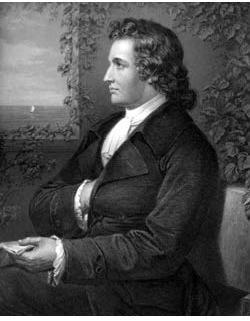
 ADABSARA