
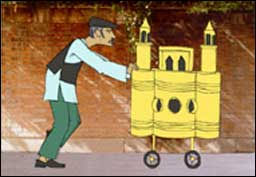
شهر شهرِ فرنگ ِ خوب تماشا کن 0086
Regardez notre ville! Notre ville est la belle ville de France
فردوسی شناسی 2
منابع شاهنامه
فردوسی شاهنامه ابومنصوری را که کار تدوین آن درسال 346 ق/ 336 پایان پذیرفته بود، کامل نمی یابد و با استفاده از مآخذ دیگری برآن می شود تا آن را تکمیل نماید. این منابع و مآخذ، غیر از خود شاهنامه ابومنصوری، احتمالاً می توانند عبارت بوده باشند از:
– کتابهای دینی زرتشت:
مانند کتاب اوستا که بنا به تصدیق دین کرت در زمان داریوش سوم تدوین شده بود[1]. این کتاب بنا بر آنچه زنده یاد پورداود در مقدمه کتاب اندرزخسرو… نوشته است در زمان مامون نیز نوشته شده است. در دفتر سوم این کتاب اخیر اندرزهایی منتسب به زرتشت، آذرباد، نوشیروان، وجمشید وجود دارد.
– خداینامه
که فردوسی ازاین کتاب با نام دفترپهلوی یا پهلوی نامه یاد کرده و برای بدست آوردن آن سفری هم به بلخ داشته است. زیرا می سراید:
دل روشن من چوبرگشت ازوی
بسوی تخت شاه جهان کرد روی
که این نامه را دست پیش آورد
زدفتر گفتار به خویش آورد
– کارنامه اردشیربابکان
ادوارد براون به این امراشاره کرده است که میان کارنامه اردشیر بابکان و آنچه فردوسی درباره اردشیر در شاهنامه خود آورده است، تشابهات زیادی وجود دارد و او بویژه امانتداری حکیم توس را دراین زمینه ستوده است.
– یادگار زریران
– کتابهای نوشته شده در زمان ساسانیان
– شاهنامه مسعودی مروزی
شاهنامه ای است که توسط مسعودی مروزی باحتمال زیاد پیش از سال 350 ق نوشته شده است. هرچند که از آن اثری برجای نمانده است.
– شاهنامه ابوالمؤید بلخی
– شاهنامه ابوعلی محمد بن احمد بلعمی
– اخبار رستم یا رستم نامه
– ترجمه اخبار اسکندریا اسکندرنامه اززبان عربی به زبان پارسی
– کتابی درباره تاریخ قدیم ایران که نزد نجیب زاده ای به نام آزادسرو ازاهالی بلخ بوده است واوچون می شنود که محمود غزنوی دستور داده است کتابی راجع به تاریخ گذشته ایران نوشته شود، آن را به دربار سلطان محمود می فرستد واین احتمال را می توان داد که فردوسی بزرگ درزمانی که درغزنه بوده ازاین کتاب هم استفاده کرده باشد.
– غرراخبارملوک الفرس، نوشته ثعالبی. گفته شده است که محمود غزنوی هم ثعالبی وهم فردوسی را تشویق به نوشتن کتابی راجع به تاریخ گذشته ایران کرده بوده، که البته قول مستندی نیست، وهر دو با استفاده ازمنابع موجود این کار را انجام دادند. منتها ثعالبی کتاب خودرا به نثرکلاسیک عربی نوشت وآن را به ابوالمظفر نصر برادر محمود غزنوی پیشکش کرده است.
– تاج نامک
– آیین نامه
سایرداستانها منفرد نظیرداستان بیژن ومنیژه یا داستان رستم وسهراب ورستم وشغاد، زیرا این داستانها درشاهنامه ابومنصوری نیامده اند. افزون براینها می دانیم که دردوره خسروانوشیروان (531-579) چند کتاب و رساله اخلاقی وآموزشی با نامهای “پند نامک”، “اندرزنامه”، “وصایا” و” عهد نامه” هم نوشته شده بوده است که این احتمال را می توان داد که درزمان حکیم بزرگ توس هنوز دردسترس بوده باشند.
– تفسیر طبری
– تاریخ طبری
هرمن زوتنبرگ [2]، درمقدمه کتاب تاریخ پادشاهان ایران[3]، صص 25 تا 41، با مقایسه وارائه تحلیل شباهتها و تفاوتهایی که بین مدارک مورد استفاده ثعالبی و مدارک طبری، که یکی از منابع فردوسی است، دانش ما را درباره منابع شاهنامه فراتر از یافته های نولدکه برده است [4].
مجتبی مینوی هم درمقدمه رستم وسهراب، براین است که غیرازشاهنامه ابومنصوری، شاهنامه های دیگری هم وجود داشته است، نظیرشاهنامه ای به نثرو انشای ابوالمؤید بلخی ویا شاهنامه ابوعلی محمد بن احمد بلخی، ونیزشاهنامه مسعودی مروزی که سه بیتی ازآن دردو کتاب البده والتاریخ مقدسی نقل شده است وبنا براین پیش ازسال 355 هجری که سال تألیف کتاب مقدسی است نوشته شده بود [5].
وهم اودراین مورد ازکتابهای دیگری مانند کتابهای یعقوبی، دینوری ومسعودی وحمزه اصفهانی بعنوان مجموعه هایی ازداستانهای پهلوانی وایرانی وعربی که نویسندگان آنها سعی کرده اند شاهان ورجال هریک ازاین ملل را ازحیث زمان درمحل خود قرار دهند وتقدم وتأخر تاریخی آنها را مشخص کنند نام می برد [6]. لذا این احتمال را مى توان داد که برخى ازاین کتابها، چنانچه تاریخ نوشتن آنها بین 350 تا 400 ق باشد، نیزمورد استفاده فردوسی درتنظیم ویا تصحیح های بعدى شاهنامه بوده است.
انیوسترانتسف نیز براین باوراست که “درمیان طومارهای موجود درقلعه شیزاحتمالاً منابع داستانهای رزمی شاهنامه موجود بوده است که ازطریق ناقلین به فردوسی رسیده است[7]”.
افزون برمنابع نوشتارى یادشده فردوسی درتنظیم شاهنامه ازآنچه راویان ونقالان زمان او درمورد داستانهای پهلوانان اساطیری ایران بیاد داشته اند، سود فراوان برده است، چه خود اومی گوید:
کنون برگشایم درداستان
سخنهای شایستی باستان…
کنون رزم کاموس پیش آورم
زدفتر به گفتارخویش آورم…
سرآوردم این رزم کاموس نیز
دراز است ونفتاد ازو یک پشیز
تمامی بگفتم من این داستان
بدان سان که بشنیدم ازباستان
که این اشعارنشان دهنده این است که فردوسى دربه نظم کشیدن یک داستان ازمنابع مختلف استفاده می کرده است و افزون براین دربردارنده نکته بسیارمهم دیگرى درباره این کتاب بزرگ است وآن نکته که همۀ محققین نیز برآن اتفاق رای دارند این است که حکیم توس درنقل مطالب خواندنی و یا شنیداری نهایت امانتداری را داشته است و نوعی تعهد نانوشته دراین زمینه داشته است واین یکی ازعلل متعدد ماندگاری این اثربزرگ درایران وجهان بوده است.
درمورد سابقه حضور نقالان وشاهنامه خوانان درجامعه ایران، مرشد عباس زریری می نویسد:
“اکثریت نزدیک به اتفاق مردم این سرزمین که سواد خواندن و نوشتن نداشتند… داستانهای کهن و سرگذشت پهلوانان باستانی را از راویان و نقالان می شنیدند. امروز برای ما دقیقاً روشن نیست که روایت و نقل شفاهی داستانها در برابرانبوه شنوندگان از چه زمانی وبا چه روشهایی آغازشده و چگونه رشد وتکامل یافته است. بنا برپاره ای قرینه های موجود در برخی از متنهای کهن فارسی وعربی می توان گفت که این رشته داستان پردازی از قدیمیترین زمانها- وحتی پیش از نگارش ونظم ادبی داستانها- رواج داشته است. روایت معتبری درکتاب ” السیره النبویه”، نوشته ابن هشام (چاپ مصر، 1955) در دست است که در صدر اسلام مردی عرب به نام “نصر بن حارث ” درشهر مکه ” داستان رستم واسفندیار” را که از مردم ناحیۀمیانرودان آموخته بوده برای مردم کوی و بازار نقل می کرده است[8]”.
محمد جعفرمحجوب نیزدر مجموعه نخست ضبط صوتی “شاهنامه” خود که به همت مؤسسه ماهور تکثیر و توزیع شده است این موضوع را تأیید کرده و اضافه نموده که نصربن حارث ازجمله قریشیان معاند با اسلام بوده و مردم را بدور خود جمع می کرده و با نقل داستانهای پهلوانان ایران به نوعی مقابله با پیامبر، که به پندار صحیح او داستانهای اقوام گذشته و از جمله بنی اسرائیل را برای مردم مکه بازگومی کرده است، روی می آورده است.
خود حکیم توس در شاهنامه آورده است که کتابش مشتمل بر60 هزاربیت بوده است. امّا شاهنامه ای که ما دردست داریم بیش از 52 هزار بیت ندارد و بنابراین به نظرمی رسد که درطول زمان بخشهایی از آن را نسخه برداران حذف کرده اند زیرا در متونی از قرن پنجم برمی خوریم که در آن اشعاری آمده و نویسنده یا تدوین کننده اصرارداشته که آن بیت ها ازفردوسی بوده است ولی ما آن بیت ها را درشاهنامه نمی یابیم.
پانویس:
[1] – ر.ک. کمال عینی، ص 86.
[2] Herman Zotenberg
[3] Histoire des Rois des Perse
[4]- ر. ک. ستارزاده، ص1073.
[5]- ر. ک. مینوی؛ رستم وسهراب، ص6.
[6]- ر. ك. همان ، ص 7.
[7]- انیوسترانتسف، صص 25و16.
[8]- زریری، صص 14 و15.
منبع:
احمد شه وری. فردوسی و نوزایش فرهنگی و علمی ایران. شابک: 978-1477698310
Ferdowsi Studies 2
Sources of the Shahnameh
Ferdowsi did not find the Abu Mansuri Shahnameh, which had been compiled by the year 346 AH/ 957 CE, to be complete and sought to supplement it using other sources. These sources, aside from the Abu Mansuri Shahnameh itself, likely included:
- Zoroastrian Religious Books: Such as the Avesta, which, according to Denkard, was compiled during the reign of Darius III. According to the late Pourdavoud in the introduction to Andarz-e Khosrow…, this book was also written during the time of Ma’mun. The third volume of the latter book contains admonitions attributed to Zoroaster, Azarbad, Nushirvan, and Jamshid.
- Khodaynamak: Ferdowsi referred to this book as Daftar-e Pahlavi or Pahlavi Namak and traveled to Balkh to obtain it, as he wrote:
When my enlightened heart turned away from him, It turned towards the throne of the world’s king. He brought forth this book, Taking it from the words of records.
- Karnamak-e Ardeshir-e Babakan: Edward Browne noted the similarities between Karnamak-e Ardeshir-e Babakan and Ferdowsi’s account of Ardeshir in the Shahnameh, particularly praising the poet’s fidelity to his sources.
- Yadegar-e Zariran
- Books Written During the Sassanid Era
- Mas’udi Marvazi’s Shahnameh: This was a Shahnameh composed by Mas’udi Marvazi, probably before the year 350 AH. Although no copies remain, its existence is well attested.
- Abu al-Mu’ayyad Balkhi’s Shahnameh
- Shahnameh of Abu Ali Muhammad ibn Ahmad Bal’ami
- Akhbar-e Rostam or Rostam Namak
- Translation of Akhbar-e Eskandariya (Alexander Romance) from Arabic into Persian
- A book on ancient Iranian history held by a nobleman named Azadsarv from Balkh: Upon hearing that Mahmud of Ghazni had ordered a history of Iran to be written, he sent this book to the royal court. It is possible that Ferdowsi, during his time in Ghazni, used this book as a source.
- Ghorar Akhbar Moluk al-Fars by Tha’alebi: It has been said that Mahmud of Ghazni encouraged both Tha’alebi and Ferdowsi to write books about Iran’s history, although this claim is not substantiated. Both authors utilized available sources, but Tha’alebi composed his book in classical Arabic prose and dedicated it to Abu al-Muzaffar Nasr, Mahmud’s brother.
- Tajnameh
- Ayin Nameh
Other individual stories, such as the tales of Bizhan and Manizheh, Rostam and Sohrab, and Rostam and Shaghad, were absent from the Abu Mansuri Shahnameh. Additionally, it is known that several ethical and educational treatises, such as Pand Nameh, Andarz Nameh, Wasaya, and Ahd Nameh, were composed during Khosrow Anushirvan’s reign (531–579 CE), which might still have been accessible to Ferdowsi.
- Tabari’s Tafsir
- Tabari’s History
Hermann Zotenberg, in the introduction to Histoire des Rois des Perse, pp. 25–41, compared and analyzed the similarities and differences between Tha’alebi’s sources and those of Tabari, which was one of Ferdowsi’s references, expanding our knowledge beyond Noldeke’s findings.
Mojtaba Minovi, in his introduction to Rostam and Sohrab, argued that in addition to the Abu Mansuri Shahnameh, there were other Shahnamehs, such as one in prose by Abu al-Mu’ayyad Balkhi and another by Abu Ali Muhammad ibn Ahmad Balkhi, as well as Mas’udi Marvazi’s Shahnameh, three verses of which are cited in Maqdisi’s al-Bad’ wa al-Tarikh, proving that it was written before 355 AH.
Minovi also referenced works by historians such as Ya’qubi, Dinawari, Mas’udi, and Hamza Isfahani, who attempted to chronologically arrange the rulers and figures of Iran and Arabia. Thus, it is plausible that some of these books, if written between 350 and 400 AH, were used by Ferdowsi in composing or revising his Shahnameh.
Anisovtantsov believed that “among the scrolls in the fortress of Shiz, there were likely sources of the epic stories in the Shahnameh, which were transmitted to Ferdowsi by narrators.”
Besides these written sources, Ferdowsi benefited greatly from oral traditions and the narratives of contemporary storytellers and performers. He himself stated:
Now I shall open the door to tales, Bringing forth worthy ancient words… Now I bring forth the battle of Kamus, Taking it from the book into my speech… I completed this tale of Kamus, It is long, and I have not omitted a single piece.
I have recounted the story entirely, Just as I heard it from the ancients.
These verses indicate that Ferdowsi utilized multiple sources in composing a single story. Moreover, scholars unanimously agree that he maintained remarkable fidelity in recounting both written and oral narratives, which is one of the key reasons for the enduring legacy of this monumental work.
Regarding the presence of storytellers and Shahnameh reciters in Iranian society, Morshed Abbas Zariri writes:
“The vast majority of people in this land, who were illiterate, heard ancient tales and the lives of legendary heroes from storytellers and reciters. We do not know precisely when and how oral storytelling traditions emerged and evolved. However, some ancient Persian and Arabic texts suggest that this form of storytelling has existed since the earliest times, even before these tales were recorded in writing or poetry. A reliable account in Ibn Hisham’s Al-Sirah al-Nabawiyyah (Cairo edition, 1955) states that in early Islamic times, an Arab man named ‘Nasr ibn Harith’ in Mecca narrated the story of ‘Rostam and Esfandiyar,’ which he had learned from the people of Mesopotamia.”
Mohammad Jafar Mahjoub, in the first volume of his recorded Shahnameh collection, published by Mahoor Institute, confirmed this and added that Nasr ibn Harith was among the Qurayshites who opposed Islam. He gathered people around him and narrated the heroic tales of Iran as a counterpoint to the Prophet’s recitation of the stories of past nations, including the Israelites.
Ferdowsi himself stated that his book contained 60,000 verses. However, the surviving Shahnameh has over 52,000 verses, suggesting that some passages were omitted by scribes over time. Some 5th-century texts cite verses attributed to Ferdowsi that are not found in today’s Shahnameh.
References:
- Ahmad Shahvary. Ferdowsi and the Cultural and Scientific Renaissance of Iran. ISBN: 978-1477698310.
Études sur Ferdowsi 2
Sources du Shahnameh
Ferdowsi n’a pas trouvé le Shahnameh d’Abu Mansuri, qui avait été compilé vers l’an 346 AH/957 CE, suffisant et a cherché à le compléter en utilisant d’autres sources. Ces sources, en dehors du Shahnameh d’Abu Mansuri lui-même, comprenaient probablement :
- Livres religieux zoroastriens : Comme l’Avesta, qui, selon le Denkard, fut compilé sous le règne de Darius III. Selon le défunt Pourdavoud dans l’introduction de Andarz-e Khosrow…, ce livre a également été écrit à l’époque de Ma’mun. Le troisième volume de cet ouvrage contient des exhortations attribuées à Zoroastre, Azarbad, Nushirvan et Jamshid.
- Khodaynamak : Ferdowsi faisait référence à ce livre sous le nom de Daftar-e Pahlavi ou Pahlavi Namak et se rendit à Balkh pour l’obtenir, comme il l’écrivit :
Quand mon cœur éclairé se détourna de lui, Il se tourna vers le trône du roi du monde. Il fit surgir ce livre, Le prenant des mots des archives.
- Karnamak-e Ardeshir-e Babakan : Edward Browne nota les similitudes entre Karnamak-e Ardeshir-e Babakan et le récit de Ferdowsi sur Ardeshir dans le Shahnameh, louant particulièrement la fidélité du poète à ses sources.
- Yadegar-e Zariran
- Livres écrits à l’époque sassanide
- Shahnameh de Mas’udi Marvazi : Un Shahnameh composé par Mas’udi Marvazi, probablement avant l’an 350 AH. Bien qu’aucune copie ne subsiste, son existence est bien attestée.
- Shahnameh d’Abu al-Mu’ayyad Balkhi
- Shahnameh d’Abu Ali Muhammad ibn Ahmad Bal’ami
- Akhbar-e Rostam ou Rostam Namak
- Traduction d’Akhbar-e Eskandariya (Roman d’Alexandre) de l’arabe en persan
- Un livre sur l’histoire de l’Iran détenu par un noble nommé Azadsarv de Balkh : En apprenant que Mahmud de Ghazni avait ordonné l’écriture d’une histoire de l’Iran, il envoya ce livre à la cour royale. Il est possible que Ferdowsi, pendant son séjour à Ghazni, ait utilisé ce livre comme source.
- Ghorar Akhbar Moluk al-Fars de Tha’alebi : Il a été dit que Mahmud de Ghazni encouragea à la fois Tha’alebi et Ferdowsi à écrire des livres sur l’histoire de l’Iran, bien que cette affirmation ne soit pas prouvée. Les deux auteurs utilisèrent les sources disponibles, mais Tha’alebi composa son ouvrage en prose arabe classique et le dédia à Abu al-Muzaffar Nasr, frère de Mahmud.
- Tajnameh
- Ayin Nameh
D’autres histoires individuelles, telles que celles de Bizhan et Manizheh, Rostam et Sohrab, et Rostam et Shaghad, étaient absentes du Shahnameh d’Abu Mansuri. De plus, il est connu que plusieurs traités éthiques et éducatifs, tels que Pand Nameh, Andarz Nameh, Wasaya, et Ahd Nameh, furent composés sous le règne de Khosrow Anushirvan (531–579 CE), et pourraient encore avoir été accessibles à Ferdowsi.
- Tafsir de Tabari
- Histoire de Tabari
Hermann Zotenberg, dans l’introduction de Histoire des Rois des Perses, pp. 25–41, compara et analysa les similitudes et différences entre les sources de Tha’alebi et celles de Tabari, l’une des références de Ferdowsi, enrichissant notre compréhension au-delà des conclusions de Noldeke.
Mojtaba Minovi, dans son introduction à Rostam et Sohrab, argumenta qu’en plus du Shahnameh d’Abu Mansuri, il existait d’autres Shahnamehs, comme un en prose d’Abu al-Mu’ayyad Balkhi et un autre d’Abu Ali Muhammad ibn Ahmad Balkhi, ainsi que le Shahnameh de Mas’udi Marvazi, dont trois vers sont cités dans al-Bad’ wa al-Tarikh de Maqdisi, prouvant qu’il fut écrit avant 355 AH.
Minovi fit également référence aux œuvres d’historiens tels que Ya’qubi, Dinawari, Mas’udi, et Hamza Isfahani, qui tentèrent de classer chronologiquement les souverains et figures de l’Iran et de l’Arabie. Ainsi, il est plausible que certains de ces livres, s’ils furent écrits entre 350 et 400 AH, aient été utilisés par Ferdowsi pour composer ou réviser son Shahnameh.
Anisovtantsov pensait que « parmi les rouleaux dans la forteresse de Shiz, il y avait probablement des sources des récits épiques du Shahnameh, qui furent transmis à Ferdowsi par des narrateurs. »
En plus de ces sources écrites, Ferdowsi bénéficia grandement des traditions orales et des récits des conteurs et interprètes contemporains. Il déclara lui-même :
A présent, j’ouvrirai la porte aux contes, Apportant des paroles anciennes dignes… Maintenant, j’apporte la bataille de Kamus, La prenant du livre à mon discours… J’ai complété ce récit de Kamus, Il est long, et je n’ai omis aucun détail.
J’ai raconté l’histoire entièrement, Telle que je l’ai entendue des anciens.
Ces vers indiquent que Ferdowsi utilisa plusieurs sources pour composer une seule histoire. De plus, les chercheurs s’accordent à dire qu’il respecta avec une fidélité remarquable les récits écrits et oraux, ce qui constitue l’une des raisons principales de la pérennité de cette œuvre monumentale.
Concernant la présence de conteurs et de récitateurs de Shahnameh dans la société iranienne, Morshed Abbas Zariri écrit :
« La grande majorité des gens de cette terre, qui étaient illettrés, entendaient les récits anciens et la vie des héros légendaires par les conteurs et récitateurs. Nous ne savons pas précisément quand et comment les traditions orales émergèrent et évoluèrent. Cependant, certains textes persans et arabes anciens suggèrent que cette forme de narration existait depuis les temps les plus reculés, bien avant que ces histoires ne soient mises par écrit ou en vers. Un témoignage fiable dans Al-Sirah al-Nabawiyyah d’Ibn Hisham (édition du Caire, 1955) affirme qu’à l’époque islamique primitive, un homme arabe nommé ‘Nasr ibn Harith’ à La Mecque narrait l’histoire de ‘Rostam et Esfandiyar’, qu’il avait apprise auprès des habitants de Mésopotamie. »
Ferdowsi déclara que son livre contenait 60 000 vers. Cependant, le Shahnameh qui nous est parvenu en contient plus de 52 000, suggérant que certaines parties furent omises par les copistes au fil du temps.
Références :
- Ahmad Shahvary. Ferdowsi et la Renaissance Culturelle et Scientifique de l’Iran. ISBN: 978-1477698310.
 ADABSARA