
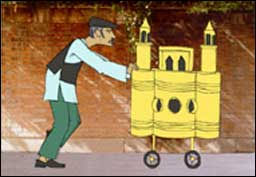
شهر شهرِ فرنگ ِ خوب تماشا کن 0083
Regardez notre ville! Notre ville est la belle ville de France
احمد شه وری. سعدی استاد در سرایش غزل. 1397. 392 صفحه. شابک:
978-1477696309
سعدی شناسی 6
غزل و جایگاه آن در شعر فارسی
سروده های عاشقانه سعدی (11)
یـک روز بــه شیــدایی در زلــف تو آویـزم
زان دو لـب شیرینـت صــد شور بــرانگیزم
گر قـصد جفـا داری اینک من و اینـک سـر
ور راه وفــا داری جــان در قـدمـــت ریــزم
بس توبه و پرهیزم کز عشق تو باطل شد
من بعـد بــدان شــرطم کز تــوبه بپرهیـزم
سیــم دل مسکینـم در خاک درت گم شد
خاک سـر هر کویـی بـی فایــده میبیــزم
در شهر به رسوایی دشمـن به دفـم بـرزد
تــا بــر دف عشــق آمـــد تیــر نـظـر تیــزم
مجنــون رخ لیـلـی چـون قیس بنـی عـامر
فرهــاد لب شیریـن چـون خسـرو پــرویـزم
گفتی به غمم بنشین یا از سر جان برخیز
فـرمــان برمــت جانــا بنـشینـم و بــرخیـزم
گــر بی تو بــود جنــت بــر کنـگـره ننشینم
ور بــا تــو بود دوزخ در سـلـسـلـه آویــزم
با یــاد تو گر سـعـدی در شعر نمیگنـجــد
چون دوسـت یگـانـه شد با غیــر نیـامیــزم
این غزل مؤید این ادعاست که پس از سعدی دیگر در هیچ غزل ِ عاشقانه، آن عشق ِانسانی و محسوس و آن گستاخی وشور و سیلان ِ کلام دیده نمی شود. شعر دیگر بیان پرشورِ تجربه عاطفی نیست.بیتی چون:
چنین که بردل ِمن داغ زلف ِسرکش ِتوست
بنفشه زار شود چون به تربت ام گذری
تنها مضمون سازی و ظریف کاری انتزاعی است که در یک غزل ِ عاشقانه آب بر آتش ِتیز می زند.در این گونه غزل ها، معشوق، معشوق ادبی ست نه واقعی. از باب نمونه می توان نشان داد که شعر حافظ، بیش تر بازسازی ماهرانه مضمون های شاعران پیش از اوست. در چنین شعری از تجربه شخصیِ عاطفی نمی توان به راحتی سخن گفت. شاعری که در کارِ باز سازی ِتجربه هایِ کلامی دیگران در شکلی کامل تر به اعتبار صنایع ِبدیعی باشد شور عاطفی را درشعرِ خود نابود خواهد کرد. وقتی سعدی می گوید:
خروش ام از تفِ سینه ست و ناله از سرِ درد
نه چون دگر سخنان کز سر ِ مجاز آید
به نکته دقیقی اشاره می کند. معشوقِ شعر ِسعدی معشوق واقعی محسوس است هم چنان که می در شعرِ منوچهری. در شعرِ منوچهری «می» شئ ثانویِ تزیینی ِ وادبی نیست، آن را نمی توان به چیز دیگری تعبیرکرد. می، می است وهمه قدرت نفوذ و شور و تحرک شعر ِمنوچهری هم در هم این است…
محمدعلی حضرتی درباره غزلهای سعدی می گوید:
«عوام عیب کنندم که عاشقی همه عمر
کدام عیب که سعدی همین هنر دارد»
سعدی معتقد است که یک هنر دارد و آن عاشقی ست، البته این هنر نه به معنی هنر امروزی و معادل فن بلکه به معنی ارزش است. سعدی تصریح می کند که ارزش من به عاشق بودنم است و علی رغم برخی تردید ها، سعدی غزل های عاشقانه زمینی فراوان دارد. در سخن او سه وجه اندرز، تغزل و تصوف مستتر است. سعدی در مواعظش صریح و شجاع بوده، غزل های عارفانه بلند و زیبایی دارد و در عین حال در عرصه شعر عاشقانه هم شاعری کم نظیر است.
غزل های سعدی به هیچ عنوان ساختگی نبوده و صناعتی در آن وجود ندارد، درست برعکس حافظ که سخنش را در جایگاه رفیعی نشانده آن را جلا داده و تا جایی که ممکن است لفظش را با انواع آرایه های ادبی می آراید. حافظ آرایه هایی چون ایهام، تضاد و طباق و مراعات نظیر را آگاهانه و عامدانه و به وفور در اشعارش به کار می برد. سعدی خلاف حافظ، که صنعتگری کرده و با مخاطب طوری برخورد می کند که خواننده اشعار متوجه نمی شود که این غزل عارفانه است یا عاشقانه، صادق است و هیچ صنعتگری نمی کند و صراحتاً می گوید:
«من اگر نظر گناه است بسی گناه دارم
چه کنم؟ نمی توانم که نظر نگاه دارم»
سعدی بسیار شفاف و صادقانه واقعاً عشقش را ابراز می کند و امتیاز شعر عاشقانه نیز به همین نکته است که باید از حس واقعی شاعر سرچشمه بگیرد تا دو تأثیر در خواننده ایجاد کند، اول او را با حس شاعر همراه کرده و دوم اینکه زبان حال مخاطب باشد. منظور از حس، احساس عاشقانه است. نکته قابل توجه این است که شعر پر احساس گفتن با شعر احساساتی گفتن فرق می کند، شعر احساساتی بسیار سخیف بوده، منتقدان زیادی داشته و هیچ جلوه ای هم ندارد، و شاعری موفق است که بتواند شعر پُر احساس بگوید و سعدی خدای این نوع شعر است. سعدی عاشقی یکه گزین بوده و در عشق برای خودش معیاری قائل است و شرط بقای او، بقای معشوق در عشق است، وی در غزلیات عاشقانه اش نیز از عشقی زمینی سخن گفته، تظاهر نکرده و نیازی هم ندارد اشعارش را به ملکوت نسبت بدهد همانطور که خود می گوید:
«در من این هست که صبرم ز نکورویان نیست
زرق نفروشم و زهدی ننمایم کان نیست».
Ahmad Shahvary. Sa’di, the Master of Ghazal Composition. 2018. 392 pages. ISBN: 978-1477696309
Sa’di Studies 6
Ghazal and Its Place in Persian Poetry
Sa’di’s Romantic Poems (11)
One day, I will cling to your tresses in madness,
From your sweet lips, I will stir a hundred passions.
If you intend cruelty, here I am, and here is my head,
If you seek loyalty, I will pour my soul at your feet.
So many vows and abstentions I made, all voided by your love,
Now, I am bound by this condition: to abstain from abstaining.
My silver-hearted misery is lost in the dust of your door,
The dust of every alley I sweep is in vain.
In the city, my enemy mocks my disgrace,
Until the drum of love beats, and I sharpen the arrow of my gaze.
Like Majnun, who saw Layla as Qays ibn Amir,
Like Farhad, who saw Shirin as Khosrow Parviz.
You said, “Sit with my sorrow or rise from the soul’s depth,”
Your command is my life, I will sit and rise.
If paradise is without you, I will not sit on its ramparts,
If hell is with you, I will hang from its chains.
If Sa’di, with your memory, does not falter in his poetry,
When the beloved becomes one, I will not mingle with others.
This ghazal supports the claim that after Sa’di, no romantic ghazal has ever captured the same human, tangible love, or the boldness, fervor, and fluidity of language. Poetry is no longer the passionate expression of emotional experience. A couplet like:
“The scar of your unruly tress on my heart is such,
That the violet field will bloom when I pass to my grave.”
Is merely an abstract play of themes and delicate craftsmanship that pours water on the fire of passion in a romantic ghazal. In such ghazals, the beloved is a literary construct, not a real one. For instance, it can be shown that Hafez’s poetry is largely a skillful reconstruction of themes from earlier poets. In such poetry, it is difficult to speak of personal emotional experiences. A poet who focuses on reconstructing the verbal experiences of others in a more polished form, relying on rhetorical devices, will destroy the emotional fervor in their poetry. When Sa’di says:
“My cry is from the fire in my chest, and my lament from the pain in my heart,
Not like the words of others that come from pretense.”
He points to a subtle truth. The beloved in Sa’di’s poetry is a tangible, real beloved, just as wine is in Manuchehri’s poetry. In Manuchehri’s poetry, wine is not a secondary, decorative literary object; it cannot be interpreted as something else. Wine is wine, and the power, fervor, and dynamism of Manuchehri’s poetry lie precisely in this…
Mohammad Ali Hazrati, speaking about Sa’di’s ghazals, says:
“The common folk fault me for loving all my life,
What fault is it, when Sa’di’s only art is this?”
Sa’di believes he has one art, and that is love. Of course, this art is not in the modern sense of skill but rather in the sense of value. Sa’di explicitly states that his value lies in his capacity to love, and despite some doubts, Sa’di has numerous earthly romantic ghazals. In his words, three aspects are embedded: advice, romance, and mysticism. Sa’di is direct and courageous in his sermons, has long and beautiful mystical ghazals, and at the same time, he is an unparalleled poet in the realm of romantic poetry.
Sa’di’s ghazals are by no means artificial, and there is no pretense in them, quite the opposite of Hafez, who elevates his words to a lofty status, polishes them, and adorns his language with various rhetorical devices as much as possible. Hafez consciously and deliberately uses devices such as ambiguity, antithesis, and parallelism abundantly in his poetry. Sa’di, unlike Hafez, who crafts his poetry and interacts with the reader in a way that leaves them unsure whether the ghazal is mystical or romantic, is sincere and does not engage in artifice. He explicitly says:
“If gazing is a sin, I have many sins,
What can I do? I cannot refrain from gazing.”
Sa’di very clearly and sincerely expresses his love, and the merit of romantic poetry lies precisely in this: it must stem from the poet’s genuine feelings to have two effects on the reader. First, it must align the reader with the poet’s emotions, and second, it must resonate as the reader’s own state. By “feeling,” we mean romantic emotion. It is important to note that there is a difference between writing emotionally charged poetry and writing sentimental poetry. Sentimental poetry is often shallow, has many critics, and lacks any real charm. A successful poet is one who can write deeply emotional poetry, and Sa’di is the master of this kind of poetry. Sa’di is a unique lover, setting his own standards in love, and his survival depends on the survival of his beloved in love. In his romantic ghazals, he speaks of earthly love without pretense and feels no need to attribute his poems to the divine realm, as he himself says:
“In me, there is no patience for the fair-faced,
I do not sell pretense, nor do I feign piety, for it is not in me.”
 ADABSARA