
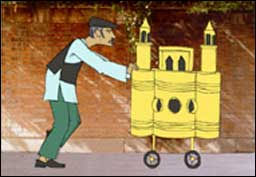
شهر شهرِ فرنگ ِ خوب تماشا کن 0080
Regardez notre ville! Notre ville est la belle ville de France
درسهای تاریخ و تمدن ایران:
شکست دولت ایلام از آشوربانیپال در سال 640 پیش از میلاد
646 پ م
– با قتل عام مردم وتخریب سراسری شوش، دوره نئو-ایلامی سه آغاز گردید. این دوره تا سال 539 ادامه داشت.
– پائه (پس از پائیز 646 تا 645/4)، در ایلام به پادشاهی رسید.
– تخریب شهر ایلامی شوش توسط آشوربانیپال امپراتوری نو آشوری.
– حکمروایی ایندَتو این شوشینک چهارم (647 تا پس از پائیز 646)، در ایلام به پایان رسید.
– در سال 646 پادشاهی یکی از شاهان ایلام با نام ایندتو اینشوشینک چهارم پایان یافت.
– در این سال یکی از شاهان ایلام با نام شوتورنهونته سوم به پادشاهی رسید.
– سومو یموتبله از شاهان ایلام بوده است.
– شوتور ناخونته/نهونته سوم (ح پس از پائیز 646)، پسر ایندتو این شوشینک چهارم در ایلام به پادشاهی رسید. او ظاهراً چند ماه بیشتر پادشاهی نداشت.
– هومبان/خومبان هالتاش سوم[1] پس از تاماریتوی دوم، از دودمان کیدینو، در 646 در ایلام به حکمروایی می رسد.
645 پ م
حکمروایی هومبان/خومبان هالتاش/هلتش سوم نود ومین شاه ایلام، در ایلام به پایان رسید.
پائه (پس از پائیز 646 تا 645/4)، در ایلام به پایان رسید.
آشور بانیپال به ایلام حمله کرده و «خوم بان کالداش»، آخرین شاه ایلام را اسیر و دولت مرکزی ایلام را منقرض کرد.
640 پ م
– آشور بانیپال پادشاه نیرومند آشور، ایلام را تصرف و مردم ایلام را کشتار و دولت ایلام را نابود کرد. تمدن دیرینه ایلام، پس از هزاران سال مقاومت در برابر اقوام نیرومندی چون سومریها، اَکَدیها، بابلیها و آشوریها از دشمن خود آشور شکست خورد. کتیبه آشور بانیپال در باره فتح و نابودی ایلام چنین می گوید[2]: تمام خاک شهر شوشان و شهر ماداکتو و شهرهای دیگر را با توبره به آشور کشیدم، و در مدت یک ماه و یک روز کشور ایلام را با همه پهنای آن، جاروب کردم. من این کشور را از چارپایان و گوسپند، و نیز از نغمههای موسیقی بیبهره ساختم و به درندگان، ماران، جانوران و آهوان رخصت دادم که آن را فرو گیرند.
دولت آشور پس از بلعیدن بابل به مصاف دولت ایلام می آید و در نبردی سهمگین آشوربانیپال، پادشاه مقتدر آشور، در سال 640، طومار دولت ایلام را درهم پیچد. آشوریها شوش را متصرف شده و خزانه شاهی آنجا را به غارت بردند. آنها بدین هم بسنده نکردند و استخوانهای پادشاهان ایلام و اشخاص نامی آن کشور را از خاک بیرون آورده و آنها را به نینوا فرستادند.
هوبان هالتاش در سال 640، به شاهی رسید. در دوران حکومت او، آشوریان دوباره به ایلام حمله کردند و مدکتو را تصرف نمودند و با فتح این شهر آشوریان به کرخه راه یافتند. شوش پایتخت ایلام تسخیر گردید و آخرین پادشاه ایلام، هوبان هالتاش سوم توسط آشور بانیپال به اسیری گرفته شد. آشوربانیپال دستور قتل هوبان هالتاش را صادر کرد.
639پ م
در این سال آشوربانیپال سرزمین های ایلام را بگونه ای ویران کرد که تصور کرد پادشاهی ایلام دیگر بهبود نمی یابد.
633 پ م
تمتی هومبان این شوشینک یکم (663 تا سپتامبر 653) برادر اورتک این شوشینک در سال 633 به پادشاهی رسید.
پانویس:
1- Khumban-Haltash III
2- «تقدیم به جویندگان راه حق» . بازبینیشده در 24 بهمن 138۶.
منبع:
احمد شه وری. پیشینه تاریخ ایران: شابک:978-600-04-8162-9
English Translation:
Lessons of Iranian History and Civilization:
The Defeat of the Elamite State by Ashurbanipal in 640 BCE
646 BCE
With the massacre of the people and the complete destruction of Susa, the Neo-Elamite period began. This period lasted until 539 BCE.
Pa’e (after autumn 646 to 645/4) ascended to the throne in Elam.
The destruction of the Elamite city of Susa by Ashurbanipal of the Neo-Assyrian Empire.
The rule of Indattu Inshushinak IV (647 to after autumn 646) in Elam came to an end.
In 646, the reign of one of the Elamite kings, Indattu Inshushinak IV, ended.
In this year, one of the Elamite kings, Shutur-Nahhunte III, ascended to the throne.
Shumu-Yamutbale was one of the Elamite kings.
Shutur-Nahhunte III (reigned after autumn 646), son of Indattu Inshushinak IV, ascended to the throne in Elam. He apparently reigned for only a few months.
Humban/Khumban-Haltash III[1], after Tamaritu II, from the Kidinu dynasty, began his rule in Elam in 646.
645 BCE
The rule of Humban/Khumban-Haltash III, the 90th king of Elam, came to an end in Elam.
Pa’e (after autumn 646 to 645/4) ended his rule in Elam.
Ashurbanipal invaded Elam, captured “Khumban-Kaldash,” the last king of Elam, and eradicated the central Elamite government.
640 BCE
Ashurbanipal, the powerful king of Assyria, conquered Elam, massacred its people, and destroyed the Elamite state. The ancient civilization of Elam, after thousands of years of resistance against powerful nations such as the Sumerians, Akkadians, Babylonians, and Assyrians, was defeated by its enemy, Assyria. Ashurbanipal’s inscription about the conquest and destruction of Elam states[2]: “I carried off the entire soil of the city of Susa, Madaktu, and other cities to Assyria, and in one month and one day, I swept through the land of Elam in its entirety. I deprived this land of cattle, sheep, and even the sounds of music, and I allowed wild beasts, snakes, and animals to inhabit it.”
After swallowing Babylon, the Assyrian state confronted the Elamite state, and in a fierce battle in 640, Ashurbanipal, the mighty king of Assyria, rolled up the scroll of the Elamite state. The Assyrians captured Susa and plundered its royal treasury. They did not stop there and exhumed the bones of Elamite kings and notable figures, sending them to Nineveh.
Huban-Haltash ascended to the throne in 640. During his reign, the Assyrians invaded Elam again, captured Madaktu, and through the conquest of this city, the Assyrians reached the Karun River. Susa, the capital of Elam, was seized, and the last king of Elam, Huban-Haltash III, was captured by Ashurbanipal. Ashurbanipal ordered the execution of Huban-Haltash.
639 BCE
In this year, Ashurbanipal devastated the lands of Elam to such an extent that he believed the Elamite kingdom would never recover.
633 BCE
Teumman-Humban-Inshushinak I (663 to September 653), brother of Urtak-Inshushinak, ascended to the throne in 633.
Footnotes:
Khumban-Haltash III
“Dedicated to the seekers of truth.” Reviewed on February 24, 2008.
Source:
Ahmad Shahvary. Background of Iranian History. ISBN: 978-600-04-8162-9.
Leçons de l’histoire et de la civilisation iraniennes :
La défaite de l’État élamite par Assurbanipal en 640 avant J.-C.
646 avant J.-C.
Avec le massacre de la population et la destruction totale de Suse, la période néo-élamite a commencé. Cette période a duré jusqu’en 539 avant J.-C.
Pa’e (après l’automne 646 à 645/4) est monté sur le trône en Élam.
La destruction de la ville élamite de Suse par Assurbanipal de l’Empire néo-assyrien.
Le règne d’Indattu Inshushinak IV (647 à après l’automne 646) en Élam a pris fin.
En 646, le règne d’un des rois élamites, Indattu Inshushinak IV, a pris fin.
Cette année-là, un des rois élamites, Shutur-Nahhunte III, est monté sur le trône.
Shumu-Yamutbale était l’un des rois élamites.
Shutur-Nahhunte III (règne après l’automne 646), fils d’Indattu Inshushinak IV, est monté sur le trône en Élam. Il a apparemment régné seulement quelques mois.
Humban/Khumban-Haltash III[1], après Tamaritu II, de la dynastie Kidinu, a commencé son règne en Élam en 646.
645 avant J.-C.
Le règne de Humban/Khumban-Haltash III, le 90e roi d’Élam, a pris fin en Élam.
Pa’e (après l’automne 646 à 645/4) a terminé son règne en Élam.
Assurbanipal a envahi l’Élam, capturé “Khumban-Kaldash,” le dernier roi d’Élam, et a anéanti le gouvernement central élamite.
640 avant J.-C.
Assurbanipal, le puissant roi d’Assyrie, a conquis l’Élam, massacré sa population et détruit l’État élamite. L’ancienne civilisation élamite, après des milliers d’années de résistance contre des nations puissantes comme les Sumériens, les Akkadiens, les Babyloniens et les Assyriens, a été vaincue par son ennemi, l’Assyrie. L’inscription d’Assurbanipal sur la conquête et la destruction de l’Élam déclare[2] : “J’ai emporté toute la terre de la ville de Suse, Madaktu, et d’autres villes en Assyrie, et en un mois et un jour, j’ai balayé l’ensemble du pays d’Élam. J’ai privé ce pays de bétail, de moutons, et même des sons de la musique, et j’ai permis aux bêtes sauvages, aux serpents et aux animaux de l’habiter.”
Après avoir avalé Babylone, l’État assyrien a affronté l’État élamite, et dans une bataille féroce en 640, Assurbanipal, le puissant roi d’Assyrie, a mis fin à l’État élamite. Les Assyriens ont capturé Suse et pillé son trésor royal. Ils ne se sont pas arrêtés là et ont exhumé les os des rois élamites et des personnalités notables, les envoyant à Ninive.
Huban-Haltash est monté sur le trône en 640. Pendant son règne, les Assyriens ont envahi à nouveau l’Élam, capturé Madaktu, et à travers la conquête de cette ville, les Assyriens ont atteint la rivière Karun. Suse, la capitale de l’Élam, a été prise, et le dernier roi d’Élam, Huban-Haltash III, a été capturé par Assurbanipal. Assurbanipal a ordonné l’exécution de Huban-Haltash.
639 avant J.-C.
Cette année-là, Assurbanipal a dévasté les terres de l’Élam à un point tel qu’il a cru que le royaume élamite ne se rétablirait jamais.
633 avant J.-C.
Teumman-Humban-Inshushinak I (663 à septembre 653), frère d’Urtak-Inshushinak, est monté sur le trône en 633.
Notes :
Khumban-Haltash III
“Dédié aux chercheurs de vérité.” Révisé le 24 février 2008.
Source :
Ahmad Shahvary. Contexte de l’histoire iranienne. ISBN : 978-600-04-8162-9.
 ADABSARA