
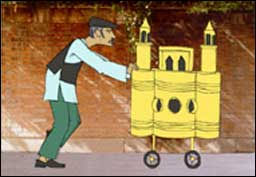
شهر شهرِ فرنگ ِ خوب تماشا کن 0076
Regardez notre ville! Notre ville est la belle ville de France
یادداشت هایی در باره میرزا تقی خان امیرکبیر
آیین/دکترین سیاسی امیرکبیر (بخش یکم)
امیرنظام که از سالها قبل با ناصرالدین میرزا الفت و نزدیکی پیدا کرده بود پس از فوت محمد شاه مقتدرانه مقدمات و اسباب بر تخت نشستن فرزند ارشد او را با عنوان ناصرالدین شاه را فراهم آورد و در 14 شوال 1264 سلطنت ناصرالدین شاه را اعلام کرد.
سیاست داخلی امیر پس از دریافت فرمان صدارت در آغاز سلطنت ناصرالدین شاه عبارت بود از برانداختن نفوذ درباریان و قطع مستمری های فوق العاده که بدون سبب به اشخاص داده می شد، تمرکز امور اداری و مالیات ها و درآمدهای دولت و تنظیم بودجه که تا آن زمان در ایران سابقه نداشت، ایجاد تعادل بین درآمد و هزینه دولت، تشکیل سپاه منظم تحت السلاح، از میان بردن ملوک الطوایفی و روسای ایالات و بسط معارف به طریق اقتباس از اصول معارف اروپایی.
امیرکبیر منادی مردم سالاری
مردم داری و مردم سالاری یکی از ویژگی های حکومت امیرکبیر بود. او خلاف بسیاری دیگر از دست اندرکاران مسئول حکومت، برای مردم ارزش و اعتبار خاصی قائل بود و خیلی از اقدامات او برای سربلندی مردم و منفعت آنان انجام می شد. وی دوست داشت مردم از حق و حقوق خود آگاه شوند و برای دریافت آن اظهار وجود نمایند و تسلیم زور و ظلم و ستم ناحق طبقه حاکم جامعه نشوند. امیرکبیر در انتخاب همه مقامات دولت خود به فراهم سازی زمینه رفاه و آسایش مردم بها می داد. ارزش گذاری او برای مردم جامعه، تأثیر عمیقی در ایجاد جامعه مدنی مبتنی بر امنیت به وجود آورد.
روشنگری های امیرکبیر و اطلاع رسانی بموقع دستگاه حکومت او سبب گردید تا مردم حتی در بدترین شرایط، در رفاه و آسایش زندگی کنند. به عنوان نمونه وقتی او موفق شد فتنه سالار را در خراسان خاموش کند، وزیر مختار انگلیس در گزارشی که برای دولت خود منعکس کرد، از نظم کار امیرکبیر و رفتار خوب سربازان با مردم تمجید کرده و نوشته است:
«مهمترین مطلبی که جلب توجه می کند، این است که سربازان همه مدت در شهر رفتار درستی داشتند و از انضباط نظامی پا فرا ننهادند و مانع گردیدند که به مردم مشهد تعدی و آزاری برسد[1].
در این رابطه نمونه های زیادی وجود دارد که دیگران از توجه امیرکبیر به مردم سخن گفته اند و یا در فرمان های خود وی به حکم رانان قابل ملاحظه است. مثلاً فرمانی که در خرداد 1226/ ذی الحجه سال 1267 به اسکندرخان سردار، حاکم کرمانشاه صادر کرده، مبین این موضوع است:
«از قراری که مذکور شد، سربازانی که در قصر شیرین برای حفظ و قراولی آن راه گماشته اند، عوض صیانت و حراست، اذیت و اهانت می کنند و به زوار و مترددین آزار می رسانند و پول می گیرند. اگر هم بگویم خبر ندارید، چگونه می شود که من این جا بشنوم و شما در آن جا خبر نداشته باشید. این تجاهل و تغافل که شما را ندانستن از چه رهگذر است؟! البته بفرستید صاحب منصب آن ها را که در آن جا گذاشته اید، بیاورید، تنبیه معقولی بکنید و التزام بگیرید که بعد از این متعرض مردم نشوند و این طور رفتار و حرکات را ترک نمایند. مقصود از این گذاشتن آن ها، ایمنی راه است نه اغتشاش. البته در این باب بسیار دقت و مراقبت نمائید[2]».
صراحت لهجه امیرکبیر با یک حاکم، در سخن فوق کاملاً مشهود است و نشان می دهد که او در کار حکومت و نظم و قانون و امنیت مردم جدی بوده و کسی حق تعرض به مردم و سوء استفاده از آن ها را نداشته است. امیر در سخنان مذکور منظور و مقصودش را واضح بیان نموده و این ویژگی یکی از سیاست های او در برقراری امنیت در جامعه و حمایت و حفاظت از مردم و حذف ظلم و ستم از زندگی آنان بوده است.
نکته ای که نباید از نظر دور داشت، فرهنگ مردم آن دوره است. سالیان طولانی حکومت شاهان و بها ندادن آن ها به مردم سبب گردید تا از عرصه های مختلف جامعه دور باشند و ورود پیدا نکنند، یا کمتر ابزار وجود نمایند. امیرکبیر ضمن انجام اصلاحات و اقدامات خود، می کوشید تا مردم را به صحنه اجتماع بکشاند تا بتوانند در مقابل وقایع و حوادث و رخ دادهای کشور و تعیین سرنوشت خود اظهار نظر نمایند.
شتاب اقدامات و اصلاحات امیرکبیر در مدت کوتاه، همه را متعجب کرد. این کار از یک سو حمایت مردم و از سوی دیگر مخالفت عده ای را به دنبال داشت و مخالفان اقدامات امیرکبیر برای توقف سرعت اصلاحات وارد عمل شدند و با تطمیع عده ای از سربازان آذربایجان مقیم تهران، تصمیم به قتل امیر گرفتند و جامعه آن روز را ملتهب ساختند، اما تشخیص مردم خلاف نظر مخالفان بود. از این رو به حمایت از او، سد راه مخالفان شدند و با تظاهرات خیابانی، مانع عملی شدن نقشه آن ها گردیدند. این قضیه در گزارش سفیر انگلیس به وزارت خارجه کشورش آمده و بیانگر آن است که رابطه دو طرفه ای بین امیرکبیر و مردم، حاکم بوده است. در این گزارش چنین آمده است:
«در راه امیر به مقر سلطنتی، تمام مردم شهر به دنبال او روان بودند، گوسفندها قربانی کردند و استقبال شاهانه ای از او نمودند…در این مملکت، هیچ وقت یک چنین تظاهراتی به نفع وزیری دیده نشده است[3]…».
برقراری حکومت قانون
و مهمتر از همه او در ذهن خود آنگونه که در کتاب امیرکبیر و ایران آمده به نزدیکانش گفته بود نگذاشتند «خیال کانستیتوسیون/مشروطیت داشتم، اما نگذاشتند». پس کسانی که آن مرد بزرگ را کشتند در واقع مشروطیّت ایران را 58 سال به عقب انداختند.
حفاظت اطلاعات
امیرکبیر برای آنکه از روابط درباریان و روحانیون و دیگران بابیگانگان مقیم تهران آگاهی حاصل کند و نیز مأموران وظیفه شناس را از خائنان تشخیص دهد اداره سرّی مخصوص که هویت ومشخصات کارکنان آن کاملاً مخفی بود در تهران دایر کرد. این اداره در کار مأموران دولتی و امنیت کشور و تسلط دولت بر امور تاثیر شگرفی بخشید.
یکی از سازمان های مهم و جالب در حکومت امیرکبیر، که در واقع بازوی او برای کشف فساد و تجاوز مأموران حکومتی به مردم بود و کمک مؤثری در استقرار عدالت اجتماعی و امنیت مدنی داشت، دستگاه خبررسانی و خُفیه نویسی وی بود. وی با کمک این سازمان، از نهادهای حکومتی خود خبر داشت و از مسائل جاری در گوشه و کنار کشور آگاه بود، به طوری که مردم، وی را عالم بر اسرار مملکت می شناختند. امیر حتی در سفارت انگلیس و دیگر سفارت خانه ها، خُفیه نگارانی داشت که وی را از اوضاع و رفت و آمد به سفارت خانه ها آگاه می ساختند[4].
برای اطلاع بیشتر مراجعه نمایید به :
احمد شه وری. امیرکبیر: وجدان بیدار ِایران. 1391. 255 صفحه. شابک: 978-3288062841
Notes on Mirza Taqi Khan Amir Kabir
Amir Kabir’s Political Doctrine (Part One)
Amir Nezam, who had developed a close relationship with Naser al-Din Mirza years earlier, resolutely facilitated his accession to the throne after the death of Mohammad Shah. He officially declared the reign of Naser al-Din Shah on 14 Shawwal 1264 (Islamic calendar).
Amir’s domestic policies, upon receiving the decree of premiership at the beginning of Naser al-Din Shah’s reign, included eliminating the influence of court officials, cutting extraordinary allowances granted without justification, centralizing administrative and financial affairs, establishing a state budget—an unprecedented concept in Iran—balancing state revenues and expenditures, forming a disciplined and armed army, eradicating feudalism and regional rulers, and promoting education based on European models.
Amir Kabir: A Champion of Democracy
One of the defining characteristics of Amir Kabir’s governance was his commitment to the people and democracy. Unlike many other officials, he held the people in high regard and undertook numerous initiatives for their well-being. He sought to raise public awareness of their rights, encouraging them to demand justice and resist the tyranny of the ruling elite. In appointing government officials, Amir prioritized the welfare and security of the people, fostering a civil society based on justice and stability.
His transparency and timely dissemination of information ensured that, even in difficult circumstances, the populace lived in relative comfort. For instance, after quelling the Salar rebellion in Khorasan, the British envoy, in his report to his government, praised Amir’s orderliness and the discipline of his soldiers, noting:
“The most remarkable aspect was that the soldiers maintained impeccable conduct in the city, strictly adhered to military discipline, and prevented any harm or distress to the people of Mashhad.”
Numerous other reports confirm Amir Kabir’s attention to public welfare. His direct orders to provincial governors also highlight this concern. For example, in June 1849 (Dhu al-Hijjah 1267), he issued a stern directive to Eskandar Khan Sardar, the governor of Kermanshah:
“It has been reported that soldiers stationed in Qasr-e Shirin, instead of safeguarding the area, are harassing travelers, extorting money, and causing distress. If you claim ignorance, how is it that I hear of this in Tehran while you remain unaware? This negligence is unacceptable! You must immediately summon the responsible officers, discipline them appropriately, and ensure they pledge never to mistreat the people again. Their presence is meant to provide security, not create disorder. You must pay close attention to this matter.”
Amir’s forthrightness in addressing officials underscores his dedication to governance, law, and public security. His statements reveal his unwavering commitment to justice and his determination to shield citizens from oppression.
A crucial aspect to consider is the cultural backdrop of that era. Centuries of monarchic rule had alienated the public from governance, discouraging their participation in societal affairs. Amir Kabir, through his reforms, sought to integrate the people into the political landscape, enabling them to engage in national matters and shape their own destiny.
The rapid pace of Amir Kabir’s reforms astonished many, garnering both widespread support and fierce opposition. His adversaries, fearing the continuation of his reforms, conspired against him, even attempting to orchestrate his assassination by bribing Azerbaijani soldiers stationed in Tehran. However, the public, recognizing his integrity, rallied behind him. Mass demonstrations thwarted the plot, a fact documented in the British ambassador’s report to his foreign ministry:
“As Amir made his way to the royal palace, the entire city followed him, sacrificing sheep in celebration and receiving him with royal honors. Such a public display of support for a minister has never before been witnessed in this country.”
Establishing the Rule of Law
Most notably, as recorded in Amir Kabir and Iran, he once confided in his close associates:
“I aspired to establish constitutional rule, but they did not allow it.”
Thus, those who orchestrated Amir Kabir’s demise effectively delayed Iran’s constitutional movement by 58 years.
Intelligence and Security Measures
To monitor interactions between courtiers, clerics, and foreign diplomats in Tehran, and to distinguish loyal officials from traitors, Amir Kabir established a covert intelligence agency. The identities of its agents remained strictly confidential. This institution significantly enhanced state security and government oversight.
One of Amir Kabir’s most remarkable administrative tools was his intelligence and surveillance network, which played a crucial role in uncovering corruption, ensuring social justice, and maintaining civic security. This organization kept him informed of governmental affairs and national developments, earning him a reputation as an omniscient leader. He even maintained spies within the British embassy and other foreign missions, ensuring he remained apprised of their activities and interactions.
Four Further information refer to:
Ahmad Shahvary. Amir Kabir: The Awake Conscience of Iran. 2012. 255 pages. ISBN: 978-3288062841 (in farsi)
Notes sur Mirza Taqi Khan Amir Kabir
La Doctrine Politique d’Amir Kabir (Première Partie)
Amir Nezam, qui entretenait depuis des années des liens étroits avec Naser al-Din Mirza, facilita avec détermination son accession au trône après la mort de Mohammad Shah. Il proclama officiellement le règne de Naser al-Din Shah le 14 Shawwal 1264.
Sa politique intérieure, après avoir reçu le décret de Grand Vizir, visait à éliminer l’influence des courtisans, à supprimer les pensions injustifiées, à centraliser l’administration et les finances, à établir un budget national, à équilibrer les revenus et les dépenses de l’État, à organiser une armée disciplinée, à abolir le féodalisme et à promouvoir l’éducation selon les modèles européens.
Amir Kabir, Défenseur de la Démocratie
L’une des caractéristiques fondamentales du gouvernement d’Amir Kabir était son attachement au peuple et à la démocratie. Contrairement à de nombreux responsables politiques, il considérait le peuple avec respect et entreprenait des réformes pour son bien-être. Il souhaitait que les citoyens connaissent leurs droits et les revendiquent face aux abus des élites dirigeantes.
Amir accordait une grande importance à la transparence et à l’information. Par exemple, après avoir réprimé la révolte du Salar au Khorasan, l’envoyé britannique rapporta :
“Ce qui est le plus remarquable, c’est que les soldats ont toujours maintenu une conduite irréprochable et ont veillé à ce qu’aucun habitant de Mashhad ne soit maltraité.”
L’Établissement de l’État de Droit
Le livre Amir Kabir et l’Iran rapporte qu’il aurait dit à ses proches :
“J’avais en tête une constitution, mais ils ne me l’ont pas permis.”
Ceux qui ont éliminé Amir Kabir ont ainsi retardé la modernisation politique de l’Iran de 58 ans.
Services Secrets et Sécurité
Pour surveiller les interactions entre les dignitaires, le clergé et les diplomates étrangers, Amir Kabir créa une agence de renseignement secrète dont les agents opéraient sous couverture. Ce service permit de renforcer le contrôle de l’État et d’assurer la stabilité du pays.
Grâce à un réseau de renseignement efficace, Amir Kabir restait informé de toutes les affaires du gouvernement et des intrigues étrangères, notamment celles des ambassades britanniques.
Pour plus d’informations, reportez-vous à : (en farsi):
Ahmad Shahvary. Amir Kabir: The Awake Conscience of Iran. 2012. 255 pages. ISBN: 978-3288062841
[1] – امیرکبیر و ایران، فریدون آدمیت، انتشارات خوارزمی، ص 212.
[2] – همان، ص 322.
[3] – تاریخ مدارس ایران از عهد باستان تا تأسیس دارالفنون، حسین سلطان زاده، انتشارات آگاه، ص 249.
[4] – فاطمه محمدی (قمی)، مُصلح آگاه. ص 70.
 ADABSARA