
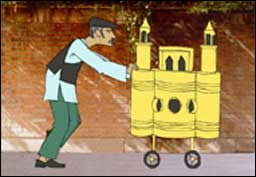
شهر شهرِ فرنگ ِ خوب تماشا کن 0059
Regardez notre ville! Notre ville est la belle ville de France
مقاله 803
در دهه ۱۹۴۰، تصور عمومی از شاه بهعنوان دستنشانده غرب در ایران، به دلیل نفت اجتنابناپذیر بود. در حالی که بیشتر مسائل سیاسی قابل بحث بودند، شرایط امتیاز نفت آنچنان به نفع بریتانیا نامتعادل بود که همه بدون نیاز به داشتن قدرت تحلیل علمی در مورد مسئله نفت، تنها بر اساس نام و شهرت ملی شدن نفت، پشت سر مصدق متحد شدند و این موضوع کاملاً قابل درک است.
بریتانیا نیز در ایجاد این فضا مقصر بود، زیرا برای سالها تنها در جهت حداکثرسازی سود خود از نفت عمل کرد، بدون اینکه قدرت واکنش مردم را در نظر بگیرد. انگلستان تنها زمانی پیشنهاد توزیع عادلانهتری از نفت را ارائه داد که دریافت نمیتواند موقعیت خود را حفظ کند؛ زمانی که اصل عدالت حکم میکرد ایران نمیتواند آن را بپذیرد، و بنابراین تشدید اختلاف اجتنابناپذیر شد، و این در حالی بود که از دید ایران، مانند موشی بود که در برابر شیری قیام کرده است، و از این منظر هیچ شکی وجود نداشت که ایران در این جنگ شکست خواهد خورد.
در واقع، درگیری ایران با انگلستان از امضای قرارداد اولیه نفت با دارسی آغاز شد، هرچند که در آن زمان هنوز هیچ نفتی کشف نشده بود، و بنابراین میتوان گفت که شرایط این قرارداد نه عادلانه بود و نه غیرعادلانه. اما نحوه انعقاد قرارداد، نقش کتابچیخان و رشوه دادن امینالسلطان، فساد نهادینهشده در سلسله قاجار، و آسیبی که از همان ابتدا به ملت ایران وارد شد، باعث شد که ایرانیان از بازی شرمآور و فاسد امضای قرارداد دارسی متنفر شوند و بذر یک حرکت کاشته شد؛ نتیجه آن انقلاب مشروطه ایران بود که نفرت مردم ایران از قرارداد دارسی را با گنجاندن اصلی که قوه مجریه را از امضای قرارداد با خارجیان یا هر ایرانی در مورد ذخایر ملی، از جمله نفت، منع میکرد، بهصورت مکتوب و عمومی ثبت کرد.
متأسفانه، این قانون اساسی، ۳۰ سال بعد، به دلیل ناآگاهی مردم و فساد شاهی که از مظفرالدین شاه فاسدتر و از احمدشاه وابستهتر به قدرتهای خارجی همچون انگلستان، ایالات متحده و آلمان بود، نتوانست مؤثر واقع شود. بنابراین، دیکتاتور، با قدرت تهوعآورش، آن قرارداد آزاردهنده را برای ۳۰ سال دیگر تمدید کرد، در حالی که در سالهای ۱۹۰۱ تا ۱۹۳۴، وضعیت جهان بهشدت تغییر کرده بود؛ روسیه به اتحاد جماهیر شوروی تبدیل شده بود و مصرف نفت در جهان به دلیل رشد صنعت خودرو افزایش زیادی یافته بود. در این زمان، انگلستان تقریباً ۸۵ درصد از سود حاصل از انحصار نفت خود در ایران را دریافت میکرد، و ایران تنها ۱۵ درصد از سود را میگرفت، که آشکارا ناعادلانه بود. ایران درخواست مذاکره کرد، اما چون تحت حکومت یک دیکتاتور بیسواد بود، دوباره شکست خورد و بذر آشوب تا ۲۰ سال بعد که دوباره بهصورت زخمی چرکین سرباز کرد، باقی ماند.
بدین ترتیب، در دوره ملی شدن نفت، یک جنبش سیاسی متمرکز بر قرارداد ناعادلانه نفت، تحت رهبری مصدق، با هدف اصلاح قرارداد نفتی موجود شکل گرفت. این حرکت اثرات فوقالعادهای برجای گذاشت که در ابتدا از چشم همه پنهان بود و نه ایران و نه بریتانیا پیامدهای آن را درک کرده بودند، و در این میان، مصدق بدترین عملکرد را داشت. در واقع، مصدق نه از وضعیت جهان آگاهی داشت، نه از وضعیت نفت، نه از فساد میان همکاران و متحدانش در جبهه ملی، و نه از شدت فساد و خیانت در میان اعضای خانوادهاش. اگر کسی بتواند ثابت کند که او آگاه بود، میتواند بگوید که برخلاف آنچه مردم درباره او فکر میکنند و باور دارند، او باید میدانست که در این قرارداد خیانت بزرگی به مردم ایران کرده است.
پیش از آغاز ملی شدن نفت، در مذاکرات با رزمآرا، بریتانیا با پیشنهاد تقسیم ۵۰-۵۰ سود نفت واکنش نشان داد. این پیشنهاد قابل قبول بود. اما مصدق، که اطلاعاتش حتی کمتر از مظفر بقایی بود—که بهطور احمقانهای ادعا میکرد که روز بعد از اینکه بریتانیا نفت ایران را از دست بدهد، خریداران نفت ایران در خلیج فارس صف خواهند کشید تا نفت از ایران بخرند—دچار این توهم بود که میتوان نتیجه بهتری بهدست آورد. او آشکارا نیت بدی نسبت به انگلستان داشت و تصمیمی برای مذاکره با بریتانیا نگرفت. برخلاف آنچه بارها در انظار عمومی گفته بود [“اگر این را بپذیرم، دیگران خواهند گفت که او نفت را از انگلیس گرفت و به آمریکا داد”]، او شدیداً میخواست نفت را به آمریکاییها بدهد و بر این اساس، هر پیشنهادی را که از سوی انگلیسیها مطرح میشد و تا حدی برای هر دو طرف سودمند بود، رد کرد.
نتیجه این شد که وقتی بریتانیا ناامید شد، برخلاف میل خود—که هرگز خواهان افزایش حضور آمریکاییها در ایران و خاورمیانه نبود—دست یاری به سمت ایالات متحده دراز کرد و از آنها خواست که دست در دست هم، مصدق را از صحنه حذف کنند.
با در نظر گرفتن ساختار سیاسی ضعیف ایران، بریتانیا و آمریکا به این نتیجه واضح رسیدند که هزینه فوری تغییر رژیم بسیار کمتر از سود بازگشت به یک قرارداد نفتی با مصدق است، و هزینه این تصمیم این بود که ملاحظات اخلاقی تا آن اندازه اهمیت پیدا کند که ارزش نفت نباید بر آن غلبه کند.
پس از اتخاذ این تصمیم، پول کافی سرمایهگذاری شد تا برخی افراد خریداری شوند و تبلیغات لازم برای تغییر رفتار دیگران انجام گیرد. تبلیغات توانست باورهای مردم را تغییر دهد و دولت مصدق را به سقوط بکشاند.
پس از کودتا، شاه که با آمریکا همکاری کرده بود، به قدرت بازگشت. او برای غرب قرارداد نفتی بسیار بهتری مذاکره کرد و در مقابل، اجازه یافت ۲۵ سال حکومت سرکوبگرانه داشته باشد و ثروت ملی را به جیب خود و اطرافیانش سرازیر کند.
Dans les années 1940, la perception générale du Shah comme un pantin de l’Occident en Iran était inévitable à cause du pétrole. Alors que la plupart des questions politiques étaient discutables, les conditions de la concession pétrolière étaient tellement déséquilibrées en faveur de la Grande-Bretagne que tout le monde s’est uni derrière Mossadegh sans avoir besoin d’une analyse scientifique de la question pétrolière, uniquement sur la base du nom et de la renommée de la nationalisation du pétrole, et cette réalité est parfaitement compréhensible.
La Grande-Bretagne était également responsable de la création de cette atmosphère, car elle a agi pendant des années uniquement pour maximiser ses profits pétroliers sans tenir compte de la force de réaction du peuple. L’Angleterre n’a proposé une répartition plus équitable du pétrole que lorsqu’elle a compris qu’elle ne pouvait pas maintenir sa position ; lorsque le principe de justice dictait que l’Iran ne pouvait pas l’accepter, l’intensification du conflit est donc devenue inévitable. Du point de vue iranien, c’était comme une souris qui se dressait contre un lion, et sous cet angle, il ne faisait aucun doute que l’Iran serait vaincu dans cette guerre.
En réalité, le conflit de l’Iran avec l’Angleterre a commencé dès la signature du premier contrat pétrolier avec D’Arcy, bien qu’aucun pétrole n’ait encore été découvert à cette époque, et l’on pourrait donc dire que les conditions de cet accord n’étaient ni justes ni injustes. Cependant, la manière dont le contrat a été conclu, le rôle de Ketabchi Khan, la corruption d’Amin al-Soltan, la corruption institutionnalisée sous la dynastie Qajar et les dommages subis par la nation iranienne dès le début ont conduit les Iraniens à mépriser le jeu honteux et corrompu de la signature du contrat D’Arcy. Une graine de mouvement a ainsi été semée, aboutissant à la Révolution constitutionnelle iranienne, qui a officialisé et rendu publique la haine du peuple iranien pour l’accord D’Arcy en intégrant un principe interdisant à l’exécutif de conclure un contrat avec des étrangers ou même avec un Iranien concernant les ressources nationales, y compris le pétrole.
Malheureusement, cette constitution, 30 ans plus tard, en raison de l’ignorance du peuple et de la corruption d’un Shah plus corrompu que Mozaffar al-Din Shah et plus dépendant des puissances étrangères – notamment de l’Angleterre, des États-Unis et de l’Allemagne – qu’Ahmad Shah, n’a pas pu être efficace. Ainsi, le Shah dictateur, avec son pouvoir écœurant, a prolongé cet accord accablant pour 30 années supplémentaires, alors qu’entre 1901 et 1934, la situation du monde avait radicalement changé : la Russie était devenue l’Union soviétique, et la consommation mondiale de pétrole avait considérablement augmenté en raison de la croissance de l’industrie automobile. À cette époque, l’Angleterre recevait environ 85 % des bénéfices de son monopole pétrolier en Iran, tandis que l’Iran ne percevait que 15 % des profits, ce qui était manifestement injuste. L’Iran a demandé des négociations, mais, étant gouverné par un dictateur ignorant, il a de nouveau échoué, et les germes du chaos ont perduré jusqu’à ce qu’ils réapparaissent 20 ans plus tard sous la forme d’une plaie purulente.
Ainsi, durant la période de nationalisation du pétrole, un mouvement politique axé sur l’injustice de l’accord pétrolier s’est formé sous la direction de Mossadegh, avec pour objectif de réformer le contrat pétrolier en vigueur. Ce mouvement a eu des effets extraordinaires qui étaient, au départ, invisibles pour tous, et ni l’Iran ni la Grande-Bretagne n’en comprenaient les conséquences. Entre-temps, Mossadegh a agi de la pire manière possible. En réalité, Mossadegh n’avait ni connaissance de la situation mondiale ni conscience de l’état du pétrole, de la corruption de ses collègues et alliés au sein du Front national, ni même de l’ampleur de la corruption et de la trahison au sein de sa propre famille. Si quelqu’un peut prouver qu’il était au courant, alors on pourrait dire que, contrairement à ce que les gens pensent et croient de lui, il devait savoir qu’il avait commis une grande trahison envers le peuple iranien dans cet accord.
Avant le début de la nationalisation du pétrole, lors des négociations avec Razmara, la Grande-Bretagne avait proposé un partage des bénéfices à 50-50. Cette offre était acceptable. Mais Mossadegh, dont les connaissances étaient encore plus limitées que celles de Mozaffar Baqaei – qui affirmait naïvement que dès le lendemain de la perte du pétrole iranien par les Britanniques, les acheteurs de pétrole iranien feraient la queue dans le golfe Persique pour en acheter –, s’illusionnait en croyant qu’un meilleur résultat pouvait être obtenu. Il nourrissait clairement une hostilité envers l’Angleterre et refusait toute négociation avec elle. Contrairement à ce qu’il avait déclaré à plusieurs reprises en public [« Si j’accepte cela, d’autres diront qu’il a pris le pétrole aux Anglais pour le donner aux Américains »], il voulait ardemment céder le pétrole aux Américains et, sur cette base, il rejeta toute proposition britannique qui aurait pu être, dans une certaine mesure, bénéfique pour les deux parties.
Il en résulta que, lorsque l’Angleterre perdit tout espoir, elle se résolut, contre son propre gré – car elle ne souhaitait jamais davantage de présence américaine en Iran et au Moyen-Orient –, à tendre la main aux États-Unis et leur demanda de coopérer pour évincer Mossadegh.
Compte tenu de la faiblesse structurelle du système politique iranien, la Grande-Bretagne et les États-Unis parvinrent à une conclusion claire : le coût immédiat du changement de régime était bien inférieur aux bénéfices d’un retour à un accord pétrolier avec Mossadegh. Et le prix à payer pour cette décision était que les considérations morales devaient être surévaluées au point que la valeur du pétrole ne devait pas les surpasser.
Une fois cette décision prise, suffisamment d’argent fut investi pour acheter certaines personnes et mener les campagnes de propagande nécessaires afin de modifier le comportement des autres. La propagande parvint à changer les croyances du peuple et à précipiter la chute du gouvernement Mossadegh.
Après le coup d’État, le Shah, qui avait collaboré avec les États-Unis, revint au pouvoir. Il négocia un accord pétrolier bien plus avantageux pour l’Occident et, en contrepartie, il fut autorisé à régner en tyran pendant 25 ans et à détourner les fonds nationaux pour les verser dans ses propres poches et celles de ses proches.
In the 1940s, the common perception of the Shah as a puppet of the West in Iran was inevitable because of oil. While most of the political issues are debatable, the conditions of the oil concession were so skewed in favor of Britain that every one united behind Mossadiq without needing to have the power of scientific analysis of the oil issue, only based on the name and fame of the nationalization of oil, and this issue is well understood.
Britain was also to blame for creating this atmosphere because for many years they acted solely to maximize their profits from oil without considering the strength of the people’s reaction. England only offered a fairer distribution of oil when it realized it could not maintain its position; When the principle of fairness dictated that Iran could not accept it, and therefore the escalation of the dispute became unavoidable, and this was while in Iran’s view, it was like a mouse that rose up against a lion, and from this point of view, there was not any doubt that Iran will be defeated in this war.
In fact, Iran’s conflict with England started with the signing of the initial oil contract with D’Arcy, although no oil had been discovered at that time, and therefore it could be said that the terms of the deal were neither fair nor unfair. However, the way the contract was concluded the role of the Ketabchi Khan and the bribery of Amin ul-Sultan the institutionalized corruption in the Qajar dynasty, and the damage that was caused to the Iranian nation from the very beginning made Iranians disgusted by the shameful and corrupt game of signing the Darcy contract and the seed of a movement that was planted; the result was the Iranian constitution revolution which made the Iranian people’s hatred of the Darcy Agreement written and public by including the principle that the executive branch does not have the right to conclude a contract with a foreigner or any Iranian subject regarding national reserves, including oil.
Unfortunately, this constitution 30 years later, due to the ignorance of the people and the corruption of Shah, who was more corrupt than Muzaffar ed-Din Shah and more dependent on foreign powers, England, the United States, and Germany than Ahmad Shah, could not be effective. So, the dictator Shah, with his nauseating power, extended that annoying contract for another 30 years, while during the years 1901 to 1934, the situation of the whole world had changed drastically; Russia had become the Soviet Union, and oil consumption in the world had greatly increased due to the growth of the automobile industry. At this time, England was taking nearly 85% of the profit from its oil monopoly in Iran, and Iran was taking 15% of the profit, which was obviously unfair. Iran asked for negotiations, but because Iran was ruled by an illiterate dictator, Iran was defeated again and the seeds of chaos remained until 20 years later, when it re-emerged as a festering wound.
Thus, during the period of oil nationalization, a political movement centered on the unfair oil deal was formed under the leadership of Mossadiq with the aim of reforming the existing oil contract. This movement left extraordinary effects that were hidden from everyone at the beginning and neither Iran nor Britain had understood its repercussions, and in the meantime, Mossadiq acted the worst of all. In fact, Mossadiq had no knowledge of the state of the world, nor of the state of oil, the corruption among his colleagues and allies in the National Front, or the severity of corruption and betrayal among his family members. If someone can prove that he knew, he can say that contrary to what people think and believe about him, he must have known that he committed a great betrayal against the people of Iran in this deal. Before the start of the nationalization of oil, in its negotiations with Razmara, Britain reacted by proposing a 50-50 split of the profit. This was acceptable. But Mossadiq, whose information was even less than that of Muzaffar Baqaei, who foolishly claimed that the day after the British ran out of Iranian oil, the buyers of Iranian oil would line up in the Persian Gulf to buy oil from Iran, had the illusion that it was possible to A better result was obtained. He clearly had bad intentions towards England and did not decide to negotiate with England. Contrary to what he said many times in public [if I accept this, others will say that he took the oil from England and gave it to America], he strongly wanted to give the oil to the Americans and on this basis, he rejected any proposal from the British that was beneficial to both sides to some extent. The result was that when England was disappointed, against its own will, which never wanted more American presence in Iran and the Middle East, it reached out to the United States and demanded that they remove Mossadiq from the scene hand in hand.
Considering Iran’s weak political structure, Britain and America came to a clear conclusion that the immediate monetary cost of regime change is much lower than the benefit of returning to an oil agreement with Mossadiq, and the cost is that moral considerations were valued so much that the value of oil should not be overcome.
Once this decision was made, enough money was invested to buy some people and do the necessary propaganda to change the behavior of others. Propaganda was able to change people’s beliefs and bring Mossadiq’s government to the bottom.
After the coup, the Shah, who cooperated with America, returned to power. He negotiated a much better oil deal for the West, and in return, he was allowed 25 years of oppressive rule and to robe national funds pouring into his and his followers’ pockets.
Source: Ahmad Shahvary. Open File:19th August1953 United States and Britain Coup d’état in Iran
 ADABSARA